

The approach lights masked the wind shear and stole their seconds
Notas del episodio
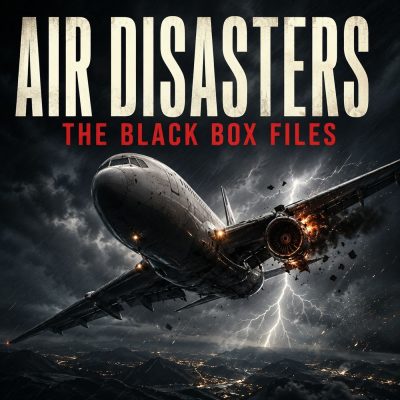
A nine-month-old DC‑10 descends low toward Miami's runway, its crew unaware that approach lights and unseen wind shear have stolen their seconds.
The approach lights masked the wind shear and stole their seconds
In this episode, we follow the final minutes of a brand‑new Douglas DC‑10 on approach to Miami International and the sequence of decisions and missing information that shaped the descent. The story focuses on what the crew knew (and what they were never told) as the aircraft crossed the approach lights and encountered a sudden atmospheric instability - and asks whether systems or experience failed to buy them enough time.
Aircraft: Douglas DC‑10 (N310EA)
Date: December 20, 1972
Location: Miami International Airport, Runway 27 left approach
People: Captain James Sutor and three‑man cockpit crew (combined ~85,000 flight hours)
Passengers on board: 168
- The plane had been delivered in March 1972 and had accumulated 2,016 flight hours by December.
- Approach lights were mounted on 32‑foot concrete and steel piers extending into shallow water just short of the runway threshold.
- Instrument landing system and radio communications were functioning, but crews lacked accurate information about low‑level wind shear.
- The descent rate increased through an invisible instability that the pilots did not recognize in time given available information.
- Investigators concluded the trap was systemic - experienced crew competence could not compensate for critical information that was never provided.
Tired of ads? Listen to this podcast and 200+ more ad-free on OBOMEDIA.
Try it free for 7 days, cancel anytime: https://obomedia.com/en/gratis?ref=desc-7317291
© 2026 Created by an independent creator of the OBOMEDIA Network. All rights reserved.
This episode and its content (audio, text, and related materials) are the property of their respective creator, who is solely responsible for them, and are distributed by the OBOMEDIA Network on platforms such as Apple Podcasts, Spotify, Amazon Music, and Pocket Casts. Reproduction, distribution, editing, or commercial use, in whole or in part, without the creator's prior written permission is prohibited. For permissions, licensing, and business inquiries: [email protected].