

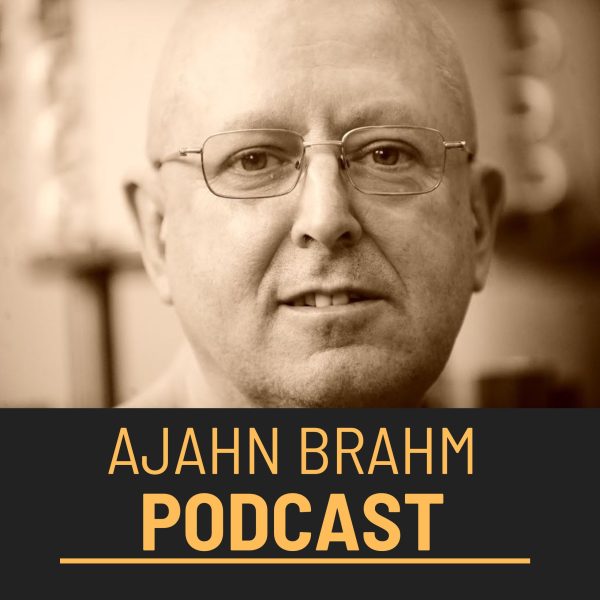
Ajahn Brahm Podcast
- Episodios
- 100
- Se publica
- cada semana
- Último episodio
- 8 Nov 2026
Sobre el podcast
Remastered classic teachings of the greatest meditation master in the modern Western world - Ajahn Brahm!
Episodios 100
Guided Meditation with Ajahn Brahm (20101127)
Ajahn Brahm explains that meditation posture has no rigid formula: sit comfortably with a reasonably straight back, using mindfulness and compassion to notice and adjust discomfort rather than forcing the body …
Notas del episodio
Ajahn Brahm explains that meditation posture has no rigid formula: sit comfortably with a reasonably straight back, using mindfulness and compassion to notice and adjust discomfort rather than forcing the body to remain still. These same qualities help quiet the mind, since kindness toward the present moment creates contentment and reduces restlessness, craving, thoughts, and escape. Regularly recognizing the peace and freedom felt at the end of meditation reinforces the mind’s inclination toward deeper stillness.
---
This guided meditation by Ajahn Brahm was originally recorded in 27th November 2010. It includes a talk about some aspect of meditation followed by a 45 minute guided meditation.
This guided meditation has been remastered and published by the Everyday Dhamma Network, and will be of interest to people who have started meditation but are seeking guidance to take it deeper.
These talks by Ajahn Brahm have been recorded and made available for free distribution by the Buddhist Society of Western Australia under the Creative Commons licence. You can support the Buddhist Society of Western Australia by pledging your support via their Ko-fi page.
How To Live in The Present Moment
This talk explores how to live in the present moment and develop equanimity by releasing attachment to both past suffering and future anxiety. Ajahn Brahm introduces the Buddhist approach of “acknowledge …
Notas del episodio
This talk explores how to live in the present moment and develop equanimity by releasing attachment to both past suffering and future anxiety. Ajahn Brahm introduces the Buddhist approach of “acknowledge, forgive, and learn,” emphasizing self-forgiveness, letting go of resentment and guilt, and refusing to let others control one’s happiness. Through meditation, mindfulness, and simple practices such as eating one spoonful at a time or treating traffic lights as opportunities to relax, people can become more present.
—
This dhamma talk was originally recorded in 29th May 2026. It has now been remastered and published by the Everyday Dhamma Network, and will be of interest to his many fans.
These talks by Ajahn Brahm have been recorded and made available for free distribution by the Buddhist Society of Western Australia under the Creative Commons licence. You can support the Buddhist Society of Western Australia by pledging your support via their Ko-fi page.
Emptiness Is Good
The talk explores emptiness as a Buddhist path to freedom rather than a negative state of loss. By releasing possessions, attachments, past memories, future worries, fixed ideas, and the illusion of a …
Notas del episodio
The talk explores emptiness as a Buddhist path to freedom rather than a negative state of loss. By releasing possessions, attachments, past memories, future worries, fixed ideas, and the illusion of a controlling self, people can experience greater peace, clarity, receptivity, and happiness in the present moment. Emptiness is ultimately portrayed as the absence of barriers between oneself and life, symbolized by a driverless bus whose empty seat reveals the nature of non-self.
—
This dhamma talk was originally recorded in 15th May 2009. It has now been remastered and published by the Everyday Dhamma Network, and will be of interest to his many fans.
These talks by Ajahn Brahm have been recorded and made available for free distribution by the Buddhist Society of Western Australia under the Creative Commons licence. You can support the Buddhist Society of Western Australia by pledging your support via their Ko-fi page.
Guided Meditation with Ajahn Brahm [20101023]
This guided meditation by Ajahn Brahm was originally recorded in 23rd October 2010. It includes a talk about some aspect of meditation followed by a 45 minute guided meditation. This guided meditation has been …
Notas del episodio
This guided meditation by Ajahn Brahm was originally recorded in 23rd October 2010. It includes a talk about some aspect of meditation followed by a 45 minute guided meditation.
This guided meditation has been remastered and published by the Everyday Dhamma Network, and will be of interest to people who have started meditation but are seeking guidance to take it deeper.
These talks by Ajahn Brahm have been recorded and made available for free distribution by the Buddhist Society of Western Australia under the Creative Commons licence. You can support the Buddhist Society of Western Australia by pledging your support via their Ko-fi page.
The Power of Goodness
Ajahn Brahm reflects on Vesak celebrations in Thailand and argues that goodness, ethical conduct, generosity, forgiveness, and mindfulness are powerful forces capable of addressing individual, political …
Notas del episodio
Ajahn Brahm reflects on Vesak celebrations in Thailand and argues that goodness, ethical conduct, generosity, forgiveness, and mindfulness are powerful forces capable of addressing individual, political, economic, and global problems. He emphasizes that anger, greed, revenge, and anxiety harm both individuals and society, while self-awareness and compassion can dissolve conflicts and create peace. The talk concludes by urging people to strengthen morality through everyday honesty, fidelity, simplicity, and kindness, prioritizing shared well-being over personal desires.
—
This dhamma talk was originally recorded in 8th May 2009. It has now been remastered and published by the Everyday Dhamma Network, and will be of interest to his many fans.
These talks by Ajahn Brahm have been recorded and made available for free distribution by the Buddhist Society of Western Australia under the Creative Commons licence. You can support the Buddhist Society of Western Australia by pledging your support via their Ko-fi page.
Does Life Suck?
Ajahn Brahm considers the question: Does life suck? — This dhamma talk was originally recorded in 1st May 2009. It has now been remastered and published by the Everyday Dhamma Network, and will be of interest …
Notas del episodio
Ajahn Brahm considers the question: Does life suck?
—
This dhamma talk was originally recorded in 1st May 2009. It has now been remastered and published by the Everyday Dhamma Network, and will be of interest to his many fans.
These talks by Ajahn Brahm have been recorded and made available for free distribution by the Buddhist Society of Western Australia under the Creative Commons licence. You can support the Buddhist Society of Western Australia by pledging your support via their Ko-fi page.
Guided Meditation with Ajahn Brahm (20100522)
This guided meditation by Ajahn Brahm was originally recorded in 22nd May 2010. It includes a talk about some aspect of meditation followed by a 45 minute guided meditation. This guided meditation has been …
Notas del episodio
This guided meditation by Ajahn Brahm was originally recorded in 22nd May 2010. It includes a talk about some aspect of meditation followed by a 45 minute guided meditation.
This guided meditation has been remastered and published by the Everyday Dhamma Network, and will be of interest to people who have started meditation but are seeking guidance to take it deeper.
These talks by Ajahn Brahm have been recorded and made available for free distribution by the Buddhist Society of Western Australia under the Creative Commons licence. You can support the Buddhist Society of Western Australia by pledging your support via their Ko-fi page.
The Process of Rebirth
Ajahn Brahm explains rebirth through the metaphor of mangoes: each life is different, yet connected by cause and effect, with deep character traits, habits, and spiritual qualities carrying forward rather than …
Notas del episodio
Ajahn Brahm explains rebirth through the metaphor of mangoes: each life is different, yet connected by cause and effect, with deep character traits, habits, and spiritual qualities carrying forward rather than memories or physical abilities. Kindness, generosity, forgiveness, peace, and wisdom are developed through repeated practice and bring happiness now while shaping future lives, whereas anger, attachment, and negativity can perpetuate suffering. He emphasizes that our environment and choices condition the mind, encouraging listeners to cultivate positive influences.
—
This dhamma talk was originally recorded in 3rd April 2009. It has now been remastered and published by the Everyday Dhamma Network, and will be of interest to his many fans.
These talks by Ajahn Brahm have been recorded and made available for free distribution by the Buddhist Society of Western Australia under the Creative Commons licence. You can support the Buddhist Society of Western Australia by pledging your support via their Ko-fi page.
Is Buddhism a Religion?
Ajahn Brahm skillfully answers the question posed by a member of the audience: Is Buddhism a Religion? — This dhamma talk was originally recorded in 27th March 2009. It has now been remastered and published by …
Notas del episodio
Ajahn Brahm skillfully answers the question posed by a member of the audience: Is Buddhism a Religion?
—
This dhamma talk was originally recorded in 27th March 2009. It has now been remastered and published by the Everyday Dhamma Network, and will be of interest to his many fans.
These talks by Ajahn Brahm have been recorded and made available for free distribution by the Buddhist Society of Western Australia under the Creative Commons licence. You can support the Buddhist Society of Western Australia by pledging your support via their Ko-fi page.
Rituals - How and Why?
In this talk, Ajahn Brahm explains the significance of the rituals in Buddhism, such as bowing and chanting. He describes why these rituals are important and what they represent, such as virtue, peace …
Notas del episodio
In this talk, Ajahn Brahm explains the significance of the rituals in Buddhism, such as bowing and chanting. He describes why these rituals are important and what they represent, such as virtue, peace, compassion, and wisdom. He also discusses how these rituals can help individuals to cultivate these qualities in their own lives. This talk is about the traditions and rituals of Buddhism, including bowing to statues of the Buddha and the practice of chanting. Ajahn Brahm explains the symbolism behind these practices and offers examples of how they can inspire and bring peace and compassion to our lives.
—
This dhamma talk was originally recorded in 20th March 2009. It has now been remastered and published by the Everyday Dhamma Network, and will be of interest to his many fans.
These talks by Ajahn Brahm have been recorded and made available for free distribution by the Buddhist Society of Western Australia under the Creative Commons licence. You can support the Buddhist Society of Western Australia by pledging your support via their Ko-fi page.
Guided Meditation with Ajahn Brahm (20100313)
This guided meditation by Ajahn Brahm was originally recorded in 13th March 2010. It includes a talk about some aspect of meditation followed by a 45 minute guided meditation. This guided meditation has been …
Notas del episodio
This guided meditation by Ajahn Brahm was originally recorded in 13th March 2010. It includes a talk about some aspect of meditation followed by a 45 minute guided meditation.
This guided meditation has been remastered and published by the Everyday Dhamma Network, and will be of interest to people who have started meditation but are seeking guidance to take it deeper.
These talks by Ajahn Brahm have been recorded and made available for free distribution by the Buddhist Society of Western Australia under the Creative Commons licence. You can support the Buddhist Society of Western Australia by pledging your support via their Ko-fi page.
Dreams and Other Things In Life
Dreams and their significance in Buddhism. Ajahn Brahm shares some interesting stories of people having dreams that came true. However, he also mentions that dreams should not be relied upon as they can …
Notas del episodio
Dreams and their significance in Buddhism. Ajahn Brahm shares some interesting stories of people having dreams that came true. However, he also mentions that dreams should not be relied upon as they can sometimes be misleading. He gives examples of how some people misinterpreted their dreams and ended up losing money. The talk also mentions some cultural beliefs, such as visiting a lucky temple before going to the racetrack in Singapore. Ultimately, Ajahn Brahm suggests that while dreams can be intriguing, they should not be taken and being a reliable truth.
—
This dhamma talk was originally recorded in 13th March 2009. It has now been remastered and published by the Everyday Dhamma Network, and will be of interest to his many fans.
These talks by Ajahn Brahm have been recorded and made available for free distribution by the Buddhist Society of Western Australia under the Creative Commons licence. You can support the Buddhist Society of Western Australia by pledging your support via their Ko-fi page.
How To Be A High Flyer
In this talk, Ajahn Brahm discusses how he copes with being a "high flyer," or someone who travels frequently for work. He talks about how he stays grounded and avoids feeling guilty for the environmental …
Notas del episodio
In this talk, Ajahn Brahm discusses how he copes with being a "high flyer," or someone who travels frequently for work. He talks about how he stays grounded and avoids feeling guilty for the environmental impact of flying. He also shares a story about working hard when building a monastery and receiving unexpected tasks which relate to the Buddhist principle of living in the present moment. Ajahn Brahm emphasizes the importance of having faith and not worrying about the future.
—
This dhamma talk was originally recorded in 20th February 2009. It has now been remastered and published by the Everyday Dhamma Network, and will be of interest to his many fans.
These talks by Ajahn Brahm have been recorded and made available for free distribution by the Buddhist Society of Western Australia under the Creative Commons licence. You can support the Buddhist Society of Western Australia by pledging your support via their Ko-fi page.
Guided Meditation (20100306)
This guided meditation by Ajahn Brahm was originally recorded in 6th March 2010. It includes a talk about some aspect of meditation followed by a 45 minute guided meditation. This guided meditation has been …
Notas del episodio
This guided meditation by Ajahn Brahm was originally recorded in 6th March 2010. It includes a talk about some aspect of meditation followed by a 45 minute guided meditation.
This guided meditation has been remastered and published by the Everyday Dhamma Network, and will be of interest to people who have started meditation but are seeking guidance to take it deeper.
These talks by Ajahn Brahm have been recorded and made available for free distribution by the Buddhist Society of Western Australia under the Creative Commons licence. You can support the Buddhist Society of Western Australia by pledging your support via their Ko-fi page.
Loving Life, Loving Kindness
The purpose of the talk is to explain why Buddhism doesn't propagate superstitions, especially in regards to the belief that wearing certain objects or praying to a deity or higher power can bring happiness or …
Notas del episodio
The purpose of the talk is to explain why Buddhism doesn't propagate superstitions, especially in regards to the belief that wearing certain objects or praying to a deity or higher power can bring happiness or protect someone from harm. Ajahn Brahm shares examples of superstitious beliefs and the dangers of relying on them, and emphasizes the importance of taking responsibility for one's own actions and happiness. This dhamma talk addresses the topic of superstition and its dangers, as well as the Buddhist concept of karma and the role of loving kindness in overcoming negative emotions and judgments. Ajahn Brahm emphasizes the importance of taking responsibility for one's own life and understanding the impermanence of the world. He also discusses the need to let go of anger, guilt, and revenge in order to move forward and create positivity in the present and future. This talk discusses the power of loving kindness and how it can change a person and the world.
—
This dhamma talk was originally recorded in 20th February 2009. It has now been remastered and published by the Everyday Dhamma Network, and will be of interest to his many fans.
These talks by Ajahn Brahm have been recorded and made available for free distribution by the Buddhist Society of Western Australia under the Creative Commons licence. You can support the Buddhist Society of Western Australia by pledging your support via their Ko-fi page.
Ajahn Brahm Guided Meditation (20100227)
This guided meditation by Ajahn Brahm was originally recorded in 27th February 2010. It includes a talk about some aspect of meditation followed by a 45 minute guided meditation. This guided meditation has been …
Notas del episodio
This guided meditation by Ajahn Brahm was originally recorded in 27th February 2010. It includes a talk about some aspect of meditation followed by a 45 minute guided meditation.
This guided meditation has been remastered and published by the Everyday Dhamma Network, and will be of interest to people who have started meditation but are seeking guidance to take it deeper.
These talks by Ajahn Brahm have been recorded and made available for free distribution by the Buddhist Society of Western Australia under the Creative Commons licence. You can support the Buddhist Society of Western Australia by pledging your support via their Ko-fi page.
Community and Tragedy
In this talk, Ajahn Brahm discusses taking responsibility in life and our beliefs about creation and life after death. He mentions his involvement with the Gravity Center and how Buddhism and science can …
Notas del episodio
In this talk, Ajahn Brahm discusses taking responsibility in life and our beliefs about creation and life after death. He mentions his involvement with the Gravity Center and how Buddhism and science can coexist. He also touches on the importance of using wisdom and not relying solely on prayer to deal with difficult situations. He shares a story about a storm in a forest and relates it to the unpredictability of life and accepting the laws of nature. He also shares a personal experience of surviving a bushfire. Ajahn Brahm talks about staying calm during the bushfires, and the power of social and emotional resilience in helping people recover from tragedies.
—
This dhamma talk was originally recorded in 13th February 2009. It has now been remastered and published by the Everyday Dhamma Network, and will be of interest to his many fans.
These talks by Ajahn Brahm have been recorded and made available for free distribution by the Buddhist Society of Western Australia under the Creative Commons licence. You can support the Buddhist Society of Western Australia by pledging your support via their Ko-fi page.
The Ten Ox-herder Pictures
Ajahn Brahm talks about the celebration of Chinese New Year and other cultural festivities. He then introduces the topic of the Ox herding pictures, a pictorial representation of the meaning of life. He …
Notas del episodio
Ajahn Brahm talks about the celebration of Chinese New Year and other cultural festivities. He then introduces the topic of the Ox herding pictures, a pictorial representation of the meaning of life. He explains that the purpose of his talk is to share wisdom and empower the listener, rather than hold power over them. Ajahn Brahm then discuss the importance of understanding the mind, as mental pain can be more devastating than physical pain. The Ox herding pictures are used as a symbol. The mind can be understood by what it contains, just like how a garden is defined by its flowers and trees. The mind is not located in the body, as emotions like happiness, sadness, and love cannot be physically pointed to. The mind is the most important part of life, and it is like an emperor who is always covered in five garments, making it difficult to see who they really are. To understand the mind, we must take off these "clothes" and look within ourselves. Meditation is how we search for and find our mind. By detaching from our senses, we can come closer to our mind and understand it.
—
This dhamma talk was originally recorded in 6th February 2009. It has now been remastered and published by the Everyday Dhamma Network, and will be of interest to his many fans.
These talks by Ajahn Brahm have been recorded and made available for free distribution by the Buddhist Society of Western Australia under the Creative Commons licence. You can support the Buddhist Society of Western Australia by pledging your support via their Ko-fi page.
Guided Meditation with Ajahn Brahm (20100109)
This guided meditation by Ajahn Brahm was originally recorded in 9th January 2010. It includes a talk about some aspect of meditation followed by a 45 minute guided meditation. This guided meditation has been …
Notas del episodio
This guided meditation by Ajahn Brahm was originally recorded in 9th January 2010. It includes a talk about some aspect of meditation followed by a 45 minute guided meditation.
This guided meditation has been remastered and published by the Everyday Dhamma Network, and will be of interest to people who have started meditation but are seeking guidance to take it deeper.
These talks by Ajahn Brahm have been recorded and made available for free distribution by the Buddhist Society of Western Australia under the Creative Commons licence. You can support the Buddhist Society of Western Australia by pledging your support via their Ko-fi page.
Freeing Problems With Metta
Ajahn Brahm discusses the role of loving kindness and compassion in Buddhism and how we can use it in our lives. It emphasizes that compassion should not just be limited to people, but should also extend to all …
Notas del episodio
Ajahn Brahm discusses the role of loving kindness and compassion in Buddhism and how we can use it in our lives. It emphasizes that compassion should not just be limited to people, but should also extend to all beings and circumstances in life. Troublesome people or situations are not the problem, but our relationship to them is what needs to be addressed. The talk also suggests ways to turn difficult situations into advantages and addresses the benefits of downsizing and living in smaller homes. Ajahn Brahm talks about how important it is to have loving kindness in our relationships, especially in difficult situations. He gives examples of how compassion and wisdom can be used to deal with difficult people or situations, and how it can help us put boundaries in place without causing harm.
---
This dhamma talk was originally recorded in 30th January 2009. It has now been remastered and published by the Everyday Dhamma Network, and will be of interest to his many fans.
These talks by Ajahn Brahm have been recorded and made available for free distribution by the Buddhist Society of Western Australia under the Creative Commons licence. You can support the Buddhist Society of Western Australia by pledging your support via their Ko-fi page.
Guided Meditation with Ajahn Brahm (20100102)
This guided meditation by Ajahn Brahm was originally recorded in 2nd January 2010. It includes a talk about some aspect of meditation followed by a 45 minute guided meditation. This guided meditation has been …
Notas del episodio
This guided meditation by Ajahn Brahm was originally recorded in 2nd January 2010. It includes a talk about some aspect of meditation followed by a 45 minute guided meditation.
This guided meditation has been remastered and published by the Everyday Dhamma Network, and will be of interest to people who have started meditation but are seeking guidance to take it deeper.
These talks by Ajahn Brahm have been recorded and made available for free distribution by the Buddhist Society of Western Australia under the Creative Commons licence. You can support the Buddhist Society of Western Australia by pledging your support via their Ko-fi page.
The Meaning of Life: Peace of Mind
The topic is the meaning of life and how peace of mind is the ultimate goal. Ajahn Brahm talks about how we can find peace of mind in the imperfections of life, and not to wait for the perfect conditions to …
Notas del episodio
The topic is the meaning of life and how peace of mind is the ultimate goal. Ajahn Brahm talks about how we can find peace of mind in the imperfections of life, and not to wait for the perfect conditions to find it. The past cannot be changed, so it is important to make peace with it and not dwell on it. The speaker also uses a story to illustrate letting go of past mistakes and wrongs instead of trying to fix them. Buddhism teaches that forgiveness lets us let go of the past. We must also learn to forgive ourselves and move on from our own mistakes. In letting go of the past and practicing forgiveness, we can find peace of mind and cultivate compassion and wisdom.
This dhamma talk was originally recorded in 16th January 2009. It has now been remastered and published by the Everyday Dhamma Network, and will be of interest to his many fans.
These talks by Ajahn Brahm have been recorded and made available for free distribution by the Buddhist Society of Western Australia under the Creative Commons licence. You can support the Buddhist Society of Western Australia by pledging your support via their Ko-fi page.
Reincarnation
This talk is about the concept of reincarnation and how it has been researched and supported by evidence, such as the work of Professor Ian Stevenson on 20 cases suggestive of rebirth. Ajahn Brahm also shares a …
Notas del episodio
This talk is about the concept of reincarnation and how it has been researched and supported by evidence, such as the work of Professor Ian Stevenson on 20 cases suggestive of rebirth. Ajahn Brahm also shares a personal encounter with one of these cases and emphasizes that people do not gain anything by sharing their past life memories, but rather, they often face criticism and teasing. The idea of reincarnation has been around for centuries and is found in many cultures and beliefs, including Buddhism, ancient Greece, and early Christianity. Some people struggle to accept it because they find it hard to believe that there are more people alive now than ever before. However, this can be explained by the fact that not only humans are reincarnated, but also animals and other beings. The idea of speciesism, where humans think they are superior to other animals, can also be challenged. Basically, the theory of rebirth in Buddhism states that when a person dies, their desires and cravings continue to drive them forward into another life. This can be seen in the evolution of life and also in the example of a mango seed growing into a tree and producing a new mango. When a person dies, the chain of cause and effect continues, with certain qualities and tendencies carrying over into the new life. This idea is supported by the experiences of people who have had near-death experiences.
This dhamma talk was originally recorded in 9th January 2009. It has now been remastered and published by the Everyday Dhamma Network, and will be of interest to his many fans.
These talks by Ajahn Brahm have been recorded and made available for free distribution by the Buddhist Society of Western Australia under the Creative Commons licence. You can support the Buddhist Society of Western Australia by pledging your support via their Ko-fi page.
Guided Meditation with Ajahn Brahm (20091219)
This guided meditation by Ajahn Brahm was originally recorded in 19th December 2009. It includes a talk about some aspect of meditation followed by a 45 minute guided meditation. This guided meditation has been …
Notas del episodio
This guided meditation by Ajahn Brahm was originally recorded in 19th December 2009. It includes a talk about some aspect of meditation followed by a 45 minute guided meditation.
This guided meditation has been remastered and published by the Everyday Dhamma Network, and will be of interest to people who have started meditation but are seeking guidance to take it deeper.
These talks by Ajahn Brahm have been recorded and made available for free distribution by the Buddhist Society of Western Australia under the Creative Commons licence. You can support the Buddhist Society of Western Australia by pledging your support via their Ko-fi page.
Reasonable Resolutions
At the beginning of every new year, it is a common practice in Western culture to make resolutions and set goals for the upcoming year. As a Buddhist monk, Ajahn Brahm believes that it is important to set …
Notas del episodio
At the beginning of every new year, it is a common practice in Western culture to make resolutions and set goals for the upcoming year. As a Buddhist monk, Ajahn Brahm believes that it is important to set reasonable and useful goals, and to not aim too high in order to avoid disappointment and frustration. He also cautions against setting goals that are influenced by external societal pressures, such as becoming wealthy or famous. As a Buddhist, Ajahn Brahm’s New Year's resolution would be to focus on the true purpose and goal of my actions, rather than just trying to do more of something. For example, instead of saying I will meditate more, my goal would be to become more peaceful and kind. Similarly, instead of focusing on making more money, I will strive to enjoy and appreciate what I already have.
—
This dhamma talk was originally recorded in 2nd January 2009. It has now been remastered and published by the Everyday Dhamma Network, and will be of interest to his many fans.
These talks by Ajahn Brahm have been recorded and made available for free distribution by the Buddhist Society of Western Australia under the Creative Commons licence. You can support the Buddhist Society of Western Australia by pledging your support via their Ko-fi page.
Guided Meditation with Ajahn Brahm (20091215)
This guided meditation by Ajahn Brahm was originally recorded on 5th December 2009. It includes a talk about some aspect of meditation followed by a 45 minute guided meditation. This guided meditation has been …
Notas del episodio
This guided meditation by Ajahn Brahm was originally recorded on 5th December 2009. It includes a talk about some aspect of meditation followed by a 45 minute guided meditation.
This guided meditation has been remastered and published by the Everyday Dhamma Network, and will be of interest to people who have started meditation but are seeking guidance to take it deeper.
These talks by Ajahn Brahm have been recorded and made available for free distribution by the Buddhist Society of Western Australia under the Creative Commons licence. You can support the Buddhist Society of Western Australia by pledging your support via their Ko-fi page.
Investigate Your Way To Freedom
The ability to investigate is an integral part of Buddhism as it allows one to ask questions and dig deep to find the truth. Along with questioning, it is also important to gain personal experience through …
Notas del episodio
The ability to investigate is an integral part of Buddhism as it allows one to ask questions and dig deep to find the truth. Along with questioning, it is also important to gain personal experience through things like meditation retreats. Through experience and investigation, one can gain a deeper understanding of life and its workings. However, this opportunity to investigate and experience is not often available in everyday life, making places like retreat centers valuable for this purpose.- Ajahn Brahm explains what it means to investigate and why Buddhists do it.
—
This dhamma talk was originally recorded in 19th December 2008. It has now been remastered and published by the Everyday Dhamma Network, and will be of interest to his many fans.
These talks by Ajahn Brahm have been recorded and made available for free distribution by the Buddhist Society of Western Australia under the Creative Commons licence. You can support the Buddhist Society of Western Australia by pledging your support via their Ko-fi page.
Guided Meditation with Ajahn Brahm (20091030)
This guided meditation by Ajahn Brahm was originally recorded in 30th October 2009. It includes a talk about some aspect of meditation followed by a 45 minute guided meditation. This guided meditation has been …
Notas del episodio
This guided meditation by Ajahn Brahm was originally recorded in 30th October 2009. It includes a talk about some aspect of meditation followed by a 45 minute guided meditation.
This guided meditation has been remastered and published by the Everyday Dhamma Network, and will be of interest to people who have started meditation but are seeking guidance to take it deeper.
These talks by Ajahn Brahm have been recorded and made available for free distribution by the Buddhist Society of Western Australia under the Creative Commons licence. You can support the Buddhist Society of Western Australia by pledging your support via their Ko-fi page.
The Power of Silence
Ajahn Brahm gives a talk about the spiritual power of silence and how it can be a therapy to solve physical, mental, and social problems. He discusses how silence is hard to find in today's noisy society, but …
Notas del episodio
Ajahn Brahm gives a talk about the spiritual power of silence and how it can be a therapy to solve physical, mental, and social problems. He discusses how silence is hard to find in today's noisy society, but it's important to find a quiet place to relax and allow insight and wisdom to come forth. Ajahn Brahm shares stories of his own experiences with silence, and how it can be therapeutic and even healing. He also mentions a biochemist who researched the effects of meditation on the body and how our thoughts can impact our health. Silence is a powerful tool for healing and insight.
—
This dhamma talk was originally recorded in 12th December 2008. It has now been remastered and published by the Everyday Dhamma Network, and will be of interest to his many fans.
These talks by Ajahn Brahm have been recorded and made available for free distribution by the Buddhist Society of Western Australia under the Creative Commons licence. You can support the Buddhist Society of Western Australia by pledging your support via their Ko-fi page.
Guided Meditation with Ajahn Brahm (20080105)
This guided meditation by Ajahn Brahm was originally recorded in 5th January 2008. It includes a talk about some aspect of meditation followed by a 45 minute guided meditation. This guided meditation has been …
Notas del episodio
This guided meditation by Ajahn Brahm was originally recorded in 5th January 2008. It includes a talk about some aspect of meditation followed by a 45 minute guided meditation.
This guided meditation has been remastered and published by the Everyday Dhamma Network, and will be of interest to people who have started meditation but are seeking guidance to take it deeper.
These talks by Ajahn Brahm have been recorded and made available for free distribution by the Buddhist Society of Western Australia under the Creative Commons licence. You can support the Buddhist Society of Western Australia by pledging your support via their Ko-fi page.
Aquí están los 40 episodios más recientes de 100. Los anteriores están en el feed del podcast.
Podcasts similares
Más podcasts de Arte







¿Es tu podcast?
Confírmalo con una entrada en tu feed: aquí recibes un código, lo añades como podcast:txt en el canal de tu feed y nosotros lo comprobamos. Después tu podcast aparecerá como «verificado» en SoundNode.