

Episode 116 — Spotlight: Cryptographic Protection (SC-13)
Notas del episodio
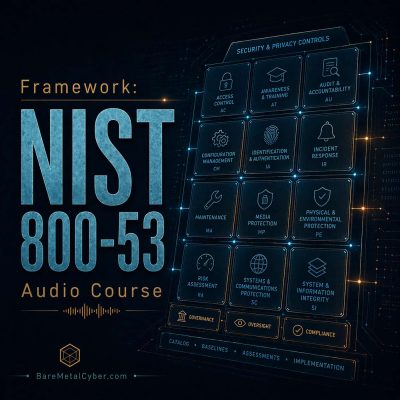
Cryptographic Protection (SC-13) requires organizations to protect the confidentiality and integrity of information through approved cryptographic mechanisms that are selected, configured, and governed according to risk and policy. For exam purposes, understand that SC-13 is the umbrella requirement that binds algorithm choice, mode selection, key sizes, and protocol baselines to mission needs and compliance obligations. It demands alignment with authoritative standards and validated modules so implementations are both strong and verifiable. SC-13 also expects explicit scoping: which data elements need encryption, where in the workflow protection is applied, and how controls are layered with transport protections like TLS and storage protections under SC-28. The intent is to prevent ad hoc cryptography and tool defaults from creating fragile, inconsistent defenses. Strong designs map data classifications to cryptographic objectives, specify acceptable algorithms and modes (for example AES-GCM for data at rest and TLS 1.3 for data in transit), and document interoperability constraints with partners and legacy systems so assurance is preserved end to end.
Operationally, SC-13 succeeds when cryptography is engineered as a managed service rather than scattered product toggles. Reference architectures define where cryptographic boundaries sit, how keys are requested from HSM-backed services, and how failures degrade safely without exposing plaintext. Build pipelines enforce approved cipher suites and reject deprecated primitives; runtime scanners detect drift such as accidental downgrade to weak ciphers or disabled certificate validation. Evidence includes configuration baselines, cipher inventories, protocol test results, and exception logs with compensating measures and retirement dates. Metrics track encryption coverage across data flows, conformance to approved cipher lists, and time to remediate findings from cryptographic audits. Common pitfalls include mixing unauthenticated encryption modes, relying on library defaults, or leaving integrity unaddressed when compressing or transforming data. Mastery of SC-13 shows the ability to translate policy into consistent, testable cryptographic posture across applications, platforms, and providers. Produced by BareMetalCyber.com, where you’ll find more cyber audio courses, books, and information to strengthen your educational path. Also, if you want to stay up to date with the latest news, visit DailyCyber.News for a newsletter you can use, and a daily podcast you can commute with.