

Strigovia: słowiański darkfolk i magia, która zawsze ma swoją cenę (M. Gołkowski i M. Głowacki)
Notas del episodio
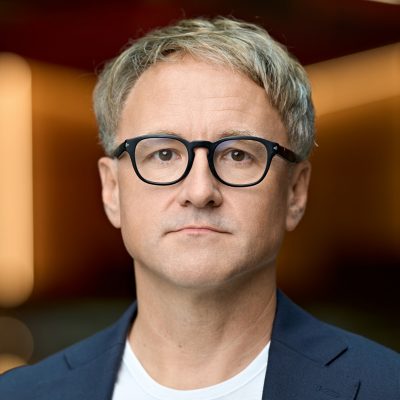
Gośćmi Artura Kurasińskiego (producenta projektu Strigovia) są Michał Gołkowski i Maciek Głowacki (lead designerzy gry), współtwórcy narracyjnej gry RPG, w której słowiański folklor spotyka się z wczesnym średniowieczem, horrorem i światem po katastrofie.
Rozmawiamy o Strigovii, w której nie ma wybrańców, superbohaterów ani bezpiecznej magii. Są za to długi, sól, Las, Prawdziwe Imiona, Licha, Velekowie, Ramini, Krzaty, Ubożęta i ludzie próbujący przetrwać między Cywilizacją a Puszczą.Strigovia to świat, w którym magia działa, ale nigdy za darmo. Moc pochodzi z Puszczy - starej, świadomej siły, która pamięta każdą przysługę i zawsze upomina się o zapłatę. Postacie nie stają się coraz potężniejsze. Zmieniają się przez straty, kompromisy, zdrady i decyzje, których skutki zostają z nimi na długo.W odcinku pytam Michała i Maćka między innymi o to, czym Strigovia różni się od klasycznego fantasy, dlaczego wybrali mroczny folk horror zamiast heroicznej przygody, czym jest darkfolk, jak działa magia długu, dlaczego Las jest czymś więcej niż tłem przygody i co oznacza gra, w której można przetrwać, ale niekoniecznie ocalić świat.Rozmawiamy też o roli Słowodzieja, o walce narracyjnej i strefowej, o religii, klasach postaci, arbonautyce, Siedmiogrodzie, Baronach Solnych, opozycjach między miastem i wsią, ojcem i matką, drewnem, kamieniem i żelazem. Nie zabraknie też wątku dotyczącego stylu graficznego: od punkowych zinów i estetyki Mörk Borg po prace Tomka Larka i Przemka "Trusta" Truścińskiego i Rafała "Too Many Skulls" Wechterowicza oraz pytania o miejsce AI w tworzeniu takich światów.Pamiętaj! Strigovia nie pyta, czy jesteś bohaterem.Pyta, komu wystawić rachunek za własne przetrwanie.Więcej o Strigovia:https://www.kickstarter.com/projects/dark-orb/strigovia-slavic-dark-fantasy-setting-and-adventure-for-5e***Strigovia creator and executive producer Artur Kurasiński sits down with Michał Gołkowski and Maciek Głowacki, the game’s lead designers and co-creators, to talk about a narrative RPG where Slavic folklore collides with the early Middle Ages, horror, and a post-catastrophe world.We talk about a game with no chosen ones, no superheroes, and no safe magic. Instead, there are debts, salt, the Forest, True Names, Licha, Velekhs, Ramini, Krzaty, Ubożęta — and people trying to survive somewhere between Civilization and the Wildwood.Strigovia is a world where magic works, but never for free. Power comes from the Wildwood: an ancient, conscious force that remembers every favor and always comes to collect. Characters do not simply grow more powerful over time. They are changed by loss, compromise, betrayal, and decisions whose consequences stay with them for a long time.In this episode, I ask Michał and Maciek what makes Strigovia different from classic fantasy, why they chose dark folk horror over heroic adventure, what darkfolk actually means, how debt-based magic works, why the Forest is much more than just a backdrop for adventure, and what it means to play a game where you may survive — but the world may not be saved.We also discuss the role of the Słowodziej, narrative and zone-based combat, religion, character classes, arbonautics, Siedmiogród, the Salt Barons, and the tensions between city and village, father and mother, wood, stone, and iron. We also get into the game’s visual style: from punk zines and the Mörk Borg aesthetic to the work of Tomek Larek, Przemek “Trust” Truściński, and Rafał “Too Many Skulls” Wechterowicz — as well as the question of where AI belongs in the creation of worlds like this.Remember: Strigovia does not ask whether you are a hero.It asks who should get the bill for your survival.More about Strigovia:https://www.kickstarter.com/projects/dark-orb/strigovia-slavic-dark-fantasy-setting-and-adventure-for-5e