

Dementia Caregiving and TV: Four Essential Tips / Alzheimer’s and Other Dementias
Notas del episodio
"The difference between TV as comfort and TV as chaos isn't the screen—it's understanding how the changing brain experiences what's on it."
Do you rely on television to help occupy your loved one's time? Does your care receiver seem agitated or anxious when the TV is on? Have you noticed them leaving the room when a show is playing or struggling to follow programs they once enjoyed?
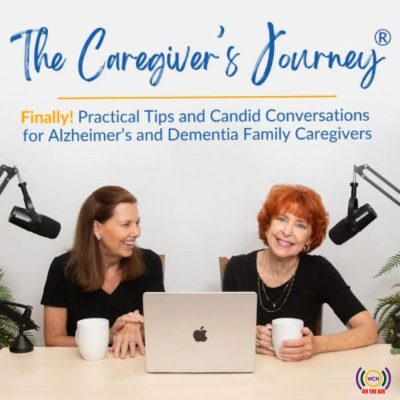
We are Sue Ryan and Nancy Treaster. As caregivers for our loved ones with Alzheimer's and other types of dementia, we've learned that what soothes us as caregivers can actually cause distress for people living with dementia. In this episode, we spoke with Allyson Schrier, co-founder and president of Zinnia TV and former caregiver for her husband with frontotemporal dementia, about why regular TV can be problematic and what we can do about it.
Let's explore four essential tips for managing TV time effectively.
Connect with us and share your tips:
- Website: https://thecaregiversjourney.org/
- Donate: https://give.cornerstone.cc/thecaregiversjourney
- Instagram: https://www.instagram.com/thecaregiversjourney/
- Facebook: https://www.facebook.com/thecaregiversjourneys/
- Linkedin: https://www.linkedin.com/in/suearmstrongryan/, https://www.linkedin.com/in/nancytreaster/
- Email: [email protected], [email protected]
Additional Resources Mentioned
- Zinnia TV https://www.zinniatv.com
- Support the nonprofit The Caregiver's Journey: https://give.cornerstone.cc/thecaregiversjourney
Takeaways
Tip 1: Be Thoughtful About What’s On TV
The answer isn’t to take TV away completely. We need to be thoughtful about what we put on the TV and pay close attention to how our loved ones respond.
Tip 2: Target Something That Creates Curiosity Without Agitation
The goal is to find programming that engages without overstimulating or causing your loved one to fall asleep (because daytime sleeping can lead to nighttime wakefulness).
Tip 3: Leverage Simulated Presence Therapy
The innovative approach of simulated presence therapy takes advantage of how people with dementia can experience confusion between what’s on screen and what’s actually happening — and uses it to benefit them.
What is simulated presence therapy? Research has shown that when someone will only take medication or follow instructions from a specific person (like a daughter or doctor), showing them a video of that person giving the instruction can work just as effectively as having the person physically present.
Tip 4: Create Engaging Alternatives On Your Own
Beyond television, there are creative ways to provide visual engagement that work better with how the dementia brain processes information.
Observe and Adjust
Managing the television experience for someone with dementia isn’t about finding one perfect solution. What works today may not work next month as the disease progresses, and that’s reasonable. The process is about observing how your loved one responds and adjusting accordingly.
The key is understanding the changing brain experiences television very differently than we do. Through being thoughtful about what’s on the screen, targeting content that engages without overwhelming, leveraging simulated presence therapy, and creating our own alternatives, we can turn TV time from a potential source of agitation into a positive opportunity for comfort and connection.
Read More in This Blog here