

The Scramble's Hidden Tax: How Silver Bought Africa
Notas del episodio
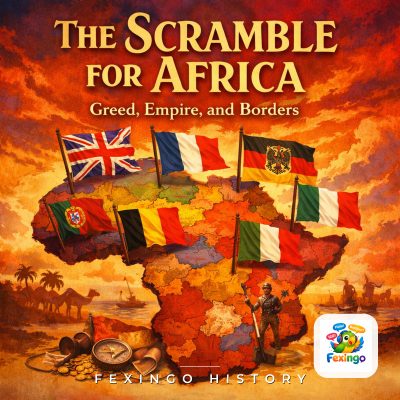
Episode 286 moves beyond the famous map-drawing of the Berlin Conference to examine the economic machinery that made European colonization possible in Central and West Africa. While previous episodes covered the political maneuvers of Otto von Bismarck and the brutal extraction of King Leopold II’s Congo Free State, this conversation focuses on the specific financial instruments used to fund imperial expansion. We explore how the British Empire utilized silver-backed currencies like the West African Pound to displace indigenous trade networks and enforce colonial authority. Lucas details the role of the Royal Niger Company and its chief agent, George Taubman Goldie, who leveraged credit and debt to dismantle the Sokoto Caliphate’s economy before military conquest was even necessary. Luna guides the narrative by asking about the human impact of these monetary shifts, particularly how local merchants and farmers were forced into new labor systems to pay taxes denominated in foreign currency. The episode also touches on the Somali Shilling as a tool of Italian and later British control in the Horn of Africa, illustrating how money was just as violent as the Maxim gun. By focusing on the ledger rather than the battlefield, we reveal how the Scramble for Africa was fundamentally a project of financial engineering that redrew wealth flows from African hands to European banks.
#ScrambleForAfrica #BerlinConference #WestAfricanPound #RoyalNigerCompany #GeorgeTaubmanGoldie #SokotoCaliphate #CongoFreeState #KingLeopoldII #ColonialEconomy #ImperialTaxation #AfricanHistory #CurrencyColonialism #SomaliShilling #TradeRoutes #EconomicImperialism #FexingoHistory #HistoryPodcast #Decolonization
Todos los episodios de The Scramble for Africa: Greed, Empire, and Borders — Fexingo History