

BITESIZE: How Blood Sugar Can Affect Mood, Anxiety, and Brain Health
Notes de l’épisode
Blood sugar and mental health are often deeply connected, yet they’re still often treated as separate problems.
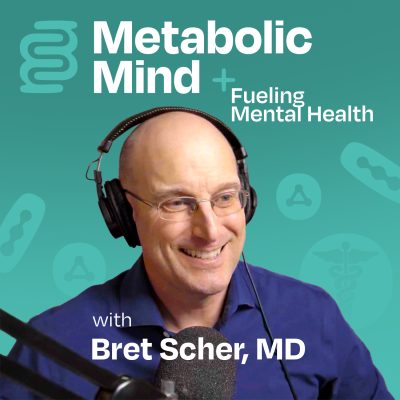
Dr. Bret Scher explores the relationship between glucose regulation, insulin resistance, mood, anxiety, and serious mental illness, including the higher rates of depression and anxiety among people living with diabetes, and factors that may contribute to that connection.
He explains how blood sugar swings can trigger adrenaline and symptoms that may feel like anxiety or panic, how diabetes distress can take a psychological toll, and why metabolic abnormalities can sometimes be present even before psychiatric medications enter the picture.
He covers:
- Why type 2 diabetes is linked with higher rates of anxiety and depression
- What “diabetes distress” is and why it often goes unaddressed
- How glucose spikes and reactive drops can affect mood and anxiety
- Why bipolar disorder and schizophrenia are associated with higher rates of type 2 diabetes
- Evidence of metabolic dysfunction before first psychiatric treatment
- Why type 1 diabetes can also place a heavy psychological burden on patients
- How insulin resistance and inflammation may affect brain energy, mood, and cognition
- Why fasting insulin, glucose variability, diet, and lifestyle may deserve more attention in mental health care
- Where low-carb approaches and ketogenic therapy may fit alongside existing care, with support from a healthcare team
Dr. Scher suggests we take a more integrated view of mental and metabolic health. Instead of treating them as separate issues, we need to start asking how metabolic health may be affecting the brain and how mental health may be affecting the body.
👉 Learn more about the potential benefits of low-carb and ketogenic diets for type 2 diabetes on our blog: https://www.metabolicmind.org/resources/library/blog/stories/type-2-diabetes-and-brain-health-the-connection-to-mental-health-and-cognition/
🔎 Have questions about how to apply metabolic therapies effectively? Submit them at metabolicmind.org/questions to be featured in a future Metabolic Mailbag episode.
#MetabolicMind #KetogenicTherapy #NationalDiabetesMonth
Expert Featured:
Bret Scher, MD - Baszucki Group Medical Director & Host of the Metabolic Mind Podcast
- https://www.linkedin.com/in/bret-scher-08baaa102/
- https://www.instagram.com/drscher858/?hl=en
- https://x.com/bschermd
Follow our channel for more information and education from Bret Scher, MD, FACC, including interviews with leading experts in Metabolic Psychiatry.
Learn more about metabolic psychiatry and find helpful resources at https://metabolicmind.org/
About us:
Metabolic Mind is a non-profit initiative of Baszucki Group working to transform the study and treatment of mental disorders by exploring the connection between metabolism and brain health. We leverage the science of metabolic psychiatry and personal stories to offer education, community, and hope to people struggling with mental health challenges and those who care for them.
Our channel is for informational purposes only. We are not providing individual or group medical or healthcare advice or establishing a provider-patient relationship. Many of the interventions we discuss can have potentially dangerous effects if done without proper supervision. Consult your healthcare provider before changing your lifestyle or medications. In addition, it is important to note that people may respond differently to ketosis, and there isn't one recognized universal response.
Therapeutic nutritional ketosis, or simply starting a ketogenic diet, is a powerful health and medical intervention that can change your body's metabolism and can dramatically alter brain function, medication levels, sleep patterns, energy levels, and other physiologic functions. If you have a psychiatric diagnosis, behavioral health symptoms, or take medications for a psychiatric condition, you should not start a ketogenic diet alone. Instead, consider starting a therapeutic ketogenic intervention with careful monitoring from your healthcare provider or an experienced clinician. We hope you will share information with your healthcare provider and discuss whether therapeutic ketosis is an appropriate, safe, and potentially effective intervention for you.