

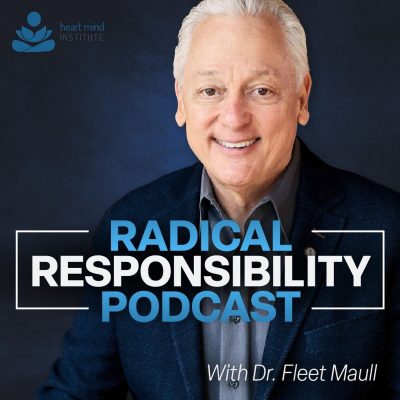
Alex Howard┃The Stories That Shape Your Relationships (and How to Rewrite Them)
Notes de l’épisode
Why do the same relationship patterns seem to repeat themselves, even when we're deeply committed to creating healthier connections?
In this conversation, Fleet sits down with integrative therapist and bestselling author Alex Howard to explore how childhood experiences shape the stories we tell ourselves, the attachment styles we develop, and the nervous system patterns that influence every relationship in our lives. Alex explains why our reactions are often driven less by what's happening in the present and more by the meanings we assigned to our earliest experiences.
Together, they unpack the four attachment styles, the importance of nervous system regulation, and why true healing isn't simply about changing our stories—it's about discovering the deeper truth beneath them. They also explore the difference between translational and transformational healing, how curiosity and compassion can replace defensiveness in relationships, and why cultivating vitality and emotional resilience allows us to show up more fully for the people we love.
Whether you're navigating romantic relationships, family dynamics, or your own healing journey, this conversation offers a practical framework for building greater security, connection, and lasting love.
Key Timestamps
00:00 Introduction
03:10 Alex's personal healing journey and the limitations of one-size-fits-all medicine
10:45 The three emotional needs every child requires: safety, love, and healthy boundaries
18:30 The stories we were told, the stories we believe, and what's actually true
28:20 Translational vs. transformational healing
35:15 Understanding the four attachment styles
46:40 How nervous system regulation creates secure attachment
58:30 Why relationship conflict is often two old stories colliding
1:09:45 Curiosity, compassion, and choosing connection over being right
1:18:30 Kindness, resilience, and creating healthier relationships
1:25:10 Why vitality, energy, and physical health matter in relationships
Memorable Quotes
"The walls we built to survive childhood often become the walls of the prison that traps us in adulthood."
"Most people's stories about themselves are far more negative than the truth."
"You can either be right, or you can be happy—but you usually can't have both."
Topics Discussed
Resources Mentioned
It's Not Your Fault: Why Childhood Trauma Shapes You and How to Break Free
Decode Your Fatigue
Optimum Health Clinic
In Therapy with Alex Howard
Connect with Alex Howard
Website:
https://www.alexhoward.com
Optimum Health Clinic:
https://www.optimumhealthclinic.com
Instagram:
https://www.instagram.com/alexhowardtherapy
YouTube:
https://www.youtube.com/@AlexHoward
Connect with Us
Instagram:
https://www.instagram.com/heartmindinstitute
Facebook:
https://www.facebook.com/heartmindinstitute
Facebook Group:
https://www.facebook.com/groups/hmisummitcommunity
In this conversation, Fleet sits down with integrative therapist and bestselling author Alex Howard to explore how childhood experiences shape the stories we tell ourselves, the attachment styles we develop, and the nervous system patterns that influence every relationship in our lives. Alex explains why our reactions are often driven less by what's happening in the present and more by the meanings we assigned to our earliest experiences.
Together, they unpack the four attachment styles, the importance of nervous system regulation, and why true healing isn't simply about changing our stories—it's about discovering the deeper truth beneath them. They also explore the difference between translational and transformational healing, how curiosity and compassion can replace defensiveness in relationships, and why cultivating vitality and emotional resilience allows us to show up more fully for the people we love.
Whether you're navigating romantic relationships, family dynamics, or your own healing journey, this conversation offers a practical framework for building greater security, connection, and lasting love.
Key Timestamps
00:00 Introduction
03:10 Alex's personal healing journey and the limitations of one-size-fits-all medicine
10:45 The three emotional needs every child requires: safety, love, and healthy boundaries
18:30 The stories we were told, the stories we believe, and what's actually true
28:20 Translational vs. transformational healing
35:15 Understanding the four attachment styles
46:40 How nervous system regulation creates secure attachment
58:30 Why relationship conflict is often two old stories colliding
1:09:45 Curiosity, compassion, and choosing connection over being right
1:18:30 Kindness, resilience, and creating healthier relationships
1:25:10 Why vitality, energy, and physical health matter in relationships
Memorable Quotes
"The walls we built to survive childhood often become the walls of the prison that traps us in adulthood."
"Most people's stories about themselves are far more negative than the truth."
"You can either be right, or you can be happy—but you usually can't have both."
Topics Discussed
- Childhood trauma
- Attachment theory
- Secure, anxious, avoidant, and disorganized attachment
- Nervous system regulation
- Polyvagal theory
- Relationship dynamics
- Core emotional needs
- Self-worth
- Transformational healing
- Therapeutic coaching
- Functional nutrition
- Chronic illness
- Curiosity and compassion
- Kindness in relationships
- Emotional resilience
Resources Mentioned
It's Not Your Fault: Why Childhood Trauma Shapes You and How to Break Free
Decode Your Fatigue
Optimum Health Clinic
In Therapy with Alex Howard
Connect with Alex Howard
Website:
https://www.alexhoward.com
Optimum Health Clinic:
https://www.optimumhealthclinic.com
Instagram:
https://www.instagram.com/alexhowardtherapy
YouTube:
https://www.youtube.com/@AlexHoward
Connect with Us
Instagram:
https://www.instagram.com/heartmindinstitute
Facebook:
https://www.facebook.com/heartmindinstitute
Facebook Group:
https://www.facebook.com/groups/hmisummitcommunity