

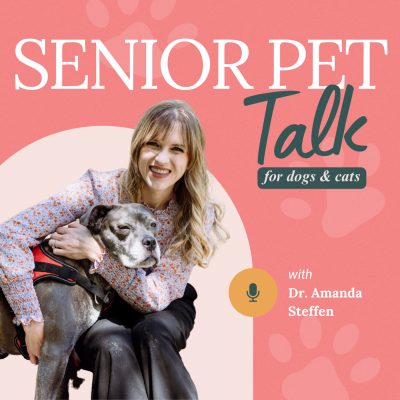
14. Senior Pet Care in General Practice with Dr. Hunter (Part 1)
Notes de l’épisode
What vets wish pet parents knew about senior pet care. In this first part of a 2-part series, Dr. Steffen is joined by one of her best friends and general practice vet, Dr. Terrence Hunter, who now owns his own practice, WAG Vet. They share experiences from veterinary medicine, explore senior pet care, and why thorough exams and client communication matter so much.
They chat about:
- Personal memories from their time in practice together
- Seeing senior pets in general practice, and how much of what he sees now is senior animals
- What senior pet parents often come in too late for
- Common senior pet problems not to be alarmed by
- Recognizing quality of life changes
- End-of-life conversations, cost discussions, and why senior appointments need more time
This is a great episode for hearing some common misconceptions pet owners have about aging pets, and the things vets wish you knew when it comes to caring for your senior pet.
LINKS
- Follow WAG Vet on Instagram
- WAG Vet Website
- Follow Senior Pet Talk and find Dr. Amanda on Instagram at @dramandasteffen.
- Website: http://seniorpetconnection.com
- Book your personalized virtual consultation: https://bit.ly/SPTConsult
TIME STAMPS
00:00 - Introduction to Dr. Hunter
04:05 - Stories Dr. Steffen and Dr. Hunter share about working together
12:17 - Animal care stories involving goats and chickens
15:22 - What it's like seeing senior pets
17:11 - Subtle signs owners often miss
20:25 - What senior pet parents come in too late for
25:40 - Recognizing quality of life changes
28:38 - Normal aging signs vs. when to seek veterinary advice
32:59 - The hardest conversations to have with pet parents
40:21 - Making time for seniors in a practice setting
45:36 - Part one wrap-up
Disclaimer: Senior Pet Talk is not a substitute for professional veterinary care or the clinical judgment of a licensed veterinarian. This podcast is for educational purposes only and should not be used to diagnose, treat, or make medical decisions for your pet. Always consult your veterinarian regarding your pet's specific health needs.