

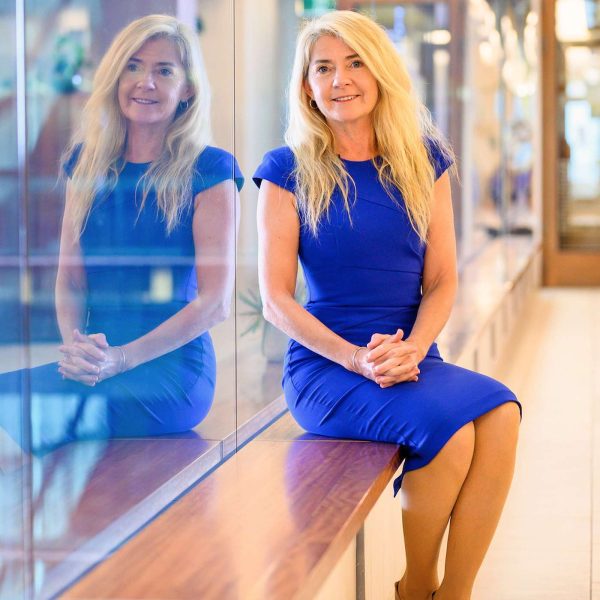
THRIVING MINDS PODCAST
- Épisodes
- 223
- Parution
- toutes les deux semaines
- Dernier épisode
- 29 Juil 2026
À propos du podcast
Do you want to learn how to build resilience, boost your cognitive performance, and achieve mental agility? Then it's time to discover the exciting world of brain health and fitness with Thriving Minds. Hosted by renowned neuroscientist Professor Selena Bartlett, Thriving Minds is a podcast dedicated to exploring the latest advances in brain science education.
With decades of experience studying addiction, stress, and mental health, Professor Bartlett is a true expert in her field. And she's on a mission to empower people to take control of their mental and physical well-being. So what makes Thriving Minds so unique?
It's not just about theory – it's about practical tips and simple tools that you can use to improve your brain health and fitness right now. From understanding how stress wires the brain, the power of cold exposure, nutrition and exercise and connection.
Thriving Minds is also a deep dive into cutting-edge brain science and digital technology. From neuroplasticity to brain imaging, Professor Bartlett and her team are at the forefront of this rapidly evolving field. They're exploring the latest research and innovations and sharing their insights with listeners around the world.And the best part?
Let's make brain health everyone's business. They're inspiring people to take action and create a culture of mental fitness, where people prioritise their brain health as much as their physical health.
Tune in to the podcast and discover the secrets of brain health and fitness. Whether you're looking to boost your cognitive performance, reduce stress, or improve your overall well-being, Selena and her team are here to help you thrive.
The opinions expressed in the podcast are Selena Bartlett's personal opinion and her guests. They are for general informational purposes only and do not constitute the practice of medicine, nursing, psychology or other professional health care services, including the giving of medical advice, and no doctor/patient relationship is formed. The opinions in the podcast do not reflect the opinion of Queensland University of Technology.
Épisodes 223
Epsiode #6 The Door is Open. Learn about the Big Feelings, Growing Brains Resources, Sharon Ward
Episode #6: The Door Is Open — Your Big Feelings, Growing Brains Resources.In this special episode of Big Feelings, Growing Brains, Sharon Ward and Professor Selena Bartlett bring the series together and …
Notes de l’épisode
Episode #6: The Door Is Open — Your Big Feelings, Growing Brains Resources.
In this special episode of Big Feelings, Growing Brains, Sharon Ward and Professor Selena Bartlett bring the series together and introduce the practical resources created with parents, educators, health professionals and community members.
Throughout the series, we have explored the real challenges families are facing, including screen transitions and meltdowns, anxiety and school refusal, food and fussy eating, reading development, toileting, emotional regulation and knowing where to find help. Episode #6 is your guide to taking the next step.
Visit https://bigfeelingsgrowingbrains.com/
Listen to the full podcast series and explore practical, family-friendly resources, including:
- simple ideas for managing screens, transitions, meltdowns and big emotions
- strategies for rebuilding confidence and supporting children experiencing school avoidance or school refusal
- the Food for All family resource, with low-cost recipes, shopping lists, lunchbox ideas, food-on-the-run suggestions and gentle approaches to fussy eating
- Building Reading Brains ideas to support children’s language, connection and early literacy
- practical toileting tips for parents, carers and educators
- Big Feelings, Growing Brains inspiration cards
- information about playgroups, family programs, community services and other places families can seek support
These resources are not about perfect parenting. They are designed to offer simple, realistic ideas from people who understand that raising children can be joyful, exhausting, confusing and hard. Sometimes one practical idea, one supportive conversation or one connection with the right person can change the direction of a difficult day.
Explore the resources and listen to every episode at:
https://bigfeelingsgrowingbrains.com/
For help accessing the resources, printed copies, community sharing enquiries or further information, contact Professor Selena Bartlett:
Please share this episode and website with parents, grandparents, carers, educators and anyone walking alongside a child. Big feelings are not something families should have to face alone. The door is open.
Subscribe and support the podcast at
https://www.buzzsprout.com/367319/supporters/new
Learn more at www.profselenabartlett.comEpisode #5: It Takes a Village — We Want to Help- Build Reading Brains, Toileting Tips and Community Support for Big Feelings, Growing Brains
Raising children is not something families should have to do alone. It takes a village: parents, grandparents, educators, health professionals, community workers, neighbours and friends who can offer practical …
Notes de l’épisode
Raising children is not something families should have to do alone. It takes a village: parents, grandparents, educators, health professionals, community workers, neighbours and friends who can offer practical help, calm advice and a reminder that no one needs to have all the answers.
In Episode #5 of Big Feelings Growing Brains, we explore the everyday moments that can feel big for families: supporting children in building early reading skills, navigating toileting, asking for help, and finding the community support that makes life more manageable.
This episode is about practical ideas, not perfection. It is about helping children feel capable, helping parents feel less alone, and recognising that small acts of support can make a real difference.
To celebrate the ideas shared in this episode, we are creating simple resources for families, including:
Building Reading Brains
Easy ways to grow language, connection and early reading skills through talking, singing, storytelling, looking at books together and making everyday moments a chance to learn.Toileting Tips
Gentle, practical support for families navigating toilet learning, accidents, routines, resistance and the big feelings that can come with this important stage of development.Community Support
Ideas for finding and accepting help through early learning services, playgroups, schools, health professionals, family support organisations and the people around you who care.A Small Reminder
Children grow through relationships. They learn through repetition, play, language, encouragement and the feeling that someone is beside them when things are hard.
Families do not need to do everything on their own. Asking for help is a strength. Offering help matters too.
It takes a village — and we want to help.
With Thanks to Our Contributors
This episode and its resources have been shaped by the knowledge, care and lived experience of the same community.
- Sue, Speech and Language Pathologist
- Jodie, Little Scholars
- Bec and Carmen, Bayview Kindy
- Liz and Lisa, C&K Kindy at Deception Bay North
- Alana and Chloe, Gardenia Early Learning
- Alana and Nikki, Early Learning
- Ashleigh Stephens, Facilitator Early Years
- Ruth, Senior Project Officer First Nations
- Parents and families who shared their experiences, questions and practical wisdom
Thank you for helping us build a stronger village around children and the people who love them.
https://bigfeelingsgrowingbrains.com/
Subscribe and support the podcast at
https://www.buzzsprout.com/367319/supporters/new
Learn more at www.profselenabartlett.comEpisode #4: Food. Families. Love. Simple food and lunchbox ideas for big feelings, growing brains.
Simple food and lunchbox ideas for big feelings, growing brainsFeeding children is rarely just about food. It can be about time, cost, tiredness, sensory needs, routine, allergies, lunchboxes that come home …
Notes de l’épisode
Simple food and lunchbox ideas for big feelings, growing brains
Feeding children is rarely just about food. It can be about time, cost, tiredness, sensory needs, routine, allergies, lunchboxes that come home untouched, and the pressure families can feel to get every meal right.
In Episode #4 of Big Feelings Growing Brains, we heard many thoughtful, practical ideas from educators, health professionals and families who understand these everyday challenges. Their conversations reminded us that food does not need to be perfect to be nourishing. Small, familiar meals, a safe food on the plate, ingredients served separately, and a little more connection can make a real difference.
To celebrate the episode and make these ideas useful in everyday life, we created a collection of simple, low-cost recipes, food-on-the-run ideas and lunchbox suggestions for busy families. These resources are designed to support children who are learning to eat, families doing it tough, and anyone looking for realistic ways to make food feel easier.
Explore the ideas
Food for All Recipe Book
Simple, affordable meals made with everyday ingredients, including Cloud Bowl, Toasty Dippers, Tree Twirls, Eggy Bites, Volcano Mash, Treasure Bowl and Smiley Carrot Crunch. Each recipe can be adapted to different dietary needs and served together, side by side, or separately.Food on the Run
Quick ideas for busy mornings, after-kindy hunger, appointments, sport, work and tired afternoons. Think yoghurt and fruit bowls, toast with beans, egg bites, carrot sticks with dip, bananas, rice bowls and leftovers packed into small containers.Lunchbox Ideas
Realistic lunchbox options that are affordable, easy to open and familiar for children. Start with a safe food, add small portions, and keep foods separate where that helps. Lunchboxes can include toast fingers, Eggy Bites, fruit, yoghurt, cheese, carrot sticks, rice, peas, corn and leftovers from dinner.You can find all the recipes and ideas here:
https://bigfeelingsgrowingbrains.com/
With thanks to the Episode #4 contributors
This collection grew from the knowledge, care and lived experience shared by:
- Sue, Speech and Language Pathologist,
- Jodie, early educator
- Bec and Carmen, Bayview Kindy
- Liz and Lisa, C&K Kindy at Deception Bay North
- Alana and Chloe, Gardenia Early Learning
- Alana and Nikki, Early educators
- Ashleigh Stephens, Facilitator Early Years
- Ruth, Senior Project Officer First Nations
- Parents and families who shared their experiences, questions and practical wisdom
Thank you for helping us create practical ideas grounded in care, connection and the everyday realities of family life.
Subscribe and support the podcast at
https://www.buzzsprout.com/367319/supporters/new
Learn more at www.profselenabartlett.comEpisode #3 From School Avoidance to Attendance Helping Children Feel Safe, Seen, and Ready to Learn, Big Feelings Growing Brains.
School avoidance is becoming an increasingly common challenge for families, schools, and communities.For some children, walking through the school gates can feel overwhelming. Anxiety, bullying, social …
Notes de l’épisode
School avoidance is becoming an increasingly common challenge for families, schools, and communities.
For some children, walking through the school gates can feel overwhelming. Anxiety, bullying, social pressures, learning difficulties, emotional distress, and feeling unsafe can all contribute to school refusal and disengagement.
In Episode 3 of Big Feelings, Growing Brains, we explore what may sit beneath school avoidance and what families, educators, and communities can do to help children reconnect with learning.
In this episode, you'll learn:
• Why some children struggle to attend school
• What fear and anxiety can look like in the classroom
• The importance of emotional safety and belonging
• How schools and families can work together
• Practical strategies to support attendance and confidenceFeaturing educators, parents, wellbeing leaders, and community voices, this conversation focuses on understanding rather than judgment and support rather than blame.
Because children learn best when they feel safe, connected, and seen.
Big Feelings, Growing Brains is a special Thriving Minds podcast series helping parents, educators, and communities navigate the challenges of modern childhood together.
Subscribe and support the podcast at
https://www.buzzsprout.com/367319/supporters/new
Learn more at www.profselenabartlett.comEpisode #2 Screen Meltdowns to Calm What to Do When Screens Become a Struggle, Big Feelings, Growing Brains podcast
Why do some children seem calm one moment and completely overwhelmed the next when it is time to switch off a screen?In Episode 2 of Big Feelings, Growing Brains, we explore what is really happening in the …
Notes de l’épisode
Why do some children seem calm one moment and completely overwhelmed the next when it is time to switch off a screen?
In Episode 2 of Big Feelings, Growing Brains, we explore what is really happening in the developing brain when children move from highly stimulating digital environments back into everyday life.
Together, parents, educators, and wellbeing leaders discuss why screen transitions can trigger big emotions, what children are trying to communicate through their behaviour, and practical strategies that can help reduce conflict at home and school.
In this episode, you'll discover:
• Why screens can be so difficult to switch off
• What is happening in the brain during a meltdown
• Why connection before correction works
• Simple ways to support smoother transitions
• Practical ideas from people who have been thereThis is not about blame, shame, or perfect parenting. It is about helping adults better understand growing brains and respond with confidence, compassion, and connection.
Behind many screen meltdowns are often big feelings, and children who need support learning how to regulate them.
Big Feelings, Growing Brains is a special Thriving Minds podcast series created by the community, for the community.
Subscribe and support the podcast at
https://www.buzzsprout.com/367319/supporters/new
Learn more at www.profselenabartlett.comEpisode #1 Big Feelings, Growing Brains. Connection Before Disconnection. Bringing together the community to support thriving kids.
Why Children Melt Down When Screens EndWhy do simple moments like “time to turn it off” so often end in tears, anger, shutdowns, or emotional explosions?In the first episode of Big Feelings, Growing Brains …
Notes de l’épisode
Why Children Melt Down When Screens EndWhy do simple moments like “time to turn it off” so often end in tears, anger, shutdowns, or emotional explosions?
In the first episode of Big Feelings, Growing Brains, neuroscientist Professor Selena Bartlett brings together educators, parents, and wellbeing voices to explore what is really happening in the developing brain during screen-time transitions.
Featuring:
- Professor Selena Bartlett
- Dr Mark Williams, cognitive neuroscientist, Author, ScreenSmart Children
- Jennie Dreever from Younity Community Services
- Kim, sharing a parent perspective
- HIPPY (Home Interaction Program for Parents and Youngsters)
Together, they explore:
- why screens are so hard to switch off
- why transitions can trigger emotional escalation
- what parents and teachers are seeing in real life
- how connection helps regulate overwhelmed brains
- practical ways to reduce stress and conflict at home and school
This episode is not about blame or shame. It is about helping adults better understand growing brains in a rapidly changing digital world.
Big Feelings, Growing Brains is a special Thriving Minds mini-series bringing together neuroscience, lived experience, education, and community wisdom to support children, families, and educators.
Subscribe and support the podcast at
https://www.buzzsprout.com/367319/supporters/new
Learn more at www.profselenabartlett.comEpisode #217 Are We Raising Anxiety? Dr Danielle Einstein, Clinical Psychologist
Anxiety in children and teenagers is rising, but are we always helping in the right way?In this powerful conversation, with clinical psychologist Dr Danielle Einstein to explore what anxiety really is, how …
Notes de l’épisode
Anxiety in children and teenagers is rising, but are we always helping in the right way?
In this powerful conversation, with clinical psychologist Dr Danielle Einstein to explore what anxiety really is, how modern parenting, social media and screens may unintentionally reinforce it, and why avoidance can quietly strengthen fear over time.
Drawing on neuroscience, clinical psychology, and real-world family experiences, this episode explores:
- Why the brain learns through experience
- How screens, uncertainty, and constant comfort-seeking can fuel anxiety
- The difference between supporting a child and rescuing them from discomfort
- Why confidence grows through small acts of courage
- Practical ways parents, teachers, and clinicians can help children face fears safely and gradually
Dr Einstein also discusses her research on uncertainty and anxiety, and shares insights from her work helping families navigate school stress, social anxiety, gaming, emotional overwhelm, and everyday avoidance patterns.
This is not a conversation about blame or “perfect parenting.” It is a conversation about understanding the brain, rebuilding resilience, and helping young people learn they can do hard things.
A practical and compassionate episode for parents, educators, clinicians, and anyone supporting growing brains in an increasingly uncertain world.
You can learn more about Dr Danielle Einstein and her work here:
https://www.danielleeinstein.com/Subscribe and support the podcast at
https://www.buzzsprout.com/367319/supporters/new
Learn more at www.profselenabartlett.comEpisode #216 Will Agency become the word for 2026? Raising Screen Smart People with Dr Mark Williams
What does it really mean to raise a screen-smart child in a world that is designed to capture their attention?In this important and timely conversation, I sit down with Dr Mark Williams to discuss his new book …
Notes de l’épisode
What does it really mean to raise a screen-smart child in a world that is designed to capture their attention?
In this important and timely conversation, I sit down with Dr Mark Williams to discuss his new book with Gavin McCormack, exploring the science, the reality, and the responsibility we all share when it comes to children and screens.
Drawing from their new book Screen Smart Children, we go beyond fear and blame to unpack what is actually happening in the developing brain. We talk about attention, emotional regulation, sleep, learning, and how constant digital stimulation is shaping the way children think, feel, and connect.
This is not about removing technology. It is about understanding it.
Together, we explore:
- What screens are doing to the brain during critical periods of development
- Why children struggle to switch off and what that means for behaviour
- The link between screen use, anxiety, and emotional dysregulation
- How schools and families can respond in a practical, balanced way
- What “screen smart” actually looks like in real life
Dr Mark Williams brings deep expertise in cognitive neuroscience, helping us understand attention and memory in a distracted world. He collaborated with Gavin McCormack, bringing decades of experience in education, working directly with children, teachers, and families across the globe.
What emerges is a clear and hopeful message: we are not powerless. With the right knowledge and small, consistent changes, we can reshape children’s environments and support healthier brain development.
This episode is for parents, educators, and anyone who cares about the next generation.
Because this is not just about screens.
It is about the kind of minds we are shaping for the future.📘 Resources & Links
Thriving Minds Newsletter: https://www.linkedin.com/article/edit/7457652593234919424/
Thriving Minds in the Age of AI
https://www.amazon.com.au/dp/0999099779?ref=yb_qv_ov_prnt_dp_rw
Book: Screen Smart Children
- https://www.simonandschuster.com.au/books/Screen-Smart-Children/Mark-A-Williams/9781761639715
- https://www.amazon.com.au/Screen-Smart-Children-helping-switches/dp/1761639714
Dr Mark Williams
https://www.drmarkwilliams.com/
Gavin McCormack
https://www.linkedin.com/in/gavinmccormack/
#ScreenSmartChildren
#ThrivingMinds
#Neuroscience
#DigitalWellbeing
#ChildDevelopmentSubscribe and support the podcast at
https://www.buzzsprout.com/367319/supporters/new
Learn more at www.profselenabartlett.comEpisode #215 Contained. Are we guardians or thieves or both? Benjamin Knight, Co-Founder of A curious tractor, and Lead, AIME design studio
If we are honest, we know we are not one fixed version of ourselves. We can be generous and self-interested, patient and reactive, all within the same day. In this episode, we explore that uncomfortable truth …
Notes de l’épisode
If we are honest, we know we are not one fixed version of ourselves. We can be generous and self-interested, patient and reactive, all within the same day. In this episode, we explore that uncomfortable truth and what it reveals about human behaviour.
I sit down with Benjamin Knight to discuss Contained, a powerful immersive experience that brings you inside the reality of youth detention. It asks a confronting question: how different are “we” from “them,” really?
Through story, neuroscience, and lived experience, this conversation unpacks how behaviour is shaped not just by character but by conditions, pressure, context, and whether someone was there to help us pause and choose differently.
We explore:
- The thin line between opportunity and consequence
- How systems can shape identity, for better or worse
- Why connection, structure, and consistency change outcomes
- What neuroscience tells us about stress, safety, and behaviour
This is not about excusing behaviour. It is about understanding it. Because when we understand what shapes people, we can start to build environments that support better choices.
This episode will leave you reflecting on your own moments at the edge and asking a bigger question:
What would we build if we truly understood how much conditions matter?
https://www.linkedin.com/in/benjamin-knight-53854061/
Subscribe and support the podcast at
https://www.buzzsprout.com/367319/supporters/new
Learn more at www.profselenabartlett.comEpisode #214. Can Pickleball Save Us? Rebuilding Community at the Edge of the Meta-Crisis. Andy Hamilton, Founder of Human Nature
What if the pickleball court was the beginning of a movement?Not a fitness trend, but a genuine response to one of the most significant public health challenges of our time: the slow erosion of the social …
Notes de l’épisode
What if the pickleball court was the beginning of a movement?
Not a fitness trend, but a genuine response to one of the most significant public health challenges of our time: the slow erosion of the social fabric that holds communities together and keeps people well.
I was sharing an Uber Pool on my way to speak to a room full of local council leaders when the woman sitting next to me started talking about why she had left her job in tech. She had spent a decade building a platform connecting people with mental health support, successful by every boardroom measure, but from the inside, she could see what the metrics weren't capturing. People were receiving care and returning to lives where the loneliness that had made them unwell in the first place remained completely untouched.
So she walked away from the platform and built something you can walk into. Nineteen indoor pickleball courts, a food hall, a co-working space, not a wellness program or an app, but a place where people have a reason to show up regularly and, over time, begin to genuinely know each other.
After thirty years of studying the brain, this makes complete sense to me. Authentic social connection isn't a nice addition to a healthy life; it sits at the very centre of brain health. Our nervous systems are built for it; we regulate each other, we find safety in each other, and when that is missing as a chronic condition of daily life, the consequences are neurological, not just emotional. We have understood this for a long time, and we keep building systems that ignore it.
This is why the work of Andy Hamilton and the team at Human Nature matters so deeply to me. They haven't tried to build a better version of youth detention; they have created environments where young people can experience connection, responsibility and being genuinely seen, often for the first time. The outcomes are simply what happens when you finally give people what was missing.
We have always known what works. The question has never really been about knowledge; it has been about whether we are willing to accept that we are all responsible for the answer.
I take you inside Andy Hamilton's work with Human Nature, and what three decades of neuroscience tell us about why environments like his produce the results they do. I also explore what the woman in that Uber Pool understood about community that most policy and technology still don't, and what weeding a park together might have to teach us about where we go from here.
If you work in community, leadership, health, or simply care about what kind of world we are building, this one is for you.
https://humannature.org.au/people/andy-hamilton/
Subscribe and support the podcast at
https://www.buzzsprout.com/367319/supporters/new
Learn more at www.profselenabartlett.comEpisode #213. Kindness Tim Tams: A World a Little Better Because of Rachel Robinson, MySummits
Kindness Tim Tams: A World a Little Better Because of Rachel Robinson, MySummitsIn this episode of Thriving Minds, Professor Selena Bartlett speaks with Rachel Robinson, Director of Adventure-Based Therapeutic …
Notes de l’épisode
Kindness Tim Tams: A World a Little Better Because of Rachel Robinson, MySummits
In this episode of Thriving Minds, Professor Selena Bartlett speaks with Rachel Robinson, Director of Adventure-Based Therapeutic Solutions (ABTS) and co-founder of MySummits, about the transformative impact of connection and outdoor adventure for young people.
Rachel shares a story from one of her camps where offering a struggling young person a simple Tim Tam became a powerful moment of kindness and care.
Drawing on nearly two decades working in child safety, Rachel explains how adventure-based therapeutic camps help young people rebuild confidence, develop trust and experience belonging through activities such as hiking, camping and mountain biking.
The conversation explores:
• Why having one adult who cares can change a young person’s life
• How outdoor adventure supports emotional regulation and confidence
• the importance of connection for young people facing adversity
• Rachel’s vision for expanding these programs so that more young people can benefitThe episode also touches on emerging research examining screen use and self-harm and suicidal behaviours in young people, highlighting the growing importance of real-world connections and supportive relationships.
This episode is a reminder that meaningful change often begins with something simple.
One person who cares.
A moment of kindness.
And sometimes, a Tim Tam shared in a camp.
Learn more:
https://www.mysummitabts.com.au/
Subscribe and support the podcast at
https://www.buzzsprout.com/367319/supporters/new
Learn more at www.profselenabartlett.comEpisode #212 Helping Kids Grow Up Strong in 2026 | What Schools Are Facing and What We Can Do Bryan, A Teacher, Coach and Father Speaks
"I believe that education is all about being excited about something. Seeing passion and enthusiasm helps push an educational message. "In 2026, many parents, teachers and coaches are asking the same question …
Notes de l’épisode
"I believe that education is all about being excited about something. Seeing passion and enthusiasm helps push an educational message. "
In 2026, many parents, teachers and coaches are asking the same question. What is happening to our children?
Across schools and communities, we are seeing more aggression, faster escalation of conflict, online humiliation spilling into classrooms, and young people struggling to regulate strong emotions. At the same time, childhood is now lived through screens in fast, stimulating, comparison-driven digital environments that developing brains were never designed for.
In this episode, I sit down with Bryan, Head of Student Engagement, football coach, father and husband, who works with young people every day. We talk honestly about what he is seeing on the ground. Rising reactivity. Exposure to gambling culture through sport. Earlier access to drugs and alcohol. The growing pressure that boys and girls are facing in 2026. This is not a blame conversation.
What does constant stimulation do to a developing brain?
How does sleep loss affect impulse control?
Why are some conflicts escalating so quickly?
And what can parents, schools and communities actually do to help?We explore the neuroscience of regulation, the difference between character and capacity, and why connection must come before correction. Most importantly, we focus on practical steps. Strengthening sleep, protecting childhood from screens, rebuilding community boundaries, and restoring the conditions that help children thrive.
Screens are not the only factor. But unregulated exposure in developing brains is not neutral. If we want safer communities, we must build stronger nervous systems. If we want resilient adults, we must protect childhood.
Based on the sources, physical activity is not viewed as a reward but as essential biology that supports the nervous system and builds the capacity for frustration tolerance. The following activities and approaches are highlighted as beneficial:
• Team-Based Sports with "Flow": Engaging in sports that emphasise team dynamics—like the New Zealand All Blacks’ "caterpillar" model—helps students move away from individual frustration and social comparison. When a team "flows" together, they learn to communicate and work together to "fix links" when someone fails, rather than a student feeling like a "loser" when they don't personally score.
• Outdoor Time: Restoring outdoor time is considered a high-leverage intervention to help regulate the nervous system. This provides a necessary break from the chronic load of digital stimulation and screens, which often depletes a student's ability to handle setbacks.
• Mindful Movement and Stretching: Incorporating daily stretching can help transition the brain from a reactive state to a centred one. These "tiny habits," when done consistently, help rewire the brain for better emotional control and less reactionary behaviour.
• Walking and Connection: Physical activities that facilitate conversation, such as group walks, can help students and adults alike "unpack" their day and process frustrations through connection rather than isolation.
• Competitive Play with Resilience Modelling: While competitive sports like football or rugby league can be sources of frustration, they serve as a training ground for resilience if adults model how to "bounce back" after a loss rather than blaming others.
Ultimately, these activities support frustration tolerance by strengthening human capacity—including social intelligence and emotional regulation and to keep pace with the speed and pressure of the modern environment.
Please help us help our children.
Subscribe and support the podcast at
https://www.buzzsprout.com/367319/supporters/new
Learn more at www.profselenabartlett.comEpisode #211. What running taught us about our brains, learn about exerkines with Associate Professor Tara Walker, Queensland Brain Institute, UQ and Co-host of Trail Tales.
This week on Thriving Minds, I’m joined by Associate Professor Tara Walker, Senior Research Associate at the Queensland Brain Institute (UQ) — and co-host of the trail running podcast Trail Tales with Tara and …
Notes de l’épisode
This week on Thriving Minds, I’m joined by Associate Professor Tara Walker, Senior Research Associate at the Queensland Brain Institute (UQ) — and co-host of the trail running podcast Trail Tales with Tara and Bryce.
Tara and I are both neuroscientists, and we both love running. In this episode we explore the science and the joy of trail running — what it does for brain health, mental health, confidence, and connection. We talk about why running on trails feels so different to road running, how being in nature changes the experience, and why community is often the missing ingredient for people who think “I’m not a runner.”
We also dive into Tara’s research program investigating how lifestyle interventions like exercise and diet support brain health, including what we’re learning about hippocampal neurogenesis, exercise-related blood factors (exokines), and the emerging idea of exercise mimetics — ways to mimic some of the benefits of exercise for people who can’t run.
Along the way, Tara shares her personal trail-running journey — from her first 10–12km trail race to ultras and 100km events, and the mindset and training strategies that make endurance possible. We also discuss injuries, why trail running is booming, and how moving outdoors can help us feel more regulated, less stressed, and more connected.
If you’ve ever felt disconnected, stuck at a desk, or unsure how to start moving again, this is a practical and hopeful conversation — grounded in real neuroscience and real life.
Listen now — and if you’re in Brisbane, you might even want to join a community run (koalas included).
Subscribe and support the podcast at
https://www.buzzsprout.com/367319/supporters/new
Learn more at www.profselenabartlett.comEpisode #210. Don’t Break Their Spirit. Learnt helplessness in the AI era. Professor Selena Bartlett
What happens when we mistake compliance for strength?In this episode of Thriving Minds, Professor Selena Bartlett explores a powerful and confronting conversation with a man who was proud of the physical …
Notes de l’épisode
What happens when we mistake compliance for strength?
In this episode of Thriving Minds, Professor Selena Bartlett explores a powerful and confronting conversation with a man who was proud of the physical punishment he received as a child. He believed it made him disciplined. He believed it taught him consequences. He believed it made him better.
But beneath that story lies a deeper question: when does discipline build character, and when does it condition helplessness?
Drawing on neuroscience, behavioural science, and parallels from the multi-billion-dollar horse industry, Selena unpacks the psychology of learned helplessness — the state that occurs when repeated stress teaches a nervous system that effort does not change outcomes. A quiet being is not always a regulated being. Sometimes it is a shut-down one.
From parenting to leadership, from classrooms shaped by industrial efficiency to the rise of AI-driven optimisation, this episode challenges us to rethink control, compliance, and the architecture of agency.
True resilience is not built through fear. It is built through co-regulation, relationship, and adults who can pause rather than react.
If we want thriving minds, communities, and countries, we must ask ourselves:
Are we building agency — or perfecting compliance?
#ThrivingMinds
#LearnedHelplessness
#IntergenerationalTrauma
#AgencyMatters
#Neuroscience
#Parenting
#Leadership
#Resilience
#EmotionalRegulation
#CoRegulation
#HumanDevelopment
#BeyondCompliance
#DontBreakTheirSpiritSubscribe and support the podcast at
https://www.buzzsprout.com/367319/supporters/new
Learn more at www.profselenabartlett.comEpisode #209. "Authenticity" may become the word for 2026? Conversation with Ellie Murphy, Founder of Storitiv.
In this episode of Thriving Minds, Professor Selena Bartlett is joined by Ellie Murphy, founder of Storitiv, to explore why authenticity is becoming one of the most important human skills in an AI-mediated …
Notes de l’épisode
In this episode of Thriving Minds, Professor Selena Bartlett is joined by Ellie Murphy, founder of Storitiv, to explore why authenticity is becoming one of the most important human skills in an AI-mediated world.
As technology makes it easier than ever to generate polished language, profiles, and narratives, many people are sensing a growing gap between how they present themselves and what feels true underneath. This conversation examines why that gap matters, how humans are wired to detect authenticity, and why trust, consistency, and follow-through remain central to meaningful work and relationships.
Drawing on neuroscience, evolutionary insight, and lived experience, Selena and Ellie discuss authenticity not as branding or performance, but as alignment. They explore why oversharing isn’t the same as honesty, how misalignment shows up in the nervous system, and why trust is a key driver of productivity, speed, and psychological safety at work.
This episode is for anyone who feels that the story they’re telling no longer quite fits, and who is navigating leadership, identity, or connection in a world where words are easy to polish, but truth is still felt.
In this episode, we explore:
- Why humans are built to detect authenticity
- The neuroscience of trust, predictability, and alignment
- How AI changes storytelling and perception
- Why trust accelerates work and strengthens relationships
- What it means to align truth and presentation in modern life
🎧 Thriving Minds explores brain health, human connection, and what it takes to thrive in a rapidly changing world.
Subscribe and support the podcast at
https://www.buzzsprout.com/367319/supporters/new
Learn more at www.profselenabartlett.comEpisode #208. Welcome 2026. From Crisis to Care: Seeing humanity in mental health prevention and treatment, Professor Sharon Lawn, Executive Director Lived Experience Australia
The podcast episode featured a conversation with Professor Sharon Lawn about mental health systems, lived experience, and the importance of humanising care for individuals with mental health challenges. We …
Notes de l’épisode
The podcast episode featured a conversation with Professor Sharon Lawn about mental health systems, lived experience, and the importance of humanising care for individuals with mental health challenges.
We discuss the need for more person-centered, compassionate approaches in mental health services and the value of incorporating lived experience perspectives into research, policy, and practice. The conversation emphasized the significance of community support, everyday acts of kindness, and treating individuals with dignity beyond their diagnoses to transform mental health care systems.
Sharon covered several key topics:
Personal and Professional Background
- Sharon's journey shaped by rural upbringing, family openness about mental health, and early career experiences working with veterans at a psychiatric hospital
- Her observational approach to understanding mental health systems and power dynamics
Lived Experience in Mental Health
- Definition and importance of lived experience work in valuing individuals' perspectives
- How to intentionally use lived experience to create understanding and humanize mental health services
- Challenges of incorporating lived experience safely and effectively in professional contexts
Dehumanisation and Systemic Issues
- The contrast between seeing people as humans versus focusing solely on diagnoses and symptoms
- Problems with impersonal language, labeling, and assumptions in mental health care
- How systems deflect responsibility by labeling patients as "non-compliant" or "too complex"
Transforming Mental Health Services
- The need for services to reach people in their own spaces rather than requiring them to seek help
- Importance of person-centered, proactive approaches versus crisis-driven systems
- Value of both formal and informal support systems, including community organizations
Humanisation and Connection
- Practical ways to show compassion through everyday acts like using people's names, bringing flowers to hospital visits
- The significance of small human connections and being seen
- Building community through simple gestures of kindness and acknowledgment
Based on the meeting discussion, Sharon Lawn recommends several specific changes for mental health systems:
Shift from Crisis-Driven to Proactive Care
- Services should reach out to people in their own spaces rather than requiring them to seek help
- Move away from reactive, crisis-driven approaches to more accessible, preventive care
Humanise and Personalise Services
- Use people's names and treat them with dignity and respect
- See individuals beyond their labels and diagnoses, recognizing their strengths and skills
- Stop using impersonal language and dehumanizing practices
Incorporate Lived Experience
- Increase representation of people with lived experience in the workforce
- Value and integrate lived experience perspectives into research, policy, and practice at every level
- Create safe spaces for people to share their experiences without reducing them to mere "performances"
Respect Autonomy and Rights
- Recognize individuals' autonomy and human rights in treatment settings
- Stop deflecting responsibility by labeling patients as "non-compliant" or "too complex"
Integrate Formal and Informal Support
- Recognize the value of both professional services and community-based organizations run by people with lived experience
- Foster community support and everyday acts of kindness
Reframe Mental Health as Part of Life
- Stop treating mental health as separate from other health conditions
- Recognize that r
Subscribe and support the podcast at
https://www.buzzsprout.com/367319/supporters/new
Learn more at www.profselenabartlett.comEpisode #207. Thank you for listening and a Blueprint for Feeling Good to Finish out 2025.
Episode #207 marks a moment of deep gratitude and reflection. In this special episode, I look back on the journey that shaped Thriving Minds from the early days of questioning how the brain works, through …
Notes de l’épisode
Episode #207 marks a moment of deep gratitude and reflection. In this special episode, I look back on the journey that shaped Thriving Minds from the early days of questioning how the brain works, through decades of neuroscience, to the new era we are stepping into together.
This episode explores how early life experiences shape the nervous system, why connection is a biological regulator, and how compassion, presence and daily habits drive real neuroplastic change and where AI and digital technologies will transform how we detect anxiety, personalise support, and understand the social brain, while reminding us that healing will always come from human connection.
We close the episode with the key takeaways from 2025—lessons to carry forward:
- Connection is medicine. Our brains regulate each other; synchrony is measurable and essential.
- Healing is relational. Being seen, understood and met with compassion changes the brain.
- Neuroplasticity is always possible. Small, consistent actions reshape circuits across the lifespan.
- ACEs matter, but they are not destiny. With awareness and support, resilience can be built at any age.
- Digital life must be redesigned for wellbeing. AI can enhance support—but human presence is irreplaceable.
- We are each other’s environment. The communities we build shape the next three generations.
A hopeful, science-grounded blueprint for anyone seeking resilience, clarity and a future built on seeing and supporting one another as we close out 2025.
Subscribe and support the podcast at
https://www.buzzsprout.com/367319/supporters/new
Learn more at www.profselenabartlett.com#206: Thriving Minds 2026: The Future is Connection, Healing & Human Potential
2025 has felt like a turning point.Across this year’s Thriving Minds conversations—from brain health and dementia, to stress, team flow, near-death experiences, and the “neuroscience of two”—one message keeps …
Notes de l’épisode
2025 has felt like a turning point.
Across this year’s Thriving Minds conversations—from brain health and dementia, to stress, team flow, near-death experiences, and the “neuroscience of two”—one message keeps rising to the surface:
We are only just beginning to understand how powerful we are for each other’s brains.
In this special reflection episode, I explore what we learned in 2025 and where Thriving Minds is heading next, at the intersection of neuroscience, healing, neuroplasticity and community.
We dive into the major shifts reshaping neuroscience today:
• The move from snapshots to living, dynamic brains, made possible by new imaging and genomic tools.
• The neuroscience of two (and many) with insights from Dr Joy Hirsch on interbrain synchrony and why being in the same room matters.
• Bioelectricity, fields and consciousness, inspired by conversations with Dr Bruce Greyson on near-death experiences.
• A “middle way” that unites rigorous science with lived experience, trauma, recovery and human stories.We discuss how healing is changing—from a symptom-focused view to a relational, systemic model—where early life experiences shape the nervous system, and being truly seen becomes a biological event that calms and connects the brain.
We revisit practical lessons in neuroplasticity and resilience: small daily actions that build new habits, strategies that strengthen the prefrontal cortex, and a shift from deficits to capacity—especially important in ageing, dementia and mental health.
And we explore the powerful truth revealed again and again this year:
Community is part of our neurobiology.
Humans regulate each other. Team flow, synchrony, compassion and presence activate brain networks that cannot be accessed alone or online.Finally, we look ahead to the future of Thriving Minds:
bringing connection neuroscience into real-world settings, designing homes, schools and workplaces aligned with what we now know about the brain, and continuing to build a bridge between science and lived experience.If these ideas resonate, subscribe to the Thriving Minds podcast and join the growing community working toward a more hopeful, brain-wise future.
We change our brains—and each other’s—every day.
The opportunity for the next decade is to do it consciously, together.#ConnectionNeuroscience #ThrivingMinds #Neuroscience2026 #BrainHealth #HumanConnection #InterbrainSynchrony #Neuroplasticity #CollectiveIntelligence #CommunityHealing #RelationalNeuroscience
Subscribe and support the podcast at
https://www.buzzsprout.com/367319/supporters/new
Learn more at www.profselenabartlett.comEpisode #205: DeepDive: The Strongest Shield: Why Parental Discomfort is the Biggest Threat to Child Safety and the Two Proactive Tools Every Adult Needs Now, Feather Berkower Expert Tips
Thriving Minds Podcast Deep Dive: Building a Child Sexual Abuse Prevention Team Hosted by Professor Selena Bartlett Expert: Feather Berkower, Author of Off Limits: A Parent’s Guide to Keeping Kids Safe from …
Notes de l’épisode
Thriving Minds Podcast Deep Dive: Building a Child Sexual Abuse Prevention Team Hosted by Professor Selena Bartlett
Expert: Feather Berkower, Author of Off Limits: A Parent’s Guide to Keeping Kids Safe from Sexual AbuseThe top 5 things to keep children safe in the digital age.
Feather challenges the outdated belief that children should be responsible for protecting themselves. Instead, she empowers adults to take charge by building what she calls a “Prevention Team.” This team includes everyone in your child’s world—teachers, coaches, grandparents, babysitters—and sets clear boundaries and safety rules that deter potential offenders before they ever gain access.
It is the small, brave conversations that can make a lifelong difference. From teaching kids the difference between secrets and surprises, to addressing online grooming and exposure to pornography, Feather shows how open, honest, and continuous dialogue is the most powerful protection tool we have.
Top 5 Takeaways for Parents
- Adults are responsible, not children, for preventing abuse.
- Talk, talk, talk—and don’t stop talking about body safety.
- Build your Prevention Team by having explicit boundary conversations with anyone who cares for your child.
- Discomfort is protective—feeling awkward now prevents trauma later.
- Use practical tools like Off Limits and Feather’s Conversation Starter Cards to begin these vital discussions today.
This episode will leave you informed, empowered, and ready to create a safer world for children—one conversation at a time.
Subscribe and support the podcast at
https://www.buzzsprout.com/367319/supporters/new
Learn more at www.profselenabartlett.comEpisode #204 Let Them be Seen. Because healing begins when we choose to see — and to be seen.
Neuroscience now shows us that human connection changes the brain.Walking high above the forest floor on the Valley of the Giants Treetop Walk in Western Australia, I felt what real strength looks like.The …
Notes de l’épisode
Neuroscience now shows us that human connection changes the brain.
Walking high above the forest floor on the Valley of the Giants Treetop Walk in Western Australia, I felt what real strength looks like.
The giant tingle trees reach for the light, but their power doesn’t come from standing alone. Under the soil, their roots and fungi form a living web, sharing water, nutrients, and information. Each tree depends on the health of the whole forest.
That is what thriving organisations do too.
Leadership as Connection
After that walk, I gave a presentation at the Optus Stadium to early childhood educators, as part of the Child Australia conference. They reminded me that leadership isn’t about control. It’s about creating the right conditions for others to grow.
They help children learn through safety, play, and connection. They build trust first, then learning follows.
It’s the same in every organisation. When people feel safe, supported, and seen, they do their best work.
Leadership is no different. It’s not about control, it’s about connection. When people feel seen and supported, they bring their best ideas forward. When leaders make space for visibility, empathy, and trust, the whole system begins to flow.
A healthy organisation works like an ecosystem: it doesn’t rely on one strong trunk, but on many connected roots.
Leaders who create these conditions don’t need to push growth, it happens naturally. Like the forest, their teams become alive with creativity and flow.
“Raising children is an art. It’s about creating the conditions that allow them to thrive as their unique selves"When people feel seen, their stress circuits quiet down, and the brain’s higher networks — for creativity, empathy, and problem-solving turn on. That’s how safety becomes innovation.
Minimize image
Edit image
Delete imageCreating Conditions for Flow
Walking among those ancient trees reminded me that growth doesn’t come from control. You can’t force a tree to grow, and you can only create the right light, water, and soil.
Leadership works the same way. Our role is to build the conditions where people feel trusted and visible. When they do, they begin to synchronise, share ideas, and thrive together.
This happens in great conversations, in creative teams, and in organisations where leaders listen more than they direct. The result? Collective intelligence. Decisions become faster, ideas flow freely, and people feel energised rather than exhausted. Most importantly people feel free to say where there are problems and why the idea might fail.
Boundaries protect us. But being seen transforms us.
Read Visible: Rewiring Your Brain for Love, Resilience, and the Courage to Be Seen
https://www.amazon.com.au/VISIBLE-Rewiring-Brain-Resilience-Courage/dp/0999099744
Subscribe and support the podcast at
https://www.buzzsprout.com/367319/supporters/new
Learn more at www.profselenabartlett.com#203: If only I knew what I know now. Science of Motherhood podcast, interview with Dr Renee White
Today on Thriving Minds, I’m sharing a special replay of my conversation with Dr. Renee White on her Science of Motherhood podcast, where we explored what I wish I knew then—now that I know this—about screens …
Notes de l’épisode
Today on Thriving Minds, I’m sharing a special replay of my conversation with Dr. Renee White on her Science of Motherhood podcast, where we explored what I wish I knew then—now that I know this—about screens, resilience, and protecting our kids’ mental health in the digital age.
Screens are part of everyday life, but learning how to manage them while protecting our children’s mental health can feel like an uphill battle. In this candid conversation, Professor Selena Bartlett shares the lessons she wishes she knew earlier as a parent—now backed by decades of neuroscience research into stress, resilience, and brain plasticity.
You’ll hear practical, science-informed strategies to help you:
- Set and hold screen time boundaries (without constant battles)
- Support your child’s resilience through the power of neuroplasticity
- Understand how technology impacts kids’ mental health
- Reduce family stress and strengthen connection
- Make everyday changes that protect wellbeing
This isn’t about removing technology altogether—it’s about using it mindfully, while safeguarding what matters most: your child’s mental health and your family’s connection.
Resources & Links
- Follow Renee on Instagram: @fillyourcup_
- Learn more about The Science of Motherhood and Fill Your Cup services
🌿 Connect with Professor Selena Bartlett:
- Website: profselenabartlett.com
- Instagram: @prof_selena_bartlett
- Explore more at womenrise.com.au
If this replay sparks an “I wish I knew that earlier” moment for you, share it with another parent navigating the same challenges—and subscribe so you don’t miss future episodes of Thriving Minds.
Subscribe and support the podcast at
https://www.buzzsprout.com/367319/supporters/new
Learn more at www.profselenabartlett.comEpisode #202. What is a BRAINWAVE? Why Science, Medicine and Healing Modalities Are Coming Together, Dr Caitlin Shure, PhD, NY-based technologist and science communicator.
“The brain wave is not just a scientific object—it’s a cultural one.” – Dr. Caitlin ShureWhat is a brain wave? How “brain waves” became a metaphor for mind control, telepathy, and spiritual resonance. That’s …
Notes de l’épisode
“The brain wave is not just a scientific object—it’s a cultural one.” – Dr. Caitlin Shure
What is a brain wave? How “brain waves” became a metaphor for mind control, telepathy, and spiritual resonance. That’s the question we explore in one of the most surprising and thought-provoking episodes of the Thriving Minds podcast to date—with science journalist and technologist Dr. Caitlin Shure, whose PhD work traced the strange cultural journey of the brainwave from telepathy and spiritualism to modern neurotech and wellness wearables. Link to Episode #202: Brainwaves, Culture, and the Future of Healing.
It turns out this simple question—"What is a brain wave?"—unlocks a much deeper one:
What do we really believe about the brain, the body, and our capacity to heal?
A deceptively simple question—yet one that opens a portal into 150+ years of science, culture, and imagination.The Rise (and Risk) of Neuroscience/Brain-Based Everything
Today, brainwaves are everywhere—from EEG sleep trackers and meditation headbands to marketing slogans and Instagram therapists. And yet:- Most people don’t know what a brain wave is
- Many companies use “neuroscience” language without scientific rigour
- Consumers are caught between hope, hype, and helplessness
Caitlin and I discussed how this confusion reflects a crisis in our time:
👉 A loss of trust in science
👉 The exploitation of wellness culture
👉 The seductive myth that the mind can be “optimized” or “uploaded”
👉 And a growing yearning for something beyond both clinical reductionism and magical thinking
💡 Why This Matters Now
As someone who has studied the brain for three decades, I’ve seen how easily science can become siloed—or exploited. I've also seen how desperately people are searching for hope, healing, and clarity in an overwhelming world.We’re overstimulated, overtired, and often overpromised.
But there's a way forward. And it’s not at either extreme.
🔄 The Middle Way is emerging as a necessary path. One that honours science and soul. Logic and lived experience. Data and deep feeling. This is how we build real health systems—ones that don’t just treat symptoms, but restore agency, belonging, and meaning.
🔗 Let’s Keep the Conversation Going
Have you ever used neurotech? Do you think science is losing (or gaining) trust in your community? What does a “Middle Way” look like in your work?
I’d love to hear your thoughts. Join the conversation in the comments or on LinkedIn
#Neuroscience #ThrivingMinds #ScienceCommunication #MiddleWay #EEG #BrainWaves #Healing #BrainHealth #WellnessCulture #Neuroplasticity #ScienceMeetsSoul #CaitlinShure #SelenaBartlett #TeamFlow #Syntony #Neurotech #HealthLiteracy
Subscribe and support the podcast at
https://www.buzzsprout.com/367319/supporters/new
Learn more at www.profselenabartlett.comEpisode #201: How to Synchronise to Thrive in the AI Age. Latest neuroscience of inter-brain synchrony!
For most of my career in neuroscience, I believed the brain alone governed who we are—shaped by genetics, evolution, and early life experiences. I trusted in the power of brain imaging and genomics to reveal …
Notes de l’épisode
For most of my career in neuroscience, I believed the brain alone governed who we are—shaped by genetics, evolution, and early life experiences. I trusted in the power of brain imaging and genomics to reveal the answers. But after decades spent mapping neural circuits, a deeper truth emerged:
We are not isolated minds in skulls. We are wired to connect.
In this episode, I explore the revolutionary science of interbrain synchrony—how our brains light up in rhythm with others when we’re emotionally attuned, collaborating, or solving problems together. Thanks to researchers like Dr. Joy Hirsch, we now understand our ability to thrive may not reside solely in the brain, but between us.
As AI disrupts our workplaces and rewires our attention, we’re increasingly disconnected—from ourselves, each other, and our natural states of flow. But what if we could reclaim connection? What if the edge we need in this uncertain age isn’t more speed or knowledge, but more synchrony?
Drawing parallels from nature—like how fish shoal and school to protect, move, and thrive together—I share a new vision for leadership and learning: designing environments where team flow becomes the norm, not the exception.
This episode is an invitation to rethink intelligence, leadership, and the future of work—through the lens of relational neuroscience.
🔍 Topics covered:
- The neuroscience of interbrain synchrony
- Team flow vs. solo productivity
- How evolution and environment shape intelligence
- Why social intelligence is now our greatest asset
- Practical strategies for designing synchrony in your team
- The mindset shift we need in the AI era
🎧 Tune in to learn how to turn overwhelm into alignment—and why fish don’t swim alone, and neither should we.
#TeamFlow #Neuroscience #InterbrainSynchrony #Leadership #AIandHumanity #Synchrony #MindsetShift #FutureOfWork #PodcastEpisode #SocialBrain
Subscribe and support the podcast at
https://www.buzzsprout.com/367319/supporters/new
Learn more at www.profselenabartlett.comEpisode #200. Proof of Life After Death? Neuroscience Meets Near-Death with Dr. Bruce Greyson, Psychiatrist, Author of After: A Doctor Explores What NDEs Reveal about Life and Beyond
🎧 Thriving Minds with Professor Selena Bartlett welcomes Dr. Bruce Greyson, a pioneering psychiatrist and Professor Emeritus at the University of Virginia, for a profoundly moving and scientifically grounded …
Notes de l’épisode
🎧 Thriving Minds with Professor Selena Bartlett welcomes Dr. Bruce Greyson, a pioneering psychiatrist and Professor Emeritus at the University of Virginia, for a profoundly moving and scientifically grounded conversation on near-death experiences (NDEs) and the nature of consciousness. In this episode, Dr. Greyson reflects on his 40 years of research, the development of the Greyson NDE Scale, and his acclaimed book After, which explores what NDEs reveal about the mind, death, and what might lie beyond.
Together, they delve into the profound stories from Dr. Greyson’s clinical career, including verifiable accounts of consciousness during clinical death, and how these findings challenge the long-held assumption that the brain is the sole source of awareness. Dr. Greyson also shares how studying NDEs transformed his own scientific beliefs, why materialism may not offer all the answers, and how this research can reshape mental health, medical training, and how we approach grief, dying, and healing.
This is a conversation at the frontier of science and mystery, offering hope, humility, and a glimpse at the next revolution in understanding the human mind.
📘 After by Dr. Bruce Greyson is available now.
https://www.amazon.com.au/After-Doctor-Explores-Near-Death-Experiences/dp/1250263034
🎙️ Learn more at [Thriving Minds Podcast].Subscribe and support the podcast at
https://www.buzzsprout.com/367319/supporters/new
Learn more at www.profselenabartlett.comEpisode #199. Rewiring Medicine: A Physician’s Path to Intuitive Healing, Dr Anona Blackwell, Genito-urinary specialist, author, academic
Can you be both a scientist and a mystic? In this extraordinary episode, Professor Selena Bartlett speaks with Dr. Anona Blackwell — a Lancet-published academic, former consultant physician, and author of From …
Notes de l’épisode
Can you be both a scientist and a mystic? In this extraordinary episode, Professor Selena Bartlett speaks with Dr. Anona Blackwell — a Lancet-published academic, former consultant physician, and author of From Medic to Mystic — about the turning point where evidence-based medicine no longer had all the answers.
Raised in rural poverty in Wales and rising to the heights of British medical academia, Dr. Blackwell quietly navigated a parallel world of intuitive experiences, energy healing, and psychic insight. For decades, she kept this side hidden. Now, at 75, she’s sharing it all — and helping rewire our understanding of medicine and healing.
In this conversation, we explore:
· The moments science couldn’t explain — and why she couldn’t ignore them
· How trauma, intuition, and healing intersect in clinical settings
· The courage it takes to speak about the unseen in a sceptical world
· Why the future of medicine must integrate both body and energy, logic and intuition
Dr. Blackwell’s story challenges the idea that you must choose between science and spirit. Instead, she shows us that healing lives at the intersection of both.
Her memoir, From Medic to Mystic, is available now.
https://www.amazon.com/Medic-Mystic-Academic-Physicians-Paranormal/dp/1068511001
Listen and discover what it really means to rewire medicine.Subscribe and support the podcast at
https://www.buzzsprout.com/367319/supporters/new
Learn more at www.profselenabartlett.comEpisode #198 Sometimes We Need Less Push and More Connection, Amanda Cooke, poet and author of reunion songs.
In the rush to do more, fix more, and be more, we often forget the simplest truth:Sometimes what we need isn’t another push… It’s a hand to hold. A moment to breathe. A reminder that we belong.When I sat down …
Notes de l’épisode
In the rush to do more, fix more, and be more, we often forget the simplest truth:
Sometimes what we need isn’t another push… It’s a hand to hold. A moment to breathe. A reminder that we belong.When I sat down recently with Amanda Cooke—poet, writer, and creator of Reunion Songs—what unfolded wasn’t just an interview. It was a reconnection. A weaving back into something ancient and alive. Something that felt less like conversation and more like song.
A song that belongs to all of us.
Amanda Cook is a writer, poet and songwriter who grew up wild on Yuggera Turrbal country (Brisbane) and spent much of her adult life in cities far from home. After 25 years away, including six years in the middle of nowhere, she found herself back near where she began—realising that living wildly is not about escaping, but about remembering and reclaiming the life she longs for.
Her writing is rooted in everyday freedom, sacredness, mysticism and practical animism. Through poetry and personal essays, Amanda explores what it means to belong—to ourselves, to each other and to the greater web of life. When she is not writing, Amanda is close to home with her family, immersed in books, art, nature, music, poetry or dancing—anything that reconnects her inner and outer wildness.
The Beauty of Remembering
Amanda describes her book not in chapters, but in song cycles. Because the poems didn’t arrive in a straight line, they emerged like ripples. Whispers. Threads in the greater tapestry of the natural world—the web of life—calling her back to herself.
“The name Reunion Songs came from the joy of remembering. Remembering that I belong—not just to myself, but to the Earth, to others, to everything I thought I had lost.”
This isn’t just poetic language. It’s a biological truth. We now know through neuroscience that connection rewires the brain. That being seen, supported, and attuned to can restore nervous system balance. Being in nature, or even just thinking about it promotes a sense of calm.
Amanda’s poem Restoration Song captures this beautifully:
Take off your shoes now, you here in this body— the body of the Earth rising up to meet you, saying yes. This is where you belong. It’s never too late to remember what you’ve been waiting for.
What if healing is not something to achieve, but something to allow? What if it’s already here—beneath your feet, within your breath, in the rhythm of your heartbeat?
For Educators, Carers & Everyone Holding It Together
If you’re someone working on the frontlines—whether in a classroom, clinic, kitchen, or courtroom—this message is for you. You don’t need to push harder. You need a moment of grace. Amanda’s work in youth justice and my own work in neuroscience agree: people are not machines. We are relational, rhythmic beings. And we heal through connection, not perfection. Let Amanda’s words hold you, even if just for a moment:
“You’re doing a great job. What you do matters. Let yourself be held too.”
If you’re longing for a softer, wiser way to walk through this life, here’s where to begin:
- Listen to Amanda’s episode
- Read her poetry collection Reunion Songs (Amazon or ask your local shop)
- You can buy the book www.amandacooke.com
- Subscribe to her Substack: Alchemy in Between
- Substack link:https://amandacooke.substack.com/amandacooke.substack.com
Step outside. Take off your shoes. Let the Earth say yes to you again.
Subscribe and support the podcast at
https://www.buzzsprout.com/367319/supporters/new
Learn more at www.profselenabartlett.com#197: Stress in Sight: Why the Eye Is a Window Into the Brain—and Why It Could Transform How We Treat People, UC Berkeley talk.
When we visit the doctor, we routinely measure blood pressure, cholesterol, glucose, weight, and heart rate. For years, we’ve known that early life experiences—especially stress and adversity—leave long-lasting …
Notes de l’épisode
When we visit the doctor, we routinely measure blood pressure, cholesterol, glucose, weight, and heart rate. For years, we’ve known that early life experiences—especially stress and adversity—leave long-lasting marks on the nervous system. But we rarely stop to ask: How can we see those marks?
That’s where the eye comes in.
Why the Eye Reveals the Brain
The corneal nerve plexus is a dense network of sensory nerves at the front of the eye.
It’s part of the peripheral nervous system, which connects directly to the brain.Emerging research shows that these corneal nerves reflect the state of the broader nervous system, including:
- Stress load
- Inflammatory markers
- Neurodegenerative changes
In other words:
When we look at the eye, we’re not just seeing vision structures—we’re seeing a living map of how the brain and body have been shaped over time.I had the fortunate opportunity to do study leave at UC Berkeley in the School of Optometry and Vision Sciences, a research project with Drs Katie Edwards and Luisa Holguin Colorado and Kerri Gillepie at QUT and Dr Suzanne Fleiszig and Dr David Evans at UC Berkeley.
Why Isn’t Nervous System Analysis Routine?
Here’s the bigger question.
When we visit the doctor, we routinely measure blood pressure, cholesterol, glucose, weight, and heart rate.
But the nervous system—the control center of our entire body—is rarely assessed in standard care.Why?
We know that chronic stress increases risk for mental illness, metabolic disease, cardiovascular conditions, and cognitive decline. We know that early life stress reshapes neural pathways and immune responses.
Yet we lack accessible, affordable, and scalable tools to routinely check the health of the nervous system.That’s what makes the eye so exciting. It offers a non-invasive, real-time window into nervous system health—and a chance to shift medicine toward prevention and early detection, rather than just reacting to crisis.
In this episode we discuss:
- How the eye reveals hidden stress
- What we’re learning about the links between early life adversity and neural health
- Why public engagement is critical as we develop these new tools
This is a conversation not just for scientists, but for everyone who cares about mental health, brain health, and the future of healthcare. I’d love to hear what excites or concerns you about this emerging field. When we truly see how early life shapes the brain, we can no longer treat people as just symptoms or diagnoses.
It opens a new kind of care:
Asking what happened to you? not just what’s wrong?
Making nervous system health part of routine care
Prioritising prevention, resilience, and healingBy measuring the hidden imprints of experience, we can design treatments that help rewire the brain, not just manage symptoms.
This isn’t just science. It’s a transformation in how we care for people.
Let’s build that future, together.
Subscribe and support the podcast at
https://www.buzzsprout.com/367319/supporters/new
Learn more at www.profselenabartlett.comEpisode #196. Making of SEEN the film, Hailey Bartholomew, Film Director | Writer |TEDx speaker
SEEN is a groundbreaking feature-length documentary—and now a powerful podcast companion—that explores the untold story of how healing our own childhood wounds can transform the way we parent. At the heart of …
Notes de l’épisode
SEEN is a groundbreaking feature-length documentary—and now a powerful podcast companion—that explores the untold story of how healing our own childhood wounds can transform the way we parent. At the heart of this series lies a bold and hopeful message: when parents confront and rewire their own coping mechanisms, it doesn't just change their lives—it reshapes their children's developing brains.
Through raw, unfiltered conversations with real parents, experts, and neuroscientists, SEEN uncovers the science behind trauma, attachment, and emotional regulation. This isn’t just another parenting podcast. It’s a deeply personal, scientifically grounded journey into how healing ourselves can create ripple effects for generations to come.
Whether you're a parent, caregiver, educator, or simply curious about how our pasts shape our futures, SEEN offers a roadmap to emotional liberation, stronger family connections, and a new vision of what’s possible.
Join us as we illuminate the path forward—one story, one breakthrough, one brain at a time.
Hailey Bartholomew is an award-winning director, writer, and cinematographer known for her emotionally resonant storytelling and distinctive visual style. With a passion for capturing the extraordinary in the everyday, her work blends vulnerability, beauty, and authenticity in a way that leaves a lasting impact.
As Director of Seen the Film (2025), a groundbreaking documentary exploring the neuroscience of parenting and personal healing, as well as Ageless (2023), and My Happy Heart (2019). As the founder of creative studio You Can’t Be Serious, Hailey is committed to making work with heart—projects that move people, spark conversations, and create change.
Hailey’s films reflect her deep belief in the power of real stories, told with honesty and care. Whether behind the camera or leading a creative team, her work continues to resonate with audiences worldwide.
Connect with Hailey here:
https://youcantbeserious.com.au/about/
#SEENtheFilm
#DocumentaryWithHeart
#StorytellingThatMatters
#BehindTheScenes
#IndependentFilm
#FilmWithPurpose
#WomenInFilm
#DirectorSpotlight
Subscribe and support the podcast at
https://www.buzzsprout.com/367319/supporters/new
Learn more at www.profselenabartlett.comEpisode #195. Adolescence & Authority: What the Netflix Series Gets Right About Our Kids, Nicole Runyon, Psychotherapist, parent coach, Author Free to Fly.
📌 Key Insight: Modern parenting often prioritises convenience and safety over challenge and growth. But kids need opportunities to struggle, try, fail, and try again to build the emotional muscles they’ll need …
Notes de l’épisode
📌 Key Insight:
“We’re putting 3-year-olds on iPads but not letting them zip up their coats.” – Nicole Runyon
Modern parenting often prioritises convenience and safety over challenge and growth. But kids need opportunities to struggle, try, fail, and try again to build the emotional muscles they’ll need for life.Let’s flip the script—and raise a generation built on connection, competence, and confidence.
In this gripping conversation, we’re joined by Nicole Runyon, LMSW—psychotherapist, parent coach, and author of Free to Fly: The Secret to Fostering Independence in the Next Generation—to unpack the Netflix series Adolescence and the uncomfortable truths it holds up to modern parenting.
Nicole brings over two decades of experience in child and adolescent mental health and a rare ability to help adults step inside the minds of today’s kids. Together, we dive into the deeper layers of Jamie’s story and what it reveals about a world where kids grow up online, alone, and often unseen.
We explore:
- Why this isn’t just a mental health crisis—it’s a crisis of adult power
- How convenience culture is sabotaging childhood
- The dark role of algorithms, and where adult responsibility still lies
- The myth of safety behind closed doors
- Why therapy alone can’t fix what community and connection must
- Practical steps for adults to reclaim authority in a digital world
- And what kids actually need—beyond screens, labels, or diagnoses
Nicole’s insight is both provocative and empowering. If you’re ready for a conversation that moves beyond blame and into bold, practical change—this episode is for you.
Top 5 Foundations for Healthy Brain and Child Development (0–18 years)
- Attachment and Safety (0–18 months)
- Prioritise bonding, physical affection, eye contact, and consistent caregiving.
- Love, hugs, and a safe environment are essential to wire the brain for trust and connection.
- Will and Authority (18 months–3 years)
- Respect toddlers’ emerging independence while setting firm boundaries.
- Let them try things on their own, even if frustrating, and allow space for tantrums. This builds frustration tolerance and emotional regulation.
- Autonomy and Independence (3–5 years)
- Encourage self-help skills like dressing, zipping coats, and managing tasks.
- Let children take risks and experience challenge—don’t over-index on safety.
- Social-emotional learning and confidence emerge from doing, not avoiding struggle.
- Confidence and Competence (5–12 years)
- Confidence grows by overcoming hard things—not from trophies or rewards.
- Avoid constant praise and incentives; instead, promote perseverance and self-worth through effort and resilience.
- Identity Development (12–18 years)
- A secure sense of self is built on the foundation of earlier stages.
- Without real-world confidence, teens look to social media influencers to tell them who they are.
- This can lead to distorted identity formation and vulnerability to mental health trends online.
📌 Key Insight:
“We’re putting 3-year-olds on iPads but not letting them zip up their coats.” – Nicole Runyon
Modern parenting often prioritises convenience and safety over challenge and growth. But kids need opportunities to struggle, try, fail, and try again to build the emotional muscles they’ll need for life.Let’s flip the script—and raise a generation built on connection, competence, and confidence.
🎧 Listen now and learn how we can show up differently—for our children, and for each
Subscribe and support the podcast at
https://www.buzzsprout.com/367319/supporters/new
Learn more at www.profselenabartlett.comEpisode #194. Unlocking Childhood: How One School Is Leading the Safe Tech Revolution, Anthony England, Pymble Ladies' College – Watch us change the world
Anthony England, Director of Innovation at Pymble Ladies’ College, discusses a bold grassroots initiative to reclaim childhood from the grip of digital addiction. With screen time skyrocketing and mental health …
Notes de l’épisode
Anthony England, Director of Innovation at Pymble Ladies’ College, discusses a bold grassroots initiative to reclaim childhood from the grip of digital addiction. With screen time skyrocketing and mental health declining, Anthony and his team took action—rolling out over 800 custom-managed smartphones designed to grow with students, limit harmful content, and foster real-world connection.
Pymble has chosen a new and courageous path—one that protects wellbeing while preparing students to thrive in a complex digital world.
At the centre of this conversation is the Pymble Wise Phone Initiative, launching in 2025. This school-wide program will provide a wiser mobile phone choice to students in Years 4 to 8, replacing traditional smartphones with custom-managed devices that grow with the child. Designed to be boring by design—but brilliant in impact—these phones limit harmful content while enabling connection, safety, and gradual digital independence.
We dive into:
- Why they created affordable, safe phones that don’t steal attention
- How a $5 alarm clock and a Wi-Fi timer can transform home tech habits
- The ripple effects: more sleep, stronger friendships, time for hobbies and outdoor play
- The digital licence approach: like P-plates for phones, helping students earn responsibility
- How joy is being restored—through go-karts, bikes, and parent-child pledges to live life well
This initiative is not about restriction—it’s about protection and empowerment. By uniting the school and home in a shared mission, Pymble is creating a spring-free trampoline for digital life—a safe ecosystem where children can grow stronger, not more stressed.
✨ “We are choosing a new and courageous path to make the world a better place for our girls.” – Pymble Ladies’ College
💡 If you’re a parent, teacher, policymaker, or school leader searching for practical answers, this episode will inspire, inform, and empower you to take the next step toward a wiser digital future.
This is a hopeful and practical blueprint for schools, parents, and policymakers navigating the digital age. It’s not about banning tech but making it safer, smarter, and developmentally appropriate.
💡If you’re a parent, teacher, or school leader wondering how to make meaningful change, this episode will inspire and empower you with real-world solutions.
Subscribe and support the podcast at
https://www.buzzsprout.com/367319/supporters/new
Learn more at www.profselenabartlett.com
Voici les 40 derniers épisodes sur 223. Les épisodes plus anciens se trouvent dans le flux du podcast.
Podcasts similaires
Plus de podcasts : Forme et santé




C’est votre podcast ?
Confirmez-le avec une entrée dans votre flux : vous recevez ici un code, vous l’ajoutez comme podcast:txt dans le canal de votre flux, et nous le vérifions. Votre podcast apparaît ensuite comme « vérifié » sur SoundNode.