

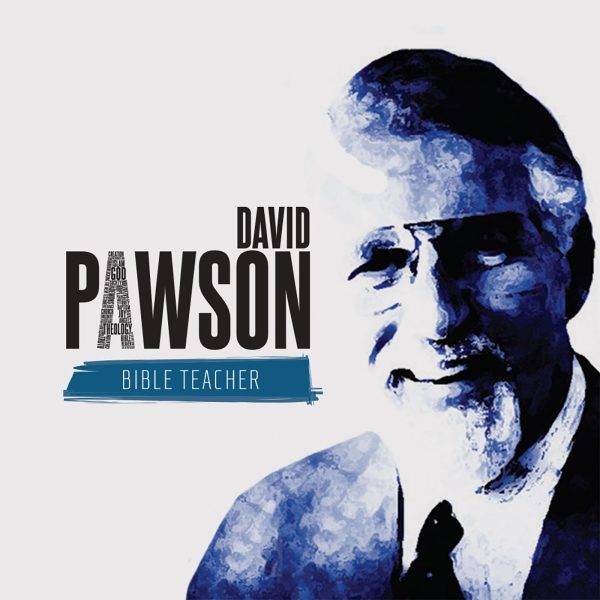
David Pawson Ministry Podcast
- Folgen
- 100
- Erscheint
- wöchentlich
- Letzte Folge
- 10. Nov. 2026
Über den Podcast
David Pawson - a speaker and author with uncompromising faithfulness to the scriptures, David brings clarity and a message of urgency to Christians looking to uncover hidden treasures in God’s Word. David is widely considered to be one of the world’s finest biblical expositors of modern times. In 2006 David established a Trust (now called The David Pawson Ministry CIO) as a nonprofit making trust designed to protect and promote his teaching for future years. David’s aim has always been to make all his teachings available freely worldwide. Find out more at www.davidpawson.org
Folgen 100
About the Future - Part 3
Part 3. Mark - Chapter 13 verse 1 to verse 37 David Pawson’s 22-talk series, About the Future, is a set of individual talks which David recorded over a period of time during the 1970’s, it presents a systematic …
Shownotes
Part 3. Mark - Chapter 13 verse 1 to verse 37
David Pawson’s 22-talk series, About the Future, is a set of individual talks which David recorded over a period of time during the 1970’s, it presents a systematic exposition of biblical prophecy, beginning with Daniel, Zechariah, Mark, and 1 Thessalonians before moving through Revelation chapter by chapter and concluding with five practical studies. His central approach is to read prophecy literally unless the text indicates otherwise, while avoiding date-setting and urging believers to remain watchful. The opening talks establish the framework: a final Antichrist, conflict centred on Jerusalem, the return of Christ, resurrection, judgment, and the hope of believers being gathered to the Lord. The Revelation studies then develop this framework through visions of worship, seals, trumpets, bowls, beasts, Babylon, the millennium, final judgment, and the new creation.
Across this series, Pawson moves from prophetic warning to Christian hope. He emphasises that believers should expect testing, deception and opposition, but should respond with watchfulness, endurance, holiness and faithful witness. Revelation’s visions of judgement, Babylon’s fall, Christ’s victory, the resurrection of the dead and the new heaven and new earth are presented as the climax of God’s plan: evil will be defeated, creation will be renewed and those who belong to Christ will share in His eternal kingdom. The practical message running through the whole series is therefore simple and urgent: be ready, live faithfully now and look forward with hope to the return of Christ.
About the Future - Part 2
Part 2. Zechariah - Chapter 14 David Pawson’s 22-talk series, About the Future, is a set of individual talks which David recorded over a period of time during the 1970’s, it presents a systematic exposition of …
Shownotes
Part 2. Zechariah - Chapter 14
David Pawson’s 22-talk series, About the Future, is a set of individual talks which David recorded over a period of time during the 1970’s, it presents a systematic exposition of biblical prophecy, beginning with Daniel, Zechariah, Mark, and 1 Thessalonians before moving through Revelation chapter by chapter and concluding with five practical studies. His central approach is to read prophecy literally unless the text indicates otherwise, while avoiding date-setting and urging believers to remain watchful. The opening talks establish the framework: a final Antichrist, conflict centred on Jerusalem, the return of Christ, resurrection, judgment, and the hope of believers being gathered to the Lord. The Revelation studies then develop this framework through visions of worship, seals, trumpets, bowls, beasts, Babylon, the millennium, final judgment, and the new creation.
Across this series, Pawson moves from prophetic warning to Christian hope. He emphasises that believers should expect testing, deception and opposition, but should respond with watchfulness, endurance, holiness and faithful witness. Revelation’s visions of judgement, Babylon’s fall, Christ’s victory, the resurrection of the dead and the new heaven and new earth are presented as the climax of God’s plan: evil will be defeated, creation will be renewed and those who belong to Christ will share in His eternal kingdom. The practical message running through the whole series is therefore simple and urgent: be ready, live faithfully now and look forward with hope to the return of Christ.
About the Future - Part 1
Part 1. Daniel - Chapter 11 verse 36 to chapter 12 verse 13 David Pawson’s 22-talk series, About the Future, is a set of individual talks which David recorded over a period of time during the 1970’s, it …
Shownotes
Part 1. Daniel - Chapter 11 verse 36 to chapter 12 verse 13
David Pawson’s 22-talk series, About the Future, is a set of individual talks which David recorded over a period of time during the 1970’s, it presents a systematic exposition of biblical prophecy, beginning with Daniel, Zechariah, Mark, and 1 Thessalonians before moving through Revelation chapter by chapter and concluding with five practical studies. His central approach is to read prophecy literally unless the text indicates otherwise, while avoiding date-setting and urging believers to remain watchful. The opening talks establish the framework: a final Antichrist, conflict centred on Jerusalem, the return of Christ, resurrection, judgment, and the hope of believers being gathered to the Lord. The Revelation studies then develop this framework through visions of worship, seals, trumpets, bowls, beasts, Babylon, the millennium, final judgment, and the new creation.
Across this series, Pawson moves from prophetic warning to Christian hope. He emphasises that believers should expect testing, deception and opposition, but should respond with watchfulness, endurance, holiness and faithful witness. Revelation’s visions of judgement, Babylon’s fall, Christ’s victory, the resurrection of the dead and the new heaven and new earth are presented as the climax of God’s plan: evil will be defeated, creation will be renewed and those who belong to Christ will share in His eternal kingdom. The practical message running through the whole series is therefore simple and urgent: be ready, live faithfully now and look forward with hope to the return of Christ.
Problems of Faith - Part 6
Part 6. Capital Punishment - Has Man The Right to Take Life? In these six talks, Problems of Faith, Pawson addresses major objections and dilemmas that often trouble Christian belief: other religions, war …
Shownotes
Part 6. Capital Punishment - Has Man The Right to Take Life?
In these six talks, Problems of Faith, Pawson addresses major objections and dilemmas that often trouble Christian belief: other religions, war, suffering, miracles, healing, and capital punishment. He examines each topic through careful biblical exposition rather than simplistic slogans or isolated proof-texts. Presenting Christianity as uniquely grounded in God’s revelation through Jesus, while also wrestling honestly with the moral complexity of war, the mystery of suffering, and the possibility of divine intervention in miracles and healing. Throughout, he resists easy answers: suffering is not neatly explained, miracles cannot be dismissed by science alone, and healing requires discernment rather than rigid formulas.
A consistent thread running through the series is Pawson’s distinction between personal Christian conduct and the responsibilities of wider society or the state. He argues that believers must live by the values of Christ’s kingdom while also recognizing, in areas such as war and capital punishment, the biblical role of government in restraining evil and administering justice. His conclusions are often cautious and nuanced rather than absolute, but the overall emphasis is clear: Christians should think from the whole Bible, hold together truth and compassion, and approach difficult questions with humility, moral seriousness, and trust in God.
Problems of Faith - Part 5
Part 5. Health and Healing In these six talks, Problems of Faith, Pawson addresses major objections and dilemmas that often trouble Christian belief: other religions, war, suffering, miracles, healing, and …
Shownotes
Part 5. Health and Healing
In these six talks, Problems of Faith, Pawson addresses major objections and dilemmas that often trouble Christian belief: other religions, war, suffering, miracles, healing, and capital punishment. He examines each topic through careful biblical exposition rather than simplistic slogans or isolated proof-texts. Presenting Christianity as uniquely grounded in God’s revelation through Jesus, while also wrestling honestly with the moral complexity of war, the mystery of suffering, and the possibility of divine intervention in miracles and healing. Throughout, he resists easy answers: suffering is not neatly explained, miracles cannot be dismissed by science alone, and healing requires discernment rather than rigid formulas.
A consistent thread running through the series is Pawson’s distinction between personal Christian conduct and the responsibilities of wider society or the state. He argues that believers must live by the values of Christ’s kingdom while also recognizing, in areas such as war and capital punishment, the biblical role of government in restraining evil and administering justice. His conclusions are often cautious and nuanced rather than absolute, but the overall emphasis is clear: Christians should think from the whole Bible, hold together truth and compassion, and approach difficult questions with humility, moral seriousness, and trust in God.
Problems of Faith - Part 4
Part 4. Miracles In these six talks, Problems of Faith, Pawson addresses major objections and dilemmas that often trouble Christian belief: other religions, war, suffering, miracles, healing, and capital …
Shownotes
Part 4. Miracles
In these six talks, Problems of Faith, Pawson addresses major objections and dilemmas that often trouble Christian belief: other religions, war, suffering, miracles, healing, and capital punishment. He examines each topic through careful biblical exposition rather than simplistic slogans or isolated proof-texts. Presenting Christianity as uniquely grounded in God’s revelation through Jesus, while also wrestling honestly with the moral complexity of war, the mystery of suffering, and the possibility of divine intervention in miracles and healing. Throughout, he resists easy answers: suffering is not neatly explained, miracles cannot be dismissed by science alone, and healing requires discernment rather than rigid formulas.
A consistent thread running through the series is Pawson’s distinction between personal Christian conduct and the responsibilities of wider society or the state. He argues that believers must live by the values of Christ’s kingdom while also recognizing, in areas such as war and capital punishment, the biblical role of government in restraining evil and administering justice. His conclusions are often cautious and nuanced rather than absolute, but the overall emphasis is clear: Christians should think from the whole Bible, hold together truth and compassion, and approach difficult questions with humility, moral seriousness, and trust in God.
Problems of Faith - Part 3
Part 3. God and Suffering In these six talks, Problems of Faith, Pawson addresses major objections and dilemmas that often trouble Christian belief: other religions, war, suffering, miracles, healing, and …
Shownotes
Part 3. God and Suffering
In these six talks, Problems of Faith, Pawson addresses major objections and dilemmas that often trouble Christian belief: other religions, war, suffering, miracles, healing, and capital punishment. He examines each topic through careful biblical exposition rather than simplistic slogans or isolated proof-texts. Presenting Christianity as uniquely grounded in God’s revelation through Jesus, while also wrestling honestly with the moral complexity of war, the mystery of suffering, and the possibility of divine intervention in miracles and healing. Throughout, he resists easy answers: suffering is not neatly explained, miracles cannot be dismissed by science alone, and healing requires discernment rather than rigid formulas.
A consistent thread running through the series is Pawson’s distinction between personal Christian conduct and the responsibilities of wider society or the state. He argues that believers must live by the values of Christ’s kingdom while also recognizing, in areas such as war and capital punishment, the biblical role of government in restraining evil and administering justice. His conclusions are often cautious and nuanced rather than absolute, but the overall emphasis is clear: Christians should think from the whole Bible, hold together truth and compassion, and approach difficult questions with humility, moral seriousness, and trust in God.
Problems of Faith - Part 2
Part 2. Does God Approve of War? In these six talks, Problems of Faith, Pawson addresses major objections and dilemmas that often trouble Christian belief: other religions, war, suffering, miracles, healing …
Shownotes
Part 2. Does God Approve of War?
In these six talks, Problems of Faith, Pawson addresses major objections and dilemmas that often trouble Christian belief: other religions, war, suffering, miracles, healing, and capital punishment. He examines each topic through careful biblical exposition rather than simplistic slogans or isolated proof-texts. Presenting Christianity as uniquely grounded in God’s revelation through Jesus, while also wrestling honestly with the moral complexity of war, the mystery of suffering, and the possibility of divine intervention in miracles and healing. Throughout, he resists easy answers: suffering is not neatly explained, miracles cannot be dismissed by science alone, and healing requires discernment rather than rigid formulas.
A consistent thread running through the series is Pawson’s distinction between personal Christian conduct and the responsibilities of wider society or the state. He argues that believers must live by the values of Christ’s kingdom while also recognizing, in areas such as war and capital punishment, the biblical role of government in restraining evil and administering justice. His conclusions are often cautious and nuanced rather than absolute, but the overall emphasis is clear: Christians should think from the whole Bible, hold together truth and compassion, and approach difficult questions with humility, moral seriousness, and trust in God.
Problems of Faith - Part 1
Part 1. What About Other Religions? In these six talks, Problems of Faith, Pawson addresses major objections and dilemmas that often trouble Christian belief: other religions, war, suffering, miracles, healing …
Shownotes
Part 1. What About Other Religions?
In these six talks, Problems of Faith, Pawson addresses major objections and dilemmas that often trouble Christian belief: other religions, war, suffering, miracles, healing, and capital punishment. He examines each topic through careful biblical exposition rather than simplistic slogans or isolated proof-texts. Presenting Christianity as uniquely grounded in God’s revelation through Jesus, while also wrestling honestly with the moral complexity of war, the mystery of suffering, and the possibility of divine intervention in miracles and healing. Throughout, he resists easy answers: suffering is not neatly explained, miracles cannot be dismissed by science alone, and healing requires discernment rather than rigid formulas.
A consistent thread running through the series is Pawson’s distinction between personal Christian conduct and the responsibilities of wider society or the state. He argues that believers must live by the values of Christ’s kingdom while also recognizing, in areas such as war and capital punishment, the biblical role of government in restraining evil and administering justice. His conclusions are often cautious and nuanced rather than absolute, but the overall emphasis is clear: Christians should think from the whole Bible, hold together truth and compassion, and approach difficult questions with humility, moral seriousness, and trust in God.
Church Membership - Part 16
Part 16. Into The World Drawing on his experience of pastoring a church that modelled itself on the New Testament church, David Pawson argues that the latter’s governance was not that of a democracy but was …
Shownotes
Part 16. Into The World
Drawing on his experience of pastoring a church that modelled itself on the New Testament church, David Pawson argues that the latter’s governance was not that of a democracy but was instead founded on “corporate leadership”. This structure enables a church that adopts it to “become not only self-governing but also self-supporting”. David states that “the scriptural pattern for the church is elders with a distinction recognised between pastor elders and teacher elders,” including “a presiding elder”, and “elders and deacons” working “together”, crucially with Christ as head of the church. David regards this as a model for the modern church.
To those who view churchgoing as an optional extra, or select their church based on preference rather than proximity to their home, the emphasis on corporate leadership with an involved membership may come as a shock. It is a focus on structure and discipline that differs markedly from the approach taken in some denominations. In the New Testament church, the membership will experience every facet of church life with the goal of enabling the church body to worship as one, have fellowship with each other, evangelise, and establish the building as a prominent place of worship in the community. This requires obedience to God and the elders who serve him. The emphasis on discipline and obedience (to God and the leadership) will surprise some readers (and churchgoers) who are used to other approaches to governance.
There are further surprises. In tackling the issue of money, David discusses legitimate and illegitimate ways of earning for members of the church. In addressing the issue of giving, he critiques modern tithing, arguing that instead members should give in proportion to their wealth rather than a set sum. Giving, which he sees as a form of worship, must be motivated by a sense of gratitude towards God—a feeling that is also experienced when receiving communion. This is a vision of an inclusive church that enables fellowship between people from diverse backgrounds who are brought together as one body in Christ.
Church Membership - Part 15
Part 15. Open my eyes Drawing on his experience of pastoring a church that modelled itself on the New Testament church, David Pawson argues that the latter’s governance was not that of a democracy but was …
Shownotes
Part 15. Open my eyes
Drawing on his experience of pastoring a church that modelled itself on the New Testament church, David Pawson argues that the latter’s governance was not that of a democracy but was instead founded on “corporate leadership”. This structure enables a church that adopts it to “become not only self-governing but also self-supporting”. David states that “the scriptural pattern for the church is elders with a distinction recognised between pastor elders and teacher elders,” including “a presiding elder”, and “elders and deacons” working “together”, crucially with Christ as head of the church. David regards this as a model for the modern church.
To those who view churchgoing as an optional extra, or select their church based on preference rather than proximity to their home, the emphasis on corporate leadership with an involved membership may come as a shock. It is a focus on structure and discipline that differs markedly from the approach taken in some denominations. In the New Testament church, the membership will experience every facet of church life with the goal of enabling the church body to worship as one, have fellowship with each other, evangelise, and establish the building as a prominent place of worship in the community. This requires obedience to God and the elders who serve him. The emphasis on discipline and obedience (to God and the leadership) will surprise some readers (and churchgoers) who are used to other approaches to governance.
There are further surprises. In tackling the issue of money, David discusses legitimate and illegitimate ways of earning for members of the church. In addressing the issue of giving, he critiques modern tithing, arguing that instead members should give in proportion to their wealth rather than a set sum. Giving, which he sees as a form of worship, must be motivated by a sense of gratitude towards God—a feeling that is also experienced when receiving communion. This is a vision of an inclusive church that enables fellowship between people from diverse backgrounds who are brought together as one body in Christ.
Church Membership - Part 14
Part 14. Personal Relationships Drawing on his experience of pastoring a church that modelled itself on the New Testament church, David Pawson argues that the latter’s governance was not that of a democracy but …
Shownotes
Part 14. Personal Relationships
Drawing on his experience of pastoring a church that modelled itself on the New Testament church, David Pawson argues that the latter’s governance was not that of a democracy but was instead founded on “corporate leadership”. This structure enables a church that adopts it to “become not only self-governing but also self-supporting”. David states that “the scriptural pattern for the church is elders with a distinction recognised between pastor elders and teacher elders,” including “a presiding elder”, and “elders and deacons” working “together”, crucially with Christ as head of the church. David regards this as a model for the modern church.
To those who view churchgoing as an optional extra, or select their church based on preference rather than proximity to their home, the emphasis on corporate leadership with an involved membership may come as a shock. It is a focus on structure and discipline that differs markedly from the approach taken in some denominations. In the New Testament church, the membership will experience every facet of church life with the goal of enabling the church body to worship as one, have fellowship with each other, evangelise, and establish the building as a prominent place of worship in the community. This requires obedience to God and the elders who serve him. The emphasis on discipline and obedience (to God and the leadership) will surprise some readers (and churchgoers) who are used to other approaches to governance.
There are further surprises. In tackling the issue of money, David discusses legitimate and illegitimate ways of earning for members of the church. In addressing the issue of giving, he critiques modern tithing, arguing that instead members should give in proportion to their wealth rather than a set sum. Giving, which he sees as a form of worship, must be motivated by a sense of gratitude towards God—a feeling that is also experienced when receiving communion. This is a vision of an inclusive church that enables fellowship between people from diverse backgrounds who are brought together as one body in Christ.
Church Membership - Part 13
Part 13. Obedience - John chapter 14 Drawing on his experience of pastoring a church that modelled itself on the New Testament church, David Pawson argues that the latter’s governance was not that of a …
Shownotes
Part 13. Obedience - John chapter 14
Drawing on his experience of pastoring a church that modelled itself on the New Testament church, David Pawson argues that the latter’s governance was not that of a democracy but was instead founded on “corporate leadership”. This structure enables a church that adopts it to “become not only self-governing but also self-supporting”. David states that “the scriptural pattern for the church is elders with a distinction recognised between pastor elders and teacher elders,” including “a presiding elder”, and “elders and deacons” working “together”, crucially with Christ as head of the church. David regards this as a model for the modern church.
To those who view churchgoing as an optional extra, or select their church based on preference rather than proximity to their home, the emphasis on corporate leadership with an involved membership may come as a shock. It is a focus on structure and discipline that differs markedly from the approach taken in some denominations. In the New Testament church, the membership will experience every facet of church life with the goal of enabling the church body to worship as one, have fellowship with each other, evangelise, and establish the building as a prominent place of worship in the community. This requires obedience to God and the elders who serve him. The emphasis on discipline and obedience (to God and the leadership) will surprise some readers (and churchgoers) who are used to other approaches to governance.
There are further surprises. In tackling the issue of money, David discusses legitimate and illegitimate ways of earning for members of the church. In addressing the issue of giving, he critiques modern tithing, arguing that instead members should give in proportion to their wealth rather than a set sum. Giving, which he sees as a form of worship, must be motivated by a sense of gratitude towards God—a feeling that is also experienced when receiving communion. This is a vision of an inclusive church that enables fellowship between people from diverse backgrounds who are brought together as one body in Christ.
Church Membership - Part 12
Part 12. The Church is a Family Drawing on his experience of pastoring a church that modelled itself on the New Testament church, David Pawson argues that the latter’s governance was not that of a democracy but …
Shownotes
Part 12. The Church is a Family
Drawing on his experience of pastoring a church that modelled itself on the New Testament church, David Pawson argues that the latter’s governance was not that of a democracy but was instead founded on “corporate leadership”. This structure enables a church that adopts it to “become not only self-governing but also self-supporting”. David states that “the scriptural pattern for the church is elders with a distinction recognised between pastor elders and teacher elders,” including “a presiding elder”, and “elders and deacons” working “together”, crucially with Christ as head of the church. David regards this as a model for the modern church.
To those who view churchgoing as an optional extra, or select their church based on preference rather than proximity to their home, the emphasis on corporate leadership with an involved membership may come as a shock. It is a focus on structure and discipline that differs markedly from the approach taken in some denominations. In the New Testament church, the membership will experience every facet of church life with the goal of enabling the church body to worship as one, have fellowship with each other, evangelise, and establish the building as a prominent place of worship in the community. This requires obedience to God and the elders who serve him. The emphasis on discipline and obedience (to God and the leadership) will surprise some readers (and churchgoers) who are used to other approaches to governance.
There are further surprises. In tackling the issue of money, David discusses legitimate and illegitimate ways of earning for members of the church. In addressing the issue of giving, he critiques modern tithing, arguing that instead members should give in proportion to their wealth rather than a set sum. Giving, which he sees as a form of worship, must be motivated by a sense of gratitude towards God—a feeling that is also experienced when receiving communion. This is a vision of an inclusive church that enables fellowship between people from diverse backgrounds who are brought together as one body in Christ.
Church Membership - Part 11
Part 11. Church Government Drawing on his experience of pastoring a church that modelled itself on the New Testament church, David Pawson argues that the latter’s governance was not that of a democracy but was …
Shownotes
Part 11. Church Government
Drawing on his experience of pastoring a church that modelled itself on the New Testament church, David Pawson argues that the latter’s governance was not that of a democracy but was instead founded on “corporate leadership”. This structure enables a church that adopts it to “become not only self-governing but also self-supporting”. David states that “the scriptural pattern for the church is elders with a distinction recognised between pastor elders and teacher elders,” including “a presiding elder”, and “elders and deacons” working “together”, crucially with Christ as head of the church. David regards this as a model for the modern church.
To those who view churchgoing as an optional extra, or select their church based on preference rather than proximity to their home, the emphasis on corporate leadership with an involved membership may come as a shock. It is a focus on structure and discipline that differs markedly from the approach taken in some denominations. In the New Testament church, the membership will experience every facet of church life with the goal of enabling the church body to worship as one, have fellowship with each other, evangelise, and establish the building as a prominent place of worship in the community. This requires obedience to God and the elders who serve him. The emphasis on discipline and obedience (to God and the leadership) will surprise some readers (and churchgoers) who are used to other approaches to governance.
There are further surprises. In tackling the issue of money, David discusses legitimate and illegitimate ways of earning for members of the church. In addressing the issue of giving, he critiques modern tithing, arguing that instead members should give in proportion to their wealth rather than a set sum. Giving, which he sees as a form of worship, must be motivated by a sense of gratitude towards God—a feeling that is also experienced when receiving communion. This is a vision of an inclusive church that enables fellowship between people from diverse backgrounds who are brought together as one body in Christ.
Church Membership - Part 10
Part 10. The Local Church Drawing on his experience of pastoring a church that modelled itself on the New Testament church, David Pawson argues that the latter’s governance was not that of a democracy but was …
Shownotes
Part 10. The Local Church
Drawing on his experience of pastoring a church that modelled itself on the New Testament church, David Pawson argues that the latter’s governance was not that of a democracy but was instead founded on “corporate leadership”. This structure enables a church that adopts it to “become not only self-governing but also self-supporting”. David states that “the scriptural pattern for the church is elders with a distinction recognised between pastor elders and teacher elders,” including “a presiding elder”, and “elders and deacons” working “together”, crucially with Christ as head of the church. David regards this as a model for the modern church.
To those who view churchgoing as an optional extra, or select their church based on preference rather than proximity to their home, the emphasis on corporate leadership with an involved membership may come as a shock. It is a focus on structure and discipline that differs markedly from the approach taken in some denominations. In the New Testament church, the membership will experience every facet of church life with the goal of enabling the church body to worship as one, have fellowship with each other, evangelise, and establish the building as a prominent place of worship in the community. This requires obedience to God and the elders who serve him. The emphasis on discipline and obedience (to God and the leadership) will surprise some readers (and churchgoers) who are used to other approaches to governance.
There are further surprises. In tackling the issue of money, David discusses legitimate and illegitimate ways of earning for members of the church. In addressing the issue of giving, he critiques modern tithing, arguing that instead members should give in proportion to their wealth rather than a set sum. Giving, which he sees as a form of worship, must be motivated by a sense of gratitude towards God—a feeling that is also experienced when receiving communion. This is a vision of an inclusive church that enables fellowship between people from diverse backgrounds who are brought together as one body in Christ.
Church Membership - Part 9
Part 9. Evangelism Drawing on his experience of pastoring a church that modelled itself on the New Testament church, David Pawson argues that the latter’s governance was not that of a democracy but was instead …
Shownotes
Part 9. Evangelism
Drawing on his experience of pastoring a church that modelled itself on the New Testament church, David Pawson argues that the latter’s governance was not that of a democracy but was instead founded on “corporate leadership”. This structure enables a church that adopts it to “become not only self-governing but also self-supporting”. David states that “the scriptural pattern for the church is elders with a distinction recognised between pastor elders and teacher elders,” including “a presiding elder”, and “elders and deacons” working “together”, crucially with Christ as head of the church. David regards this as a model for the modern church.
To those who view churchgoing as an optional extra, or select their church based on preference rather than proximity to their home, the emphasis on corporate leadership with an involved membership may come as a shock. It is a focus on structure and discipline that differs markedly from the approach taken in some denominations. In the New Testament church, the membership will experience every facet of church life with the goal of enabling the church body to worship as one, have fellowship with each other, evangelise, and establish the building as a prominent place of worship in the community. This requires obedience to God and the elders who serve him. The emphasis on discipline and obedience (to God and the leadership) will surprise some readers (and churchgoers) who are used to other approaches to governance.
There are further surprises. In tackling the issue of money, David discusses legitimate and illegitimate ways of earning for members of the church. In addressing the issue of giving, he critiques modern tithing, arguing that instead members should give in proportion to their wealth rather than a set sum. Giving, which he sees as a form of worship, must be motivated by a sense of gratitude towards God—a feeling that is also experienced when receiving communion. This is a vision of an inclusive church that enables fellowship between people from diverse backgrounds who are brought together as one body in Christ.
Church Membership - Part 8
Part 8. Money Drawing on his experience of pastoring a church that modelled itself on the New Testament church, David Pawson argues that the latter’s governance was not that of a democracy but was instead …
Shownotes
Part 8. Money
Drawing on his experience of pastoring a church that modelled itself on the New Testament church, David Pawson argues that the latter’s governance was not that of a democracy but was instead founded on “corporate leadership”. This structure enables a church that adopts it to “become not only self-governing but also self-supporting”. David states that “the scriptural pattern for the church is elders with a distinction recognised between pastor elders and teacher elders,” including “a presiding elder”, and “elders and deacons” working “together”, crucially with Christ as head of the church. David regards this as a model for the modern church.
To those who view churchgoing as an optional extra, or select their church based on preference rather than proximity to their home, the emphasis on corporate leadership with an involved membership may come as a shock. It is a focus on structure and discipline that differs markedly from the approach taken in some denominations. In the New Testament church, the membership will experience every facet of church life with the goal of enabling the church body to worship as one, have fellowship with each other, evangelise, and establish the building as a prominent place of worship in the community. This requires obedience to God and the elders who serve him. The emphasis on discipline and obedience (to God and the leadership) will surprise some readers (and churchgoers) who are used to other approaches to governance.
There are further surprises. In tackling the issue of money, David discusses legitimate and illegitimate ways of earning for members of the church. In addressing the issue of giving, he critiques modern tithing, arguing that instead members should give in proportion to their wealth rather than a set sum. Giving, which he sees as a form of worship, must be motivated by a sense of gratitude towards God—a feeling that is also experienced when receiving communion. This is a vision of an inclusive church that enables fellowship between people from diverse backgrounds who are brought together as one body in Christ.
Church Membership - Part 7
Part 7. On Doing Good Drawing on his experience of pastoring a church that modelled itself on the New Testament church, David Pawson argues that the latter’s governance was not that of a democracy but was …
Shownotes
Part 7. On Doing Good
Drawing on his experience of pastoring a church that modelled itself on the New Testament church, David Pawson argues that the latter’s governance was not that of a democracy but was instead founded on “corporate leadership”. This structure enables a church that adopts it to “become not only self-governing but also self-supporting”. David states that “the scriptural pattern for the church is elders with a distinction recognised between pastor elders and teacher elders,” including “a presiding elder”, and “elders and deacons” working “together”, crucially with Christ as head of the church. David regards this as a model for the modern church.
To those who view churchgoing as an optional extra, or select their church based on preference rather than proximity to their home, the emphasis on corporate leadership with an involved membership may come as a shock. It is a focus on structure and discipline that differs markedly from the approach taken in some denominations. In the New Testament church, the membership will experience every facet of church life with the goal of enabling the church body to worship as one, have fellowship with each other, evangelise, and establish the building as a prominent place of worship in the community. This requires obedience to God and the elders who serve him. The emphasis on discipline and obedience (to God and the leadership) will surprise some readers (and churchgoers) who are used to other approaches to governance.
There are further surprises. In tackling the issue of money, David discusses legitimate and illegitimate ways of earning for members of the church. In addressing the issue of giving, he critiques modern tithing, arguing that instead members should give in proportion to their wealth rather than a set sum. Giving, which he sees as a form of worship, must be motivated by a sense of gratitude towards God—a feeling that is also experienced when receiving communion. This is a vision of an inclusive church that enables fellowship between people from diverse backgrounds who are brought together as one body in Christ.
Church Membership - Part 6
Part 6. Fellowship Drawing on his experience of pastoring a church that modelled itself on the New Testament church, David Pawson argues that the latter’s governance was not that of a democracy but was instead …
Shownotes
Part 6. Fellowship
Drawing on his experience of pastoring a church that modelled itself on the New Testament church, David Pawson argues that the latter’s governance was not that of a democracy but was instead founded on “corporate leadership”. This structure enables a church that adopts it to “become not only self-governing but also self-supporting”. David states that “the scriptural pattern for the church is elders with a distinction recognised between pastor elders and teacher elders,” including “a presiding elder”, and “elders and deacons” working “together”, crucially with Christ as head of the church. David regards this as a model for the modern church.
To those who view churchgoing as an optional extra, or select their church based on preference rather than proximity to their home, the emphasis on corporate leadership with an involved membership may come as a shock. It is a focus on structure and discipline that differs markedly from the approach taken in some denominations. In the New Testament church, the membership will experience every facet of church life with the goal of enabling the church body to worship as one, have fellowship with each other, evangelise, and establish the building as a prominent place of worship in the community. This requires obedience to God and the elders who serve him. The emphasis on discipline and obedience (to God and the leadership) will surprise some readers (and churchgoers) who are used to other approaches to governance.
There are further surprises. In tackling the issue of money, David discusses legitimate and illegitimate ways of earning for members of the church. In addressing the issue of giving, he critiques modern tithing, arguing that instead members should give in proportion to their wealth rather than a set sum. Giving, which he sees as a form of worship, must be motivated by a sense of gratitude towards God—a feeling that is also experienced when receiving communion. This is a vision of an inclusive church that enables fellowship between people from diverse backgrounds who are brought together as one body in Christ.
Church Membership - Part 5
Part 5. The Lord's Table Drawing on his experience of pastoring a church that modelled itself on the New Testament church, David Pawson argues that the latter’s governance was not that of a democracy but was …
Shownotes
Part 5. The Lord's Table
Drawing on his experience of pastoring a church that modelled itself on the New Testament church, David Pawson argues that the latter’s governance was not that of a democracy but was instead founded on “corporate leadership”. This structure enables a church that adopts it to “become not only self-governing but also self-supporting”. David states that “the scriptural pattern for the church is elders with a distinction recognised between pastor elders and teacher elders,” including “a presiding elder”, and “elders and deacons” working “together”, crucially with Christ as head of the church. David regards this as a model for the modern church.
To those who view churchgoing as an optional extra, or select their church based on preference rather than proximity to their home, the emphasis on corporate leadership with an involved membership may come as a shock. It is a focus on structure and discipline that differs markedly from the approach taken in some denominations. In the New Testament church, the membership will experience every facet of church life with the goal of enabling the church body to worship as one, have fellowship with each other, evangelise, and establish the building as a prominent place of worship in the community. This requires obedience to God and the elders who serve him. The emphasis on discipline and obedience (to God and the leadership) will surprise some readers (and churchgoers) who are used to other approaches to governance.
There are further surprises. In tackling the issue of money, David discusses legitimate and illegitimate ways of earning for members of the church. In addressing the issue of giving, he critiques modern tithing, arguing that instead members should give in proportion to their wealth rather than a set sum. Giving, which he sees as a form of worship, must be motivated by a sense of gratitude towards God—a feeling that is also experienced when receiving communion. This is a vision of an inclusive church that enables fellowship between people from diverse backgrounds who are brought together as one body in Christ.
Church Membership - Part 4
Part 4. Worship Drawing on his experience of pastoring a church that modelled itself on the New Testament church, David Pawson argues that the latter’s governance was not that of a democracy but was instead …
Shownotes
Part 4. Worship
Drawing on his experience of pastoring a church that modelled itself on the New Testament church, David Pawson argues that the latter’s governance was not that of a democracy but was instead founded on “corporate leadership”. This structure enables a church that adopts it to “become not only self-governing but also self-supporting”. David states that “the scriptural pattern for the church is elders with a distinction recognised between pastor elders and teacher elders,” including “a presiding elder”, and “elders and deacons” working “together”, crucially with Christ as head of the church. David regards this as a model for the modern church.
To those who view churchgoing as an optional extra, or select their church based on preference rather than proximity to their home, the emphasis on corporate leadership with an involved membership may come as a shock. It is a focus on structure and discipline that differs markedly from the approach taken in some denominations. In the New Testament church, the membership will experience every facet of church life with the goal of enabling the church body to worship as one, have fellowship with each other, evangelise, and establish the building as a prominent place of worship in the community. This requires obedience to God and the elders who serve him. The emphasis on discipline and obedience (to God and the leadership) will surprise some readers (and churchgoers) who are used to other approaches to governance.
There are further surprises. In tackling the issue of money, David discusses legitimate and illegitimate ways of earning for members of the church. In addressing the issue of giving, he critiques modern tithing, arguing that instead members should give in proportion to their wealth rather than a set sum. Giving, which he sees as a form of worship, must be motivated by a sense of gratitude towards God—a feeling that is also experienced when receiving communion. This is a vision of an inclusive church that enables fellowship between people from diverse backgrounds who are brought together as one body in Christ.
Church Membership - Part 3
Part 3. The Body of Christ Drawing on his experience of pastoring a church that modelled itself on the New Testament church, David Pawson argues that the latter’s governance was not that of a democracy but was …
Shownotes
Part 3. The Body of Christ
Drawing on his experience of pastoring a church that modelled itself on the New Testament church, David Pawson argues that the latter’s governance was not that of a democracy but was instead founded on “corporate leadership”. This structure enables a church that adopts it to “become not only self-governing but also self-supporting”. David states that “the scriptural pattern for the church is elders with a distinction recognised between pastor elders and teacher elders,” including “a presiding elder”, and “elders and deacons” working “together”, crucially with Christ as head of the church. David regards this as a model for the modern church.
To those who view churchgoing as an optional extra, or select their church based on preference rather than proximity to their home, the emphasis on corporate leadership with an involved membership may come as a shock. It is a focus on structure and discipline that differs markedly from the approach taken in some denominations. In the New Testament church, the membership will experience every facet of church life with the goal of enabling the church body to worship as one, have fellowship with each other, evangelise, and establish the building as a prominent place of worship in the community. This requires obedience to God and the elders who serve him. The emphasis on discipline and obedience (to God and the leadership) will surprise some readers (and churchgoers) who are used to other approaches to governance.
There are further surprises. In tackling the issue of money, David discusses legitimate and illegitimate ways of earning for members of the church. In addressing the issue of giving, he critiques modern tithing, arguing that instead members should give in proportion to their wealth rather than a set sum. Giving, which he sees as a form of worship, must be motivated by a sense of gratitude towards God—a feeling that is also experienced when receiving communion. This is a vision of an inclusive church that enables fellowship between people from diverse backgrounds who are brought together as one body in Christ.
Church Membership - Part 2
Part 2. What is The Church For? Drawing on his experience of pastoring a church that modelled itself on the New Testament church, David Pawson argues that the latter’s governance was not that of a democracy but …
Shownotes
Part 2. What is The Church For?
Drawing on his experience of pastoring a church that modelled itself on the New Testament church, David Pawson argues that the latter’s governance was not that of a democracy but was instead founded on “corporate leadership”. This structure enables a church that adopts it to “become not only self-governing but also self-supporting”. David states that “the scriptural pattern for the church is elders with a distinction recognised between pastor elders and teacher elders,” including “a presiding elder”, and “elders and deacons” working “together”, crucially with Christ as head of the church. David regards this as a model for the modern church.
To those who view churchgoing as an optional extra, or select their church based on preference rather than proximity to their home, the emphasis on corporate leadership with an involved membership may come as a shock. It is a focus on structure and discipline that differs markedly from the approach taken in some denominations. In the New Testament church, the membership will experience every facet of church life with the goal of enabling the church body to worship as one, have fellowship with each other, evangelise, and establish the building as a prominent place of worship in the community. This requires obedience to God and the elders who serve him. The emphasis on discipline and obedience (to God and the leadership) will surprise some readers (and churchgoers) who are used to other approaches to governance.
There are further surprises. In tackling the issue of money, David discusses legitimate and illegitimate ways of earning for members of the church. In addressing the issue of giving, he critiques modern tithing, arguing that instead members should give in proportion to their wealth rather than a set sum. Giving, which he sees as a form of worship, must be motivated by a sense of gratitude towards God—a feeling that is also experienced when receiving communion. This is a vision of an inclusive church that enables fellowship between people from diverse backgrounds who are brought together as one body in Christ.
Church Membership - Part 1
Part 1. The Church of Jesus Christ Drawing on his experience of pastoring a church that modelled itself on the New Testament church, David Pawson argues that the latter’s governance was not that of a democracy …
Shownotes
Part 1. The Church of Jesus Christ
Drawing on his experience of pastoring a church that modelled itself on the New Testament church, David Pawson argues that the latter’s governance was not that of a democracy but was instead founded on “corporate leadership”. This structure enables a church that adopts it to “become not only self-governing but also self-supporting”. David states that “the scriptural pattern for the church is elders with a distinction recognised between pastor elders and teacher elders,” including “a presiding elder”, and “elders and deacons” working “together”, crucially with Christ as head of the church. David regards this as a model for the modern church.
To those who view churchgoing as an optional extra, or select their church based on preference rather than proximity to their home, the emphasis on corporate leadership with an involved membership may come as a shock. It is a focus on structure and discipline that differs markedly from the approach taken in some denominations. In the New Testament church, the membership will experience every facet of church life with the goal of enabling the church body to worship as one, have fellowship with each other, evangelise, and establish the building as a prominent place of worship in the community. This requires obedience to God and the elders who serve him. The emphasis on discipline and obedience (to God and the leadership) will surprise some readers (and churchgoers) who are used to other approaches to governance.
There are further surprises. In tackling the issue of money, David discusses legitimate and illegitimate ways of earning for members of the church. In addressing the issue of giving, he critiques modern tithing, arguing that instead members should give in proportion to their wealth rather than a set sum. Giving, which he sees as a form of worship, must be motivated by a sense of gratitude towards God—a feeling that is also experienced when receiving communion. This is a vision of an inclusive church that enables fellowship between people from diverse backgrounds who are brought together as one body in Christ.
The Character of Jesus - Part 11
Part 11. Our Lord's Use of Parables. Isaiah chapter 6 David Pawson looks in depth at the character of Jesus, which serves as the model of behaviour for Christians. We encounter the Lord’s compassion and total …
Shownotes
Part 11. Our Lord's Use of Parables. Isaiah chapter 6
David Pawson looks in depth at the character of Jesus, which serves as the model of behaviour for Christians. We encounter the Lord’s compassion and total honesty here. David offers a more complete and balanced view than is often preached. For instance, he looks at the times when Jesus displayed anger at sinful actions or against injustice. In Jesus, this was a measured, targeted anger, not uncontrolled or unjustified. Just as he obeyed the Father, so he was obeyed by others during his ministry on earth. Christians today must also obey his commands rather than treat them as optional, and in so doing give him their complete trust, which is evidence of their love for him.
David shows that, uniquely, we can trust Jesus in a way that no one else can be trusted: “You can trust him with your life. You can trust him with your death. You can trust him with the future in time and eternity. You can trust him with your sins. You can trust him with your problems. You can trust him with everything.” Jesus proved himself to be just and merciful and David shows that this balance of justice and mercy can only be grasped by considering the cross. He also explores the significance of the Lord’s Supper as “a meal with Jesus” that reminds us of his life, death, resurrection, and glorified body. This sacrament unites us with him and with our fellow believers, the church body.
Finally, David explores the use of parables as a teaching method to convey truths to those who are open to the Gospel, and to conceal them from those whose hearts are closed to it. Jesus does not force anyone to come to him or accept his teaching, but those who seek him can find him. They are able to do so because “the man Christ Jesus, who gave himself as a ransom for all people” is human as well as divine, which makes him the “one mediator” between us and the Father.
The Character of Jesus - Part 10
Part 10. The Lord's Table. Central Act of Worship David Pawson looks in depth at the character of Jesus, which serves as the model of behaviour for Christians. We encounter the Lord’s compassion and total …
Shownotes
Part 10. The Lord's Table. Central Act of Worship
David Pawson looks in depth at the character of Jesus, which serves as the model of behaviour for Christians. We encounter the Lord’s compassion and total honesty here. David offers a more complete and balanced view than is often preached. For instance, he looks at the times when Jesus displayed anger at sinful actions or against injustice. In Jesus, this was a measured, targeted anger, not uncontrolled or unjustified. Just as he obeyed the Father, so he was obeyed by others during his ministry on earth. Christians today must also obey his commands rather than treat them as optional, and in so doing give him their complete trust, which is evidence of their love for him.
David shows that, uniquely, we can trust Jesus in a way that no one else can be trusted: “You can trust him with your life. You can trust him with your death. You can trust him with the future in time and eternity. You can trust him with your sins. You can trust him with your problems. You can trust him with everything.” Jesus proved himself to be just and merciful and David shows that this balance of justice and mercy can only be grasped by considering the cross. He also explores the significance of the Lord’s Supper as “a meal with Jesus” that reminds us of his life, death, resurrection, and glorified body. This sacrament unites us with him and with our fellow believers, the church body.
Finally, David explores the use of parables as a teaching method to convey truths to those who are open to the Gospel, and to conceal them from those whose hearts are closed to it. Jesus does not force anyone to come to him or accept his teaching, but those who seek him can find him. They are able to do so because “the man Christ Jesus, who gave himself as a ransom for all people” is human as well as divine, which makes him the “one mediator” between us and the Father.
The Character of Jesus - Part 9
Part 9. A Meal with Jesus David Pawson looks in depth at the character of Jesus, which serves as the model of behaviour for Christians. We encounter the Lord’s compassion and total honesty here. David offers a …
Shownotes
Part 9. A Meal with Jesus
David Pawson looks in depth at the character of Jesus, which serves as the model of behaviour for Christians. We encounter the Lord’s compassion and total honesty here. David offers a more complete and balanced view than is often preached. For instance, he looks at the times when Jesus displayed anger at sinful actions or against injustice. In Jesus, this was a measured, targeted anger, not uncontrolled or unjustified. Just as he obeyed the Father, so he was obeyed by others during his ministry on earth. Christians today must also obey his commands rather than treat them as optional, and in so doing give him their complete trust, which is evidence of their love for him.
David shows that, uniquely, we can trust Jesus in a way that no one else can be trusted: “You can trust him with your life. You can trust him with your death. You can trust him with the future in time and eternity. You can trust him with your sins. You can trust him with your problems. You can trust him with everything.” Jesus proved himself to be just and merciful and David shows that this balance of justice and mercy can only be grasped by considering the cross. He also explores the significance of the Lord’s Supper as “a meal with Jesus” that reminds us of his life, death, resurrection, and glorified body. This sacrament unites us with him and with our fellow believers, the church body.
Finally, David explores the use of parables as a teaching method to convey truths to those who are open to the Gospel, and to conceal them from those whose hearts are closed to it. Jesus does not force anyone to come to him or accept his teaching, but those who seek him can find him. They are able to do so because “the man Christ Jesus, who gave himself as a ransom for all people” is human as well as divine, which makes him the “one mediator” between us and the Father.
The Character of Jesus - Part 8
Part 8. The Divinity of Jesus and His Humanity. Matthew chapter 16 David Pawson looks in depth at the character of Jesus, which serves as the model of behaviour for Christians. We encounter the Lord’s …
Shownotes
Part 8. The Divinity of Jesus and His Humanity. Matthew chapter 16
David Pawson looks in depth at the character of Jesus, which serves as the model of behaviour for Christians. We encounter the Lord’s compassion and total honesty here. David offers a more complete and balanced view than is often preached. For instance, he looks at the times when Jesus displayed anger at sinful actions or against injustice. In Jesus, this was a measured, targeted anger, not uncontrolled or unjustified. Just as he obeyed the Father, so he was obeyed by others during his ministry on earth. Christians today must also obey his commands rather than treat them as optional, and in so doing give him their complete trust, which is evidence of their love for him.
David shows that, uniquely, we can trust Jesus in a way that no one else can be trusted: “You can trust him with your life. You can trust him with your death. You can trust him with the future in time and eternity. You can trust him with your sins. You can trust him with your problems. You can trust him with everything.” Jesus proved himself to be just and merciful and David shows that this balance of justice and mercy can only be grasped by considering the cross. He also explores the significance of the Lord’s Supper as “a meal with Jesus” that reminds us of his life, death, resurrection, and glorified body. This sacrament unites us with him and with our fellow believers, the church body.
Finally, David explores the use of parables as a teaching method to convey truths to those who are open to the Gospel, and to conceal them from those whose hearts are closed to it. Jesus does not force anyone to come to him or accept his teaching, but those who seek him can find him. They are able to do so because “the man Christ Jesus, who gave himself as a ransom for all people” is human as well as divine, which makes him the “one mediator” between us and the Father.
The Character of Jesus - Part 7
Part 7. The Name of Jesus. Power in The Name David Pawson looks in depth at the character of Jesus, which serves as the model of behaviour for Christians. We encounter the Lord’s compassion and total honesty …
Shownotes
Part 7. The Name of Jesus. Power in The Name
David Pawson looks in depth at the character of Jesus, which serves as the model of behaviour for Christians. We encounter the Lord’s compassion and total honesty here. David offers a more complete and balanced view than is often preached. For instance, he looks at the times when Jesus displayed anger at sinful actions or against injustice. In Jesus, this was a measured, targeted anger, not uncontrolled or unjustified. Just as he obeyed the Father, so he was obeyed by others during his ministry on earth. Christians today must also obey his commands rather than treat them as optional, and in so doing give him their complete trust, which is evidence of their love for him.
David shows that, uniquely, we can trust Jesus in a way that no one else can be trusted: “You can trust him with your life. You can trust him with your death. You can trust him with the future in time and eternity. You can trust him with your sins. You can trust him with your problems. You can trust him with everything.” Jesus proved himself to be just and merciful and David shows that this balance of justice and mercy can only be grasped by considering the cross. He also explores the significance of the Lord’s Supper as “a meal with Jesus” that reminds us of his life, death, resurrection, and glorified body. This sacrament unites us with him and with our fellow believers, the church body.
Finally, David explores the use of parables as a teaching method to convey truths to those who are open to the Gospel, and to conceal them from those whose hearts are closed to it. Jesus does not force anyone to come to him or accept his teaching, but those who seek him can find him. They are able to do so because “the man Christ Jesus, who gave himself as a ransom for all people” is human as well as divine, which makes him the “one mediator” between us and the Father.
Hier stehen die neuesten 40 von 100 Folgen. Ältere Folgen findest du im Feed des Podcasts.
Ähnliche Podcasts
Mehr Religion und Spiritualität-Podcasts




Ist das dein Podcast?
Bestätige es mit einem Eintrag in deinem Feed: Du bekommst hier einen Code, trägst ihn als podcast:txt in den Kanal deines Feeds ein, und wir prüfen ihn. Danach steht dein Podcast als „verifiziert“ bei SoundNode.