

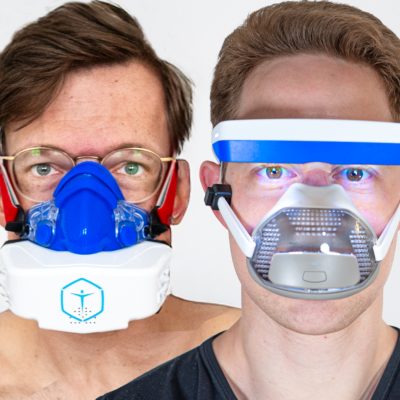
The 4 Types of Wearables! Epigenetic Aging & Peakspan vs Healthspan? (+ Enhanced Games) (Fit For Science Episode 7)
Shownotes
Rob and Stephan categorize the modern wearable landscape, explain the shift from epigenetic to proteomic aging clocks, and debate the ethical implications of the upcoming 2026 Enhanced Games.
📝Summary
In this episode, biological data scientists Rob and Stephan provide a systematic framework for navigating the wearable market by defining four distinct device categories: Sleep, Sports, Smartwatches, and Health, while highlighting the technical trade-offs between battery life, GPS robustness, and algorithmic precision. The discussion transitions into the cutting-edge science of biological aging, contrasting traditional epigenetic methylation clocks with emerging organ-specific proteomic models that offer greater interpretability and more actionable insights for disease prevention. They introduce the concept of Peakspan, a proposed metric for maintaining 90% of optimal physiological performance throughout life, and conclude with a deep dive into the 2026 Enhanced Games, exploring the transhumanist debate over the supervised use of performance-enhancing drugs in professional sports.
⏳Chapters
00:00:00 The Four Wearable Archetypes: Sleep, Sports, Smartwatch, and Health
00:11:53 Software vs. Hardware: Why Tech Giants Lead in Heart Rate Accuracy
00:24:54 Decoding Biological Age: Epigenetic Clocks and Methylation Patterns
00:40:59 The Proteomic Shift: Using Organ-Specific Clocks to Predict Morbidity
00:51:09 Beyond Healthspan: Defining Peakspan at the 90% Performance Threshold
01:03:14 Cognitive Aging: Fluid vs. Crystallized Intelligence
01:12:22 Enhanced Games 2026: The Transhumanist Future of Competitive Sports
📚Resources
Unfolded, the DNA in a single human cell is about 2 meters (6.5 feet) long, containing roughly 3 billion base pairs.
Steve Horvath's Epigenetic clock - Wikipedia
The first/original clock was actually based on DNA methylation levels in saliva, not blood.
DNA methylation GrimAge strongly predicts lifespan and healthspan - PMC
Protein-based organ aging clock research Tony Wyss-Coray, PhD
DunedinPACE, a DNA methylation biomarker of the pace of aging - PMC
Amazing TIME article about biological age (published after recording 16.01.2026) The Race to Measure How We Age | TIME
-omics: Proteomics & Genomics
Mayo Clinic Q and A: Lifespan vs. healthspan
Fluid and crystallized intelligence - Wikipedia
🎙️About
Fit For Science is a deep-dive podcast hosted by two biological data scientists, Rob and Stephan, exploring the intersection of research, health tech, and data-driven lifestyle design. The hosts provide evidence-based systems, layered with practical "N=2" personal experimentation, to cut through the noise in the health and fitness industry.
Learn more and subscribe on your favorite platforms:
⚠️Disclaimer: This podcast represents our own opinions and is for informational purposes only. It does not constitute medical or financial advice or a professional relationship.