

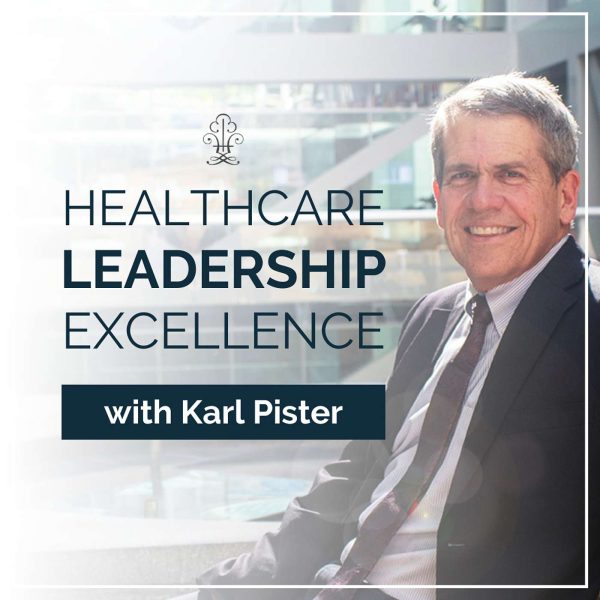
Healthcare Leadership Excellence
- Folgen
- 234
- Erscheint
- mehrmals pro Woche
- Letzte Folge
- 13. Nov. 2026
Über den Podcast
The Healthcare Leadership Excellence podcast was created to share valuable insights around leadership, communication, emotional intelligence and conflict resolution. Karl Pister, with over 30 years of coaching experience, is a passionate advocate of excellent and influential leadership. In each episode, Karl discusses real-life leadership challenges through the lenses of outstanding healthcare professionals. He is committed to empowering every healthcare leader lead with integrity, excellence, and inspiration.
Folgen 234
Episode 229: Why the Future of Leadership Is Human with Ernesto Gomez
In this episode, I welcome back Ernesto Gomez, author of The Soul Edge, for the first of a series of conversations about rethinking leadership in a world increasingly shaped by artificial intelligence.Ernesto …
Shownotes
In this episode, I welcome back Ernesto Gomez, author of The Soul Edge, for the first of a series of conversations about rethinking leadership in a world increasingly shaped by artificial intelligence.
Ernesto brings decades of experience leading large organizations, including overseeing human resources for a company with 43,000 employees. We discuss why the traditional approach of extracting performance through control, specialized knowledge, and pressure is becoming less effective, and why the future of leadership may depend on our ability to bring out the best in people.
We explore Ernesto's concept of regenerative performance, where leaders focus on building human capacity, creating alignment, and helping people find meaning in their work. As AI makes knowledge more accessible, Ernesto challenges leaders to think about how they can "outhuman" their competitors rather than simply out-automate them.
Our conversation also covers the human frontier, the importance of simplifying rather than multiplying initiatives, and Ernesto's Leadership Diamond framework, which encourages leaders to move beyond their familiar strengths and adapt to what each situation requires.
One question particularly stands out: Are the people you lead closer to reaching their full potential because of your leadership?
This is a thought-provoking conversation about moving beyond pressure-driven performance and creating organizations where both people and results can thrive.👉 Download The Leader’s Ultimate Guide to Difficult Conversations, a practical framework for entering difficult conversations with clarity, discipline, and influence.
👉 Who is Karl Pister?
👉 Follow us on LinkedIn.
👉 Contact us on our website.
👉 Subscribe to Karl's YouTube channel.Ready to level up your leadership skills? Sign up for The Coaching Group's leadership courses.
Episode 228: Navigating Conflict at Work with Audrey Lee
In this episode, I sit down with Audrey Lee, mediator at Boston Law Collaborative, lecturer at Harvard Law School, and author of Navigating Conflict at Work for a conversation about mediation, negotiation, and …
Shownotes
In this episode, I sit down with Audrey Lee, mediator at Boston Law Collaborative, lecturer at Harvard Law School, and author of Navigating Conflict at Work for a conversation about mediation, negotiation, and the skills leaders need to handle workplace conflict.
Audrey and I discuss why mediation is not just for legal disputes and how leaders are often acting as informal mediators without even realizing it. We explore the importance of looking beyond people's positions to understand their underlying interests, concerns, and motivations.
We also talk about the power of listening, curiosity, and relationships in resolving conflict. Audrey explains how the ladder of inference shapes the stories we tell ourselves, and why challenging our assumptions can open the door to more productive conversations.
Our discussion also covers the role of emotions, the importance of reframing difficult situations, and how leaders can recognize when it's time to bring in a professional mediator. Audrey shares practical advice on choosing the right mediator and understanding what mediation can realistically accomplish.
This conversation is a reminder that effective conflict resolution is not about having all the answers. It's about listening carefully, understanding what matters to people, and creating the conditions for them to move forward.👉 Download The Leader’s Ultimate Guide to Difficult Conversations, a practical framework for entering difficult conversations with clarity, discipline, and influence.
👉 Who is Karl Pister?
👉 Follow us on LinkedIn.
👉 Contact us on our website.
👉 Subscribe to Karl's YouTube channel.Ready to level up your leadership skills? Sign up for The Coaching Group's leadership courses.
Episode 227: The Mindset of High Performance with Jim Allenby
In this episode, I sit down with Jim Allenby, a former professional cricket player turned executive coach, to explore what it really takes to achieve high performance and how lessons from professional sports …
Shownotes
In this episode, I sit down with Jim Allenby, a former professional cricket player turned executive coach, to explore what it really takes to achieve high performance and how lessons from professional sports can help us become better leaders.
Jim shares insights from nearly 20 years in professional cricket and his transition into coaching athletes and business leaders. We discuss three important traits of high performers: the willingness to work hard without immediate rewards, the ability to accept critical feedback, and learning to enjoy the process of getting better.
We also explore a challenge many leaders face: managing people with different levels of ambition. Jim explains why not everyone wants to be a high performer, why that's not necessarily a problem, and how leaders can better invest their time and energy in developing their teams.
Our conversation also touches on managing egos, leading across generations, and the importance of addressing conflict early. Jim makes a compelling case for having small, honest disagreements before they become major problems.
This conversation is a reminder that great leadership isn't about expecting everyone to think or perform like you. It's about understanding what motivates people, recognizing their strengths, and creating an environment where they can do their best work.
👉 Download The Leader’s Ultimate Guide to Difficult Conversations, a practical framework for entering difficult conversations with clarity, discipline, and influence.
👉 Who is Karl Pister?
👉 Follow us on LinkedIn.
👉 Contact us on our website.
👉 Subscribe to Karl's YouTube channel.Ready to level up your leadership skills? Sign up for The Coaching Group's leadership courses.
Episode 226: The Power of Slowing Down with MaryCay Durrant
In this episode, I welcome back MaryCay Durrant for a conversation about something healthcare leaders often struggle to make time for: slowing down and building meaningful relationships with their teams.We …
Shownotes
In this episode, I welcome back MaryCay Durrant for a conversation about something healthcare leaders often struggle to make time for: slowing down and building meaningful relationships with their teams.
We discuss why even the most talented teams can struggle when people are constantly focused on getting things done. MaryCay shares how she uses nature and horses to help executive teams recognize patterns in their behavior, have difficult conversations, and build trust in ways that traditional meetings often cannot.
We also explore the hidden costs of constantly pushing forward without taking time to connect. When leaders overlook the human side of their organizations, they risk losing the energy, engagement, and commitment of the very people they depend on.
One of my favorite takeaways is MaryCay's concept of Return on Energy (ROE). Beyond measuring productivity and results, leaders need to pay attention to what gives their people energy and what drains it. Sometimes, a few minutes of intentional reflection can make a meaningful difference.
This conversation is a reminder that effective leadership doesn't always require complicated solutions. Sometimes, the most important thing we can do is slow down, listen, and make room for people to connect.👉 Download The Leader’s Ultimate Guide to Difficult Conversations, a practical framework for entering difficult conversations with clarity, discipline, and influence.
👉 Who is Karl Pister?
👉 Follow us on LinkedIn.
👉 Contact us on our website.
👉 Subscribe to Karl's YouTube channel.Ready to level up your leadership skills? Sign up for The Coaching Group's leadership courses.
Episode 225: Leading with Purpose, Not Titles with Dr. John D’Angelo
In this episode, I sit down with Dr. John D’Angelo, President and CEO of Northwell Health, one of the largest healthcare systems in the country, for a conversation about leadership, purpose, and making an …
Shownotes
In this episode, I sit down with Dr. John D’Angelo, President and CEO of Northwell Health, one of the largest healthcare systems in the country, for a conversation about leadership, purpose, and making an impact.
Dr. D’Angelo shares his journey from emergency medicine physician to leading an organization of 108,000 employees. We discuss why his career was never about chasing titles, but about finding opportunities to contribute, solve problems, and make a difference.
We also explore the lessons he learned leading through the COVID-19 pandemic, particularly the importance of making decisions with incomplete information, being comfortable with uncertainty, and knowing when to change course.
A significant part of our conversation focuses on organizational culture. Dr. D’Angelo explains why investing in people is not something leaders can afford to abandon during difficult times. We discuss how purpose, trust, and leadership presence influence employee engagement, retention, and ultimately patient care.
We close with practical advice for emerging leaders, including the importance of mentorship, executive coaching, continuous learning, and servant leadership. Dr. D’Angelo reminds us that great leadership is not about the position we hold, but the impact we have on the people we serve.👉 Download The Leader’s Ultimate Guide to Difficult Conversations, a practical framework for entering difficult conversations with clarity, discipline, and influence.
👉 Who is Karl Pister?
👉 Follow us on LinkedIn.
👉 Contact us on our website.
👉 Subscribe to Karl's YouTube channel.Ready to level up your leadership skills? Sign up for The Coaching Group's leadership courses.
Episode 224: From Expertise to Leadership with Frans Campher
In this episode, I sit down with Frans Campher, CEO and U.S. President of Integral Leadership Dynamics, executive coach, and author of The First Step, to discuss what it really takes to become an effective …
Shownotes
In this episode, I sit down with Frans Campher, CEO and U.S. President of Integral Leadership Dynamics, executive coach, and author of The First Step, to discuss what it really takes to become an effective leader.
With 28 years of experience leading and advising organizations such as Johnson & Johnson, GSK, Deloitte, BP, and Citibank, Frans brings a wealth of practical leadership insights. We discuss why moving from being an expert in your field to leading others requires a fundamental shift in mindset, from having all the answers to developing the people around you.
We also explore the challenges of leading through change. Frans explains why organizations often struggle when decisions are made without involving the people closest to the work. His advice is simple: slow down to speed up. Successful change requires listening, understanding concerns, and bringing people into the process.
Our conversation also touches on trust, authenticity, and organizational culture. Frans shares why leaders must first learn to trust themselves, how personal values influence emotional reactions, and why even the highest-performing employee can undermine an entire team when their behavior doesn't align with its culture.
We close with practical leadership habits that anyone can begin using today: listen to understand, ask better questions, and trust your own experience. It's a valuable reminder that leadership isn't about having all the answers. It's about creating an environment where others can grow, contribute, and succeed.👉 Download The Leader’s Ultimate Guide to Difficult Conversations, a practical framework for entering difficult conversations with clarity, discipline, and influence.
👉 Who is Karl Pister?
👉 Follow us on LinkedIn.
👉 Contact us on our website.
👉 Subscribe to Karl's YouTube channel.Ready to level up your leadership skills? Sign up for The Coaching Group's leadership courses.
Episode 223: Leading Change Without Creating Chaos with Dr. Diane Dye
In this episode, I sit down with Dr. Diane Dye, founder of People Risk Consulting, to discuss how leaders can approach change, innovation, and organizational challenges without creating unnecessary chaos.Dr …
Shownotes
In this episode, I sit down with Dr. Diane Dye, founder of People Risk Consulting, to discuss how leaders can approach change, innovation, and organizational challenges without creating unnecessary chaos.
Dr. Dye brings more than 20 years of leadership experience in high-stakes industries, including healthcare and behavioral health. We explore how some organizations turned the challenges of the COVID-19 pandemic into opportunities for growth, while others struggled to move beyond their traditional ways of operating.
We also discuss the difference between managing change and leading it. Dr. Dye introduces the concept of "change chaos" and explains how too many initiatives, poorly communicated decisions, and a lack of validation can overwhelm employees and undermine organizational performance.
Our conversation also turns to artificial intelligence and the importance of using AI as a thought partner rather than a replacement for human judgment. Dr. Dye shares her BRAVER model for approaching organizational change through better questions, research, experimentation, and a clear focus on results.
Throughout our discussion, one message stands out: effective leadership is not about introducing more change. It's about understanding the real problem, challenging assumptions, and making thoughtful decisions that improve outcomes for employees, patients, and the organization.👉 Download The Leader’s Ultimate Guide to Difficult Conversations, a practical framework for entering difficult conversations with clarity, discipline, and influence.
👉 Who is Karl Pister?
👉 Follow us on LinkedIn.
👉 Contact us on our website.
👉 Subscribe to Karl's YouTube channel.Ready to level up your leadership skills? Sign up for The Coaching Group's leadership courses.
Episode 222: Compassion, Conflict, and Creating a Career That Fits with Dr. Rob Orman
In this episode, I welcome back Dr. Rob Orman for another conversation about his book, Supranormal, and the mindset and practices that help healthcare professionals thrive in demanding careers.We begin by …
Shownotes
In this episode, I welcome back Dr. Rob Orman for another conversation about his book, Supranormal, and the mindset and practices that help healthcare professionals thrive in demanding careers.
We begin by exploring the difference between empathy and compassion, and why caring for others doesn't mean taking ownership of their outcomes. Dr. Orman introduces the drama triangle and explains how stepping outside the roles of hero, victim, and villain can lead to more productive conversations, particularly when emotions are running high.
We also discuss the importance of preparing ourselves mentally for difficult interactions. From practicing compassion and patience to recognizing when logic isn't what an emotional situation needs, Dr. Orman shares practical ways to respond more thoughtfully under pressure.
Our conversation then turns to career satisfaction and the idea of treating our work and lives as ongoing experiments. Rather than accepting a career exactly as it's handed to us, Dr. Orman encourages us to make intentional adjustments that better align with our needs, priorities, and values.
It's a thoughtful conversation about managing ourselves, caring for others, and creating a career that is not only sustainable but deeply fulfilling.👉 Download The Leader’s Ultimate Guide to Difficult Conversations, a practical framework for entering difficult conversations with clarity, discipline, and influence.
👉 Who is Karl Pister?
👉 Follow us on LinkedIn.
👉 Contact us on our website.
👉 Subscribe to Karl's YouTube channel.Ready to level up your leadership skills? Sign up for The Coaching Group's leadership courses.
Episode 221: Beyond the Conflict: Listening, Empathy, and Building Trust with Kim Best
In this episode, I welcome back Kim Best, founder of Best Conflict Solutions, for another conversation about the practical skills leaders need to navigate conflict and build stronger relationships.We explore …
Shownotes
In this episode, I welcome back Kim Best, founder of Best Conflict Solutions, for another conversation about the practical skills leaders need to navigate conflict and build stronger relationships.
We explore why finding common ground can be so difficult, especially when emotions are running high. Kim explains why leaders need to recognize the emotions behind people's reactions and how slowing down, listening, and asking better questions can prevent difficult conversations from escalating.
We also discuss the difference between listening and giving advice. Too often, leaders rush to solve problems before fully understanding them. Kim shares practical ways to listen more effectively, avoid labeling people as difficult, and create an environment where people feel heard and respected.
Our conversation also touches on the damage gossip can do to organizational trust, the importance of empathy in leadership, and how anger can reveal underlying concerns that need attention. We explore simple approaches to communicating more effectively, including finding constructive alternatives when saying no.
Throughout our discussion, one message becomes clear: conflict resolution is a skill that can be learned and strengthened through practice. Leaders who develop these skills are better equipped to build trust, improve collaboration, and guide their teams through challenging situations.
👉 Download The Leader’s Ultimate Guide to Difficult Conversations, a practical framework for entering difficult conversations with clarity, discipline, and influence.
👉 Who is Karl Pister?
👉 Follow us on LinkedIn.
👉 Contact us on our website.
👉 Subscribe to Karl's YouTube channel.Ready to level up your leadership skills? Sign up for The Coaching Group's leadership courses.
Episode 220: The Human Side of Leadership with Claudia Crist
In this episode, I sit down with Claudia Crist, a healthcare executive and leadership consultant with more than 30 years of experience, to discuss leading through change, building resilience, and creating …
Shownotes
In this episode, I sit down with Claudia Crist, a healthcare executive and leadership consultant with more than 30 years of experience, to discuss leading through change, building resilience, and creating workplaces where people want to stay.
Claudia shares lessons from her leadership journey, including navigating the challenges of COVID-19 while leading a mental health clinic in Hawaii. We discuss why constant change takes a toll on employees and how leaders can help their teams manage stress, uncertainty, and the pressures of today's workplace.
We also explore the challenges of transitioning from frontline employee to leadership. Claudia explains why promoting talented individuals without preparing them for leadership can lead to frustration, burnout, and turnover. She emphasizes the importance of mentorship, leadership development, and investing in people before problems arise.
A key part of our conversation focuses on employee engagement and retention. Claudia shares practical leadership practices, including spending time with employees, listening to their concerns, following through on commitments, and building trust across generations.
Our conversation is a reminder that strong organizations are built through consistent leadership practices, genuine relationships, and a commitment to helping people succeed.
👉 Download The Leader’s Ultimate Guide to Difficult Conversations, a practical framework for entering difficult conversations with clarity, discipline, and influence.
👉 Who is Karl Pister?
👉 Follow us on LinkedIn.
👉 Contact us on our website.
👉 Subscribe to Karl's YouTube channel.Ready to level up your leadership skills? Sign up for The Coaching Group's leadership courses.
Episode 219: Breaking Limiting Beliefs and Raising the Standard with Paul Martinelli
In this episode, I welcome my longtime mentor and coach, Paul Martinelli, for a conversation about personal growth, self-limiting beliefs, discipline, and leadership. Paul's influence on my own development …
Shownotes
In this episode, I welcome my longtime mentor and coach, Paul Martinelli, for a conversation about personal growth, self-limiting beliefs, discipline, and leadership. Paul's influence on my own development over the past decade has been significant, and I'm pleased to share some of his wisdom with our listeners.
We begin by exploring the beliefs that hold us back, including the inner critic Paul calls “Norm.” He explains how our self-image, past experiences, and fear of failure can quietly influence our decisions and keep us from reaching our potential.
We also discuss the seven levels of awareness and why recognizing the need for change is only the beginning. Paul shares how discipline, experience, and personal responsibility help us move beyond good intentions and turn growth into meaningful action.
Our conversation then turns to leadership, particularly the importance of setting and maintaining high standards. Paul explains why leadership is influence, why people need to feel heard before they will listen, and how addressing small issues early can prevent much larger problems.
Paul reminds us that growth requires more than knowledge or ambition. It takes a willingness to challenge our thinking, hold ourselves accountable, and consistently raise the standards we live and lead by.👉 Download The Leader’s Ultimate Guide to Difficult Conversations, a practical framework for entering difficult conversations with clarity, discipline, and influence.
👉 Who is Karl Pister?
👉 Follow us on LinkedIn.
👉 Contact us on our website.
👉 Subscribe to Karl's YouTube channel.Ready to level up your leadership skills? Sign up for The Coaching Group's leadership courses.
Episode 218: Building Superteams with Dr. Ron Friedman
In this episode, I sit down with Dr. Ron Friedman, social psychologist and author of Superteams, to explore what separates exceptional teams from average ones. His research, which surveyed more than 6,000 …
Shownotes
In this episode, I sit down with Dr. Ron Friedman, social psychologist and author of Superteams, to explore what separates exceptional teams from average ones. His research, which surveyed more than 6,000 workers, found that the strongest teams get more done, make one another better, and continuously look for ways to improve.
We discuss why experimentation and intelligent risk-taking are essential for growth, and how leaders can create an environment where mistakes become opportunities to learn rather than something people feel they need to hide.
Dr. Friedman also shares practical ideas for improving meetings, giving feedback, handling disagreement, and building stronger relationships across a team. A particularly useful question for leaders is simple: “Where are we stuck?” Instead of spending meetings reporting progress, teams can use that time to solve the problems that actually need attention.
We also talk about the importance of leaders rolling up their sleeves, supporting the growth of their people, creating space for focused thinking, and sharing credit with those whose contributions can easily go unnoticed.
This conversation is filled with research-backed ideas leaders can put into practice immediately to build teams that perform at a higher level while helping the people around them become better.👉 Download The Leader’s Ultimate Guide to Difficult Conversations, a practical framework for entering difficult conversations with clarity, discipline, and influence.
👉 Who is Karl Pister?
👉 Follow us on LinkedIn.
👉 Contact us on our website.
👉 Subscribe to Karl's YouTube channel.Ready to level up your leadership skills? Sign up for The Coaching Group's leadership courses.
Episode 217: Beyond the Surface: Better Conversations with Kim Best (Part 2)
In this episode, I welcome back Kim Best, founder of Best Conflict Solutions, for part two of our conversation on practical ways to navigate conflict. Kim brings decades of experience in healthcare, mediation …
Shownotes
In this episode, I welcome back Kim Best, founder of Best Conflict Solutions, for part two of our conversation on practical ways to navigate conflict. Kim brings decades of experience in healthcare, mediation, and conflict management, and we explore several ideas from her Conflict Conversation Cards.
We discuss why disagreement does not have to mean opposition, why people often avoid difficult conversations in the name of keeping the peace, and the importance of separating the person from the problem.
Kim also explains the “anger iceberg”—the idea that anger often sits on top of deeper feelings such as fear, rejection, overwhelm, or feeling unheard. We talk about slowing down long enough to understand what may actually be happening beneath someone’s reaction.
The conversation also explores the stories we create when we do not have all the information, our tendency to label people as difficult, and why listening requires more than simply waiting for our turn to speak.
We close with two especially important reminders: impact matters even when our intentions are good, and when we do not know someone’s motives, choosing a more generous assumption can protect both the relationship and the conversation.
It’s another practical conversation about becoming more thoughtful, curious, and disciplined when conflict shows up.
👉 Download The Leader’s Ultimate Guide to Difficult Conversations, a practical framework for entering difficult conversations with clarity, discipline, and influence.
👉 Who is Karl Pister?
👉 Follow us on LinkedIn.
👉 Contact us on our website.
👉 Subscribe to Karl's YouTube channel.Ready to level up your leadership skills? Sign up for The Coaching Group's leadership courses.
Episode 216: Evicting Doubt and Leading Through Conflict with Stan Lewis
In this episode, I sit down with Stan Lewis, former federal investigator and mediator and author of Evict the Doubts That Have Been Squatting Rent Free in Your Mind, for a conversation about servant leadership …
Shownotes
In this episode, I sit down with Stan Lewis, former federal investigator and mediator and author of Evict the Doubts That Have Been Squatting Rent Free in Your Mind, for a conversation about servant leadership, conflict, and the doubts that can keep leaders from moving forward.
Stan draws from nearly 700 mediated cases to explain why people become stuck in conflict. We discuss the importance of listening beyond the words, asking better questions, understanding different behavioral styles, and helping people focus less on being right and more on finding a path forward.
We also explore what servant leadership really looks like. It isn't about being soft or avoiding accountability. It is about showing people that you are for them, supporting them, and creating an environment where they can do their best work.
Our conversation closes with an issue I see frequently in healthcare: talented people being promoted into leadership without being taught how to lead. Stan shares why leadership training, coaching conversations, and intentionally supporting your people matter when moving from colleague to leader.
This is a practical conversation about addressing conflict, moving beyond self-doubt, and becoming the kind of leader people know is genuinely in their corner.👉 Download The Leader’s Ultimate Guide to Difficult Conversations, a practical framework for entering difficult conversations with clarity, discipline, and influence.
👉 Who is Karl Pister?
👉 Follow us on LinkedIn.
👉 Contact us on our website.
👉 Subscribe to Karl's YouTube channel.Ready to level up your leadership skills? Sign up for The Coaching Group's leadership courses.
Episode 215: Slow Down to Lead Better with Dr. Brandon Fielding
In this episode, I sit down with Dr. Brandon Fielding to explore the connection between how leaders think, react, and interact with the people around them.Dr. Fielding brings experience in psychotherapy …
Shownotes
In this episode, I sit down with Dr. Brandon Fielding to explore the connection between how leaders think, react, and interact with the people around them.
Dr. Fielding brings experience in psychotherapy, executive coaching, and organizational leadership. We discuss how that clinical background helps him recognize the patterns that can influence a leader’s behavior, while keeping coaching focused on performance, relationships, and growth.
We also explore what happens when leaders move outside their “window of tolerance.” Dr. Fielding explains how stress and perceived threats can push us toward reaction instead of thoughtful action and why learning to recognize those signals and slow down can make us more effective leaders.
Our conversation turns to new leaders, particularly in healthcare, who are promoted because they are exceptional at their craft but suddenly find themselves needing an entirely different set of skills. Awareness, emotional regulation, trust, and the ability to navigate difficult conversations become just as important as technical expertise.
Dr. Fielding leaves us with two practical reminders: slow down and set boundaries. Leadership is not about managing everyone else’s emotions. It starts with managing your own response so you can show up with greater clarity and intention.👉 Download The Leader’s Ultimate Guide to Difficult Conversations, a practical framework for entering difficult conversations with clarity, discipline, and influence.
👉 Who is Karl Pister?
👉 Follow us on LinkedIn.
👉 Contact us on our website.
👉 Subscribe to Karl's YouTube channel.Ready to level up your leadership skills? Sign up for The Coaching Group's leadership courses.
Episode 214: The Human Side of Leadership with Dr. Larry Kuhn
In this episode, I sit down with Dr. Larry Kuhn to explore what happens when strong business thinking meets a deeper understanding of people.Larry shares his journey from growing up on an Indiana dairy farm to …
Shownotes
In this episode, I sit down with Dr. Larry Kuhn to explore what happens when strong business thinking meets a deeper understanding of people.
Larry shares his journey from growing up on an Indiana dairy farm to becoming a CFO, and eventually making a major career change to become a clinical psychologist. That combination of business, data, and psychology has shaped how he approaches leadership today.
We talk about the importance of insight—understanding yourself, becoming curious about how others experience you, and recognizing the patterns that influence behavior and relationships.
Larry also shares a memorable lesson from his father about plowing a straight row: instead of constantly looking backward, focus on a point ahead and let it guide you forward. It’s a simple but powerful lesson about leadership, vision, and helping people move toward something rather than pushing them there.
We also discuss workplace culture, the relationship between supervisors and employees, and why great leadership requires more than competence. As Larry explains, it takes theory, technique, and heart.
This conversation is a reminder that leadership is not only about results. It’s about understanding people and creating the relationships that help them grow.👉 Download The Leader’s Ultimate Guide to Difficult Conversations, a practical framework for entering difficult conversations with clarity, discipline, and influence.
👉 Who is Karl Pister?
👉 Follow us on LinkedIn.
👉 Contact us on our website.
👉 Subscribe to Karl's YouTube channel.Ready to level up your leadership skills? Sign up for The Coaching Group's leadership courses.
Episode 213: Building a Sustainable Career in Medicine with Dr. Rob Orman
In this episode, I welcome Dr. Rob Orman back to the podcast to talk about his new book, Supranormal, and the realities of building a sustainable career in medicine.Rob shares his own experience as an emergency …
Shownotes
In this episode, I welcome Dr. Rob Orman back to the podcast to talk about his new book, Supranormal, and the realities of building a sustainable career in medicine.
Rob shares his own experience as an emergency physician and the struggles he faced early in his career. We discuss why the same grit that helps physicians survive high-pressure situations can become a problem when it becomes the answer to everything. As Rob puts it, “In crisis, grit saves you. In burnout, it buries you.”
We explore the difference between having a “renter” versus an “owner” mindset toward your career, and why creating a fulfilling professional life often requires subtraction rather than simply adding more. Rob also explains the idea of a “plus one”, something outside clinical work that brings energy, meaning, and greater career longevity.
Our conversation then turns to conflict. Rob shares practical ways leaders can replace defensiveness with curiosity, including the simple question, “Tell me what you’re thinking.” We also discuss the 10% rule: looking for the part of another person’s idea that has value instead of immediately judging or dismissing it.
This conversation is a reminder that resilience is not simply about pushing harder. Sometimes the better path is to slow down, become curious, create better boundaries, and intentionally build a career and a life that can last.👉 Download The Leader’s Ultimate Guide to Difficult Conversations, a practical framework for entering difficult conversations with clarity, discipline, and influence.
👉 Who is Karl Pister?
👉 Follow us on LinkedIn.
👉 Contact us on our website.
👉 Subscribe to Karl's YouTube channel.Ready to level up your leadership skills? Sign up for The Coaching Group's leadership courses.
Episode 212: Becoming Conflict Competent with Kim Best (Part 1)
In this episode, I sit down with Kim Best, founder and president of Best Conflict Solutions, to talk about something many leaders would rather avoid: conflict.Kim shares her path from working as a critical care …
Shownotes
In this episode, I sit down with Kim Best, founder and president of Best Conflict Solutions, to talk about something many leaders would rather avoid: conflict.
Kim shares her path from working as a critical care and emergency room nurse to becoming a mediator and conflict management expert. We discuss why conflict can feel so threatening, why our past experiences shape the stories we tell ourselves about other people, and how the “ladder of inference” can cause us to reach conclusions before we fully understand what is happening.
We also talk about broken trust, difficult workplace relationships, and the importance of separating the person from the problem. Kim explains why moving forward does not mean ignoring what happened in the past, but it means understanding it, learning from it, and getting clear about what needs to change.
Our conversation also explores the role of HR and why organizations need to build conflict competence instead of expecting HR to solve every disagreement.
A key takeaway from our conversation is simple: conflict is normal. The goal is not to eliminate it. The goal is to develop the skills to handle it well.
For leaders, especially those working in healthcare, technical expertise can only take you so far. The ability to navigate conflict, preserve relationships, and have productive conversations is a leadership skill that matters just as much.👉 Download The Leader’s Ultimate Guide to Difficult Conversations, a practical framework for entering difficult conversations with clarity, discipline, and influence.
👉 Who is Karl Pister?
👉 Follow us on LinkedIn.
👉 Contact us on our website.
👉 Subscribe to Karl's YouTube channel.Ready to level up your leadership skills? Sign up for The Coaching Group's leadership courses.
Episode 211: The Leadership Gaps Holding Organizations Back with Lorraine Armijos
In this episode, I sit down with returning guest Lorraine Armijos, founder of LAR Insights, for a conversation about strengthening organizational systems and developing the leaders responsible for making them …
Shownotes
In this episode, I sit down with returning guest Lorraine Armijos, founder of LAR Insights, for a conversation about strengthening organizational systems and developing the leaders responsible for making them work.
Lorraine shares four gaps she commonly sees inside organizations: clarity, visibility, capability, and rhythm. We discuss how these gaps can create silos, unclear expectations, stalled progress, and teams that are working hard without always knowing what success looks like.
We also explore what happens when high-performing individual contributors are promoted into leadership roles without the development they need. Being an excellent nurse, physician, therapist, or technical professional does not automatically prepare someone to lead people. New leaders need support in delegation, feedback, difficult conversations, accountability, and understanding how their role contributes to the larger organization.
Our conversation also touches on the balance between micromanagement and being too hands-off, the importance of meaningful check-ins, and why leaders need to get out from behind their desks and understand what is actually happening on the front lines.
This conversation is a reminder that developing strong leaders and building effective systems have to happen together. When organizations invest in both, they create greater clarity, stronger teams, and a better foundation for lasting success.👉 Download The Leader’s Ultimate Guide to Difficult Conversations, a practical framework for entering difficult conversations with clarity, discipline, and influence.
👉 Who is Karl Pister?
👉 Follow us on LinkedIn.
👉 Contact us on our website.
👉 Subscribe to Karl's YouTube channel.Ready to level up your leadership skills? Sign up for The Coaching Group's leadership courses.
Episode 210: The Power of Believing in People with Shandy Welch
In this episode, I welcome Shandy Welch back to the Healthcare Leadership Excellence Podcast for a conversation about work ethic and what leaders can do to help people develop it.Shandy shares the story of …
Shownotes
In this episode, I welcome Shandy Welch back to the Healthcare Leadership Excellence Podcast for a conversation about work ethic and what leaders can do to help people develop it.
Shandy shares the story of spending her summers at Elk Creek Ranch in Wyoming and the influence of Hap Ridgeway, who challenged her as a teenager to help build a mile-long fence. What stayed with her was not the fence itself, but having someone believe she was capable of doing something difficult before she necessarily believed it herself.
We discuss how that same principle applies in the workplace. Leaders can set high expectations, but expectations alone are not enough. People need to feel valued, heard, acknowledged, and connected to something greater than themselves.
Shandy also shares why leaders need to slow down and invest time in relationships. When she began developing a total joint program at a hospital, she spent her first two months getting to know the people, teams, and surgeons before seeing a single patient. That investment created the trust and understanding needed to build something successful.
The conversation is a reminder that developing work ethic is not simply about asking people to work harder. It is about knowing your people, believing in their potential, giving them meaningful challenges, and creating the kind of relationship that makes them willing to take those challenges on.👉 Download The Leader’s Ultimate Guide to Difficult Conversations, a practical framework for entering difficult conversations with clarity, discipline, and influence.
👉 Who is Karl Pister?
👉 Follow us on LinkedIn.
👉 Contact us on our website.
👉 Subscribe to Karl's YouTube channel.Ready to level up your leadership skills? Sign up for The Coaching Group's leadership courses.
Episode 209: The Forgotten Art of Healing with Dr. Alan Cohen
In this episode, I sit down with Dr. Alan Cohen, pediatric neurosurgeon and author of Comfort Always, for a conversation about the balance between extraordinary medical skill and the human side of healing.Dr …
Shownotes
In this episode, I sit down with Dr. Alan Cohen, pediatric neurosurgeon and author of Comfort Always, for a conversation about the balance between extraordinary medical skill and the human side of healing.
Dr. Cohen shares lessons from four decades of caring for children and families facing some of the most difficult diagnoses imaginable. We discuss why technology can treat disease, but kindness, compassion, humor, honesty, and hope remain essential to healing the patient and supporting the entire family.
We also explore humility in leadership. Dr. Cohen explains why he works to flatten the hierarchy in the operating room, create an environment where everyone can speak up, and remind even the most accomplished physicians that confidence and arrogance are very different things.
Our conversation also touches on uncertainty, artificial intelligence, surgical judgment, and the importance of remaining curious and observant. Despite remarkable advances in medicine, Dr. Cohen reminds us that sometimes the most important thing a physician—or a leader—can do is slow down, listen, and see the person in front of them.
This conversation goes well beyond medicine. It is a powerful reminder that leadership is ultimately about people, and that no act of kindness, no matter how small, is ever wasted.👉 Download The Leader’s Ultimate Guide to Difficult Conversations, a practical framework for entering difficult conversations with clarity, discipline, and influence.
👉 Who is Karl Pister?
👉 Follow us on LinkedIn.
👉 Contact us on our website.
👉 Subscribe to Karl's YouTube channel.Ready to level up your leadership skills? Sign up for The Coaching Group's leadership courses.
Episode 208: Building a Culture Where Healthcare Leaders Stay and Thrive with Dr. Jamie Hardy (Part 2)
In this episode, I welcome Dr. Jamie Hardy back to the Healthcare Leadership Excellence Podcast for a second conversation, this time focused on organizational well-being, leadership retention, and creating …
Shownotes
In this episode, I welcome Dr. Jamie Hardy back to the Healthcare Leadership Excellence Podcast for a second conversation, this time focused on organizational well-being, leadership retention, and creating cultures where talented people want to stay.
Dr. Jamie and I discuss why well-being has to go far beyond wellness perks, gym memberships, or programs. When physicians, nurses, and leaders feel depleted, unheard, or disconnected from decision-making, organizations risk losing not only great people but also their experience, relationships, and institutional knowledge.
We explore the divide that can develop between administration and frontline clinicians and why meaningful collaboration has to begin before major decisions are made. Dr. Jamie shares how leaders can listen more effectively, gather honest feedback, and move beyond the mindset of, “We already tried that.”
We also talk about rebuilding trust after difficult organizational experiences. Through several real-world scenarios, Dr. Jamie demonstrates the power of listening, reflecting back what you have heard, and asking a simple but important question: What would make this feel worth it for you?
A key takeaway from our conversation is that retaining great people requires more than asking them to stay. Leaders have to create environments where people feel heard, valued, respected, and able to do excellent work without being chronically depleted.
This is a practical conversation about culture, trust, collaboration, and what healthcare organizations can do differently to keep their best people and help them thrive.👉 Download The Leader’s Ultimate Guide to Difficult Conversations, a practical framework for entering difficult conversations with clarity, discipline, and influence.
👉 Who is Karl Pister?
👉 Follow us on LinkedIn.
👉 Contact us on our website.
👉 Subscribe to Karl's YouTube channel.Ready to level up your leadership skills? Sign up for The Coaching Group's leadership courses.
Episode 207: Leading Yourself Before You Lead Others with Dr. Jamie Hardy (Part 1)
In this episode, I sit down with Dr. Jamie Hardy, a pharmacist, speaker, and wellbeing strategist known as the “Lifestyle Pharmacist,” to explore what happens when high-performing healthcare leaders spend too …
Shownotes
In this episode, I sit down with Dr. Jamie Hardy, a pharmacist, speaker, and wellbeing strategist known as the “Lifestyle Pharmacist,” to explore what happens when high-performing healthcare leaders spend too long operating under constant stress.
Dr. Jamie shares her own wake-up call: experiencing what she thought was a heart attack while sitting at her desk in the hospital. Although her heart was fine, the experience forced her to recognize that while she was helping lead others, she had stopped effectively leading herself.
We discuss what chronic stress does to the body and brain, including how prolonged elevations in cortisol and adrenaline can affect judgment, empathy, decision-making, and performance. More importantly, Dr. Jamie explains why leaders cannot simply push through depletion indefinitely.
She also shares practical ways leaders can begin taking better care of themselves without completely overhauling their lives—from how they spend the first 60 to 90 minutes of the morning to hydration, movement, nutrition, strategic rest, and building habits that actually last.
A key takeaway from our conversation is simple: leadership starts with self-leadership. If we expect ourselves to consistently show up for our teams, organizations, and patients, we have to build systems that allow us to perform without continually depleting ourselves.
And this conversation is only the beginning. Dr. Jamie will return for part two, where we’ll move beyond individual wellbeing and explore what organizations can do to create healthier, more sustainable cultures for their leaders and teams.
👉 Download The Leader’s Ultimate Guide to Difficult Conversations, a practical framework for entering difficult conversations with clarity, discipline, and influence.
👉 Who is Karl Pister?
👉 Follow us on LinkedIn.
👉 Contact us on our website.
👉 Subscribe to Karl's YouTube channel.Ready to level up your leadership skills? Sign up for The Coaching Group's leadership courses.
Episode 206: From Peer to Leader with Mitchell Jeffery
In this episode, I sit down with Mitchell Jeffery, founder of The Ember Collective, to discuss one of the most difficult transitions in healthcare leadership: moving from being a respected peer to becoming the …
Shownotes
In this episode, I sit down with Mitchell Jeffery, founder of The Ember Collective, to discuss one of the most difficult transitions in healthcare leadership: moving from being a respected peer to becoming the leader of the team. Drawing from his background in behavioral health, HR, and organizational development, Mitchell shares practical advice for new and experienced leaders who want to build trust while leading effectively.
We explore why technical expertise alone is not enough to lead people well. Mitchell explains the shift from tactical thinking to strategic leadership and why the best clinicians are not always the best managers. He offers practical strategies for earning credibility, finding mentors, and developing the interpersonal skills that leadership requires.
A highlight of the conversation is Mitchell's memorable "What Car Does She Drive?" principle. A simple but powerful reminder that leaders must genuinely know the people they work with. We discuss how curiosity, empathy, and authentic relationships can transform difficult working relationships and create stronger, more trusting teams.
We also dive into topics including organizational culture, employee experience, performance reviews, conflict conversations, communication breakdowns in healthcare, and why asking thoughtful questions often leads to better leadership than rushing to conclusions. Throughout the conversation, Mitchell reminds us that great leadership is ultimately about making work better for the people we lead while creating an environment where both individuals and organizations can thrive.👉 Download The Leader’s Ultimate Guide to Difficult Conversations, a practical framework for entering difficult conversations with clarity, discipline, and influence.
👉 Who is Karl Pister?
👉 Follow us on LinkedIn.
👉 Contact us on our website.
👉 Subscribe to Karl's YouTube channel.Ready to level up your leadership skills? Sign up for The Coaching Group's leadership courses.
Episode 205: Why Great Patient Experiences Begin with Great Leadership with Melissa Gilkes-Smith
In this episode, I sit down with Melissa Gilkes-Smith, healthcare operations consultant, doctoral candidate, and founder of The Focused Leader, to explore what truly shapes the patient experience and why it …
Shownotes
In this episode, I sit down with Melissa Gilkes-Smith, healthcare operations consultant, doctoral candidate, and founder of The Focused Leader, to explore what truly shapes the patient experience and why it starts long before a patient enters the exam room. With more than 20 years of healthcare leadership experience, Melissa shares practical insights on improving operations while creating cultures where both patients and employees thrive.
We discuss the importance of understanding the entire patient journey, from the first online search to the final bill, and why leaders must look beyond satisfaction scores to identify the moments that matter most. Melissa explains how small operational issues often have a greater impact on patient perceptions than the quality of clinical care itself.
Our conversation also focuses on leadership development in healthcare. We talk about the challenges clinicians face when they transition into leadership roles, the difficulty of managing former peers, and why organizations need to invest intentionally in developing leaders rather than assuming clinical excellence automatically translates into leadership success.
Finally, we explore the connection between employee experience and patient experience, discussing why culture, emotional intelligence, recognition, and effective conflict management are essential for building engaged teams that consistently deliver exceptional care. Melissa also shares the philosophy behind her Focused Leader coaching program and her passion for helping emerging healthcare leaders grow with confidence.👉 Download The Leader’s Ultimate Guide to Difficult Conversations, a practical framework for entering difficult conversations with clarity, discipline, and influence.
👉 Who is Karl Pister?
👉 Follow us on LinkedIn.
👉 Contact us on our website.
👉 Subscribe to Karl's YouTube channel.Ready to level up your leadership skills? Sign up for The Coaching Group's leadership courses.
Episode 204: Nature's Wisdom for Better Leadership with MaryCay Durrant
In this episode, I sit down with MaryCay Durrant to explore an unconventional but deeply practical approach to leadership. Drawing from decades of experience in Fortune 100 companies, MaryCay shares how nature …
Shownotes
In this episode, I sit down with MaryCay Durrant to explore an unconventional but deeply practical approach to leadership. Drawing from decades of experience in Fortune 100 companies, MaryCay shares how nature provides a powerful framework for leading people through change, building trust, and creating healthier organizations.
We discuss why many workplaces continue to operate like machines, even though people are living, dynamic systems that thrive through connection, purpose, and relationships. MaryCay introduces her Return on Energy (ROE) framework, challenging leaders to think beyond productivity and instead consider how their leadership either restores or depletes the people around them.
Our conversation also explores lessons from nature and horses, including the importance of trust, healthy pressure, creating space for reflection, and understanding that meaningful growth often happens through small, intentional changes rather than dramatic transformations. MaryCay explains why the strongest leaders are not those who control the most, but those who remain grounded, consistent, and connected under pressure.
A key takeaway is that leadership is less about pushing people harder and more about creating the conditions where people can do their best work. By learning from the patterns found throughout nature, leaders can build organizations that are more resilient, more innovative, and ultimately more human.👉 Download The Leader’s Ultimate Guide to Difficult Conversations, a practical framework for entering difficult conversations with clarity, discipline, and influence.
👉 Who is Karl Pister?
👉 Follow us on LinkedIn.
👉 Contact us on our website.
👉 Subscribe to Karl's YouTube channel.Ready to level up your leadership skills? Sign up for The Coaching Group's leadership courses.
Episode 203: Data, AI, and Keeping People at the Center with Adeste Sipin
In this episode, I sit down with Adeste Sipin, Director of Academic Support at the Kirk Kerkorian School of Medicine at UNLV, to explore an important leadership challenge: how to use data and artificial …
Shownotes
In this episode, I sit down with Adeste Sipin, Director of Academic Support at the Kirk Kerkorian School of Medicine at UNLV, to explore an important leadership challenge: how to use data and artificial intelligence without losing sight of the people behind the numbers.
Adeste shares how he built an academic support program from the ground up by listening first to students, understanding their experiences, and using data to guide better decisions rather than define a person's worth. We discuss why failure should be viewed as information rather than identity, and why metrics should always serve the mission instead of replacing it.
We also dive into the growing role of AI in education and leadership. Adeste explains how he's teaching future physicians to use AI as a thinking partner rather than a shortcut, helping them develop stronger reasoning, better questions, and deeper self-awareness instead of simply accepting answers.
A key takeaway is that great leaders balance accountability with genuine care. Data provides direction, but understanding the story behind the data is what allows leaders to coach, develop, and help people reach their full potential. Throughout our conversation, Adeste reminds us that every metric represents a person, and leadership is at its best when we never lose sight of that.👉 Download The Leader’s Ultimate Guide to Difficult Conversations, a practical framework for entering difficult conversations with clarity, discipline, and influence.
👉 Who is Karl Pister?
👉 Follow us on LinkedIn.
👉 Contact us on our website.
👉 Subscribe to Karl's YouTube channel.Ready to level up your leadership skills? Sign up for The Coaching Group's leadership courses.
Episode 202: Leading Innovation Through Humility and Healthcare Transformation with Lon Hecht
In this episode, I sit down with Lon Hecht, CEO of Care2You, to discuss what it takes to lead innovation in healthcare while staying grounded in humility, ethics, and service. Drawing on nearly 30 years of …
Shownotes
In this episode, I sit down with Lon Hecht, CEO of Care2You, to discuss what it takes to lead innovation in healthcare while staying grounded in humility, ethics, and service. Drawing on nearly 30 years of experience across pharmaceuticals, medical devices, healthcare services, and executive leadership, Lon shares lessons from leading one of healthcare's most innovative care delivery models.
We explore how Care2You is bringing emergency department and hospital-level care directly into patients' homes, improving access, reducing costs, and creating better experiences for patients, providers, insurers, and hospitals alike. Lon explains why solving healthcare's biggest challenges requires creating value for every stakeholder, not just one.
Our conversation also turns to leadership. Lon reflects on becoming a CEO, the importance of knowing both your strengths and your limitations, and why great leaders surround themselves with people whose expertise complements their own. He emphasizes that humility is not a weakness but one of the foundations of effective leadership.
We also discuss innovation, creative problem solving, and the growing role of artificial intelligence. Rather than allowing AI to replace critical thinking, Lon believes leaders should use it as a thought partner while continuing to develop their own judgment and decision-making skills. Finally, we discuss conflict, ethical leadership, and the guiding principles that have shaped his career, including kindness, transparency, accountability, and doing what is right even when it is difficult.👉 Download The Leader’s Ultimate Guide to Difficult Conversations, a practical framework for entering difficult conversations with clarity, discipline, and influence.
👉 Who is Karl Pister?
👉 Follow us on LinkedIn.
👉 Contact us on our website.
👉 Subscribe to Karl's YouTube channel.Ready to level up your leadership skills? Sign up for The Coaching Group's leadership courses.
Episode 201: Navigating Ethics, Leadership, and Difficult Decisions in Healthcare with Dr. Deborah Kozik and Dr. Jason Kuhl
In this episode, I sit down with Dr. Deborah Kozik, pediatric cardiac surgeon and bioethics expert, alongside returning guest Dr. Jason Kuhl, Chief Medical Officer and family physician, to explore the ethical …
Shownotes
In this episode, I sit down with Dr. Deborah Kozik, pediatric cardiac surgeon and bioethics expert, alongside returning guest Dr. Jason Kuhl, Chief Medical Officer and family physician, to explore the ethical challenges healthcare leaders face when there are no clear or easy answers.
We discuss how clinicians balance patient care, family wishes, professional judgment, and organizational realities in high-pressure situations. Through real clinical cases, Dr. Kozik and Dr. Kuhl share how thoughtful collaboration, open communication, and ethical reasoning help guide difficult decisions when lives are at stake.
We also explore moral distress, the importance of psychological safety within healthcare teams, and why leaders must create environments where people feel safe to speak up, question decisions, and learn without blame. The conversation highlights how slowing down, listening carefully, and bringing together diverse perspectives often leads to better outcomes for both patients and care teams.
A key takeaway is that ethical leadership is not about having all the answers. It is about making the best possible decision with the information available, remaining grounded in your values, and having the courage to reflect, learn, and improve after every difficult situation.👉 Download The Leader’s Ultimate Guide to Difficult Conversations, a practical framework for entering difficult conversations with clarity, discipline, and influence.
👉 Who is Karl Pister?
👉 Follow us on LinkedIn.
👉 Have access to leadership materials that will level up your game.
👉 Contact us on our website.
👉 Subscribe to Karl's YouTube channel.Ready to level up your leadership skills? Sign up for The Coaching Group's leadership courses.
Episode 200: Leadership, Culture, and the Future of Healthcare with Dr. Britt Berrett
For this special 200th episode of the Healthcare Leadership Excellence Podcast, I welcome back Dr. Britt Berrett, Managing Director of the Healthcare Leadership Program at Brigham Young University and one of …
Shownotes
For this special 200th episode of the Healthcare Leadership Excellence Podcast, I welcome back Dr. Britt Berrett, Managing Director of the Healthcare Leadership Program at Brigham Young University and one of the earliest guests on the podcast. Over the past several years, Dr. Berrett’s insights on leadership, culture, and organizational transformation have continued to shape how I think about healthcare and the leaders who serve within it.
We begin by discussing the state of healthcare today and the mission of the Healthcare Leadership Program at BYU. Dr. Berrett shares why he believes this is one of the most exciting periods in healthcare history and how leaders can navigate change by focusing on people, purpose, and service.
Drawing from his experience leading major healthcare organizations, Dr. Berrett reflects on the transformation of a struggling Texas hospital that went from a toxic work environment to becoming one of the top-performing hospitals in the country. We explore the leadership principles behind that turnaround, including building trust, investing in employees, creating accountability, and developing future leaders.
We also discuss the ideas behind his bestselling book, Patients Come Second, and why exceptional patient care begins with creating exceptional teams. Dr. Berrett explains how leadership culture directly influences organizational outcomes and why leaders must balance compassion with the courage to address toxic behaviors that undermine performance.
Another key theme is the future of healthcare leadership. We talk about the next generation entering the profession, the opportunities created by innovation and technology, and why Dr. Berrett remains optimistic about the future despite the challenges facing healthcare organizations today.
As we celebrate this 200th episode, there could be few guests more fitting for the conversation. Dr. Berrett brings together experience, humility, and a deep belief in the power of leadership to shape organizations, develop people, and improve the future of healthcare.👉 Download The Leader’s Ultimate Guide to Difficult Conversations, a practical framework for entering difficult conversations with clarity, discipline, and influence.
👉 Who is Karl Pister?
👉 Follow us on LinkedIn.
👉 Have access to leadership materials that will level up your game.
👉 Contact us on our website.
👉 Subscribe to Karl's YouTube channel.Ready to level up your leadership skills? Sign up for The Coaching Group's leadership courses.
Hier stehen die neuesten 40 von 234 Folgen. Ältere Folgen findest du im Feed des Podcasts.
Ähnliche Podcasts
Mehr Bildung-Podcasts





Ist das dein Podcast?
Bestätige es mit einem Eintrag in deinem Feed: Du bekommst hier einen Code, trägst ihn als podcast:txt in den Kanal deines Feeds ein, und wir prüfen ihn. Danach steht dein Podcast als „verifiziert“ bei SoundNode.