

Daily Jewish Thought
- Episódios
- 1.207
- Publicação
- semanal
- Último episódio
- 15 out 2026
Sobre o podcast
Thoughts on spirituality, Kabbalah, Jewish thought, Judaism and Relationships. Rabbi Yisroel Bernath is the Senior Rabbi at Rohr Chabad of NDG and the Director of Chabad on Campus at Concordia University in Montreal, Canada. Cherished for his incredible warmth and non-judgmental personality, this hipster is not your typical rabbi. In 2012, Rabbi Bernath founded the smashing success JMatchmaking International, a network of Jewish dating sites. He has made 104 matches (that he knows of) to date! In addition to being a matchmaker and dating coach, Rabbi Bernath is also the author of three books, and continuously produces engaging content on his many social media & podcast platforms. As a professional voice-over artist, screen-writer, and actor, he has been a part of dozens of productions, including the hit CBC Documentary "Kosher Love".
Participantes
Episódios 1.207
From Loss to Hope: October 7, Three Years Later — The Jewish Courage to Keep Building | Keynote Address West Island Community Memorial Event
Keynote Address by Rabbi Yisroel Bernath | West Island Community Memorial Event | Beth Tikvah, Montreal | October 2026Three years after October 7, how do we honour the people we have lost, carry the pain that …
Notas do episódio
Keynote Address by Rabbi Yisroel Bernath | West Island Community Memorial Event | Beth Tikvah, Montreal | October 2026
Three years after October 7, how do we honour the people we have lost, carry the pain that remains, and still find the courage to hope?
In this deeply personal and moving keynote address, Rabbi Yisroel Bernath reflects on his journey to Israel just two weeks after the October 7 attacks, arriving with 27 duffel bags of essential supplies and hundreds of handwritten letters from Montreal children. Through unforgettable encounters with grieving families, Israeli soldiers, and ordinary people displaying extraordinary courage, he discovers that hope is not the absence of grief or fear. It is the determination to keep showing up, loving, and building despite them.
Drawing on the Lubavitcher Rebbe's response to the 1956 Kfar Chabad tragedy and the biblical image of Rachel weeping for her children, Rabbi Bernath explores the uniquely Jewish understanding of resilience: we do not abandon our grief, nor do we allow it to have the final word.
At its heart, this address asks a profound question: Will the next generation inherit only the story of what was done to the Jewish people, or will they also inherit the story of what we chose to do next?
A powerful invitation to transform mourning into meaning, isolation into connection, and heartbreak into renewed Jewish life.
Because now, more than ever, hope matters.
Key Points
1. Hope Is Not the Opposite of Grief. We do not move on from those we love. We move forward with them, carrying their memory into the future.
2. Hope Is Knowing Something Matters More Than Fear. From reservists returning to Israel to families making Aliyah during wartime, courage emerges not from fearlessness but from purpose.
3. Sometimes Presence Is the Greatest Gift. When words cannot heal someone's pain, a hug, a handwritten letter, or simply saying "I'm here with you" can restore a sense of connection and belonging.
4. The Jewish Response to Destruction Is Construction. Following the 1956 Kfar Chabad massacre, the Rebbe taught, B'hemshech habinyan tinacheimu, "Through continuing to build, you will be comforted." We answer attempts to destroy Jewish life by creating more Jewish life.
5. Rachel's Tears Teach Us That Grief and Hope Can Coexist. The prophet Jeremiah first acknowledges Rachel's inconsolable tears before offering G-d's promise: V'yesh tikvah l'achariteich - "There is hope for your future."
6. We Cannot Change What Happened, but We Can Choose What Happens Next. October 7 is a permanent chapter of Jewish history, but it does not get to write the ending.
7. Our Greatest Legacy Is What We Build Next. Through mitzvot, Shabbat, Jewish education, kindness, community, and proud Jewish identity, we ensure that future generations inherit not only our trauma but also our resilience.
"We did not choose October 7. We did not choose what was written on that page. But we can choose what gets written next."- Rabbi Yisroel BernathGot your own question for Rabbi Bernath? He can be reached at [email protected] or http://www.theloverabbi.com
Single? You can make a profile on www.JMontreal.com and Rabbi Bernath will help you find that special someone.
Donate and support Rabbi Bernath’s work http://www.jewishndg.com/donate
Follow Rabbi Bernath’s YouTube Channel https://www.youtube.com/user/ybernath
Access Rabbi Bernath's Articles on Relationships https://medium.com/@loverabbiWhat Will Live Because You Lived? | Rabbi Bernath's Sermon for Neilah 2026
As Yom Kippur moves toward Neilah and the gates begin to close, Rabbi Yisroel Bernath asks a question far more important than what we achieved, accumulated, or accomplished:What will live because you lived?We …
Notas do episódio
As Yom Kippur moves toward Neilah and the gates begin to close, Rabbi Yisroel Bernath asks a question far more important than what we achieved, accumulated, or accomplished:
What will live because you lived?
We live in a civilization of astonishing progress. We can fly across oceans, carry the world’s knowledge in our pockets, and ask artificial intelligence almost anything. But technology can give us the means to live without necessarily giving us a reason to live. Civilization is what we use; culture, faith, values, and purpose are who we are.
Yom Kippur strips away the usual markers of identity, business, food, possessions, titles, accomplishments and leaves us standing before G-d with a more intimate question: Who are you when everything else is removed? And now that you know who you are, who do you want to become?
Through the image of King David, whose palace and kingdom disappeared but whose words are still prayed and sung thousands of years later, Rabbi Bernath reframes legacy. Real royalty is not what you possess while you are alive. It is what you plant in other people that remains after you are gone.
And then comes the Neilah question: maybe someone is holding on to you. A child. A friend. Someone watching how you survive, how you forgive, how you love, how seriously you take your Judaism. Perhaps years from now, someone will cross a difficulty because of something you quietly planted inside them.
Neilah does not demand that we reinvent our entire lives. It asks for one honest decision, one relationship to soften, one resentment to release, one mitzvah to claim, one piece of Judaism to bring home. Something that will still be alive when the inspiration of Yom Kippur is gone.
Because perhaps the greatest legacy is that one day someone can say:
Because you lived, I knew who I was.
Because you lived, I knew what mattered.
Because you lived, I knew how to hold on.
Key Points
- Having more to live with is not the same as having something to live for. Material progress cannot replace spiritual purpose.
- The means of life must never become the meaning of life. Career, wealth, homes, and achievement are blessings, but they are tools, not the ultimate purpose.
- Yom Kippur asks who you are beneath what you own and achieve. When the external pieces are removed, what remains sacred to you?
- Neilah is not G-d shutting us out. It can be understood as G-d shutting out the noise so that, for a few final moments, it is simply you and Him.
- A house can be inherited; a home must be built. Faith, character, Jewish identity, and values cannot simply be passed down automatically. Every generation has to rediscover and rebuild them.
- Legacy is influence that outlives power. King David’s kingdom disappeared, but his Psalms, faith, and spiritual influence remain alive thousands of years later.
- Someone may be holding on to you. The courage, faith, tenderness, or resilience you model may become somebody else’s lifeline.
- Neilah does not require ten resolutions. One real commitment that survives tomorrow morning can be more transformative than a dozen promises made in a moment of inspiration.
- The purpose of Yom Kippur is not to remain on Yom Kippur. It is to bring something from Yom Kippur into the ordinary Tuesday afternoon when nobody feels inspired.
- The deepest question is not “What did I achieve?” but “What became more alive because I was here?” More love, more courage, more Judaism, more forgiveness, more light.Got your own question for Rabbi Bernath? He can be reached at [email protected] or http://www.theloverabbi.com
Single? You can make a profile on www.JMontreal.com and Rabbi Bernath will help you find that special someone.
Donate and support Rabbi Bernath’s work http://www.jewishndg.com/donate
Follow Rabbi Bernath’s YouTube Channel https://www.youtube.com/user/ybernath
Access Rabbi Bernath's Articles on Relationships https://medium.com/@loverabbiIs Someone Doing Your Thinking For You? | Rabbi Bernath's Sermon for Kol Nidrei 2026
In this Kol Nidrei sermon, Rabbi Yisroel Bernath asks a deeply uncomfortable question: Who is doing your thinking for you?We live in an age overflowing with information but increasingly short on reflection …
Notas do episódio
In this Kol Nidrei sermon, Rabbi Yisroel Bernath asks a deeply uncomfortable question: Who is doing your thinking for you?
We live in an age overflowing with information but increasingly short on reflection. Algorithms, social media, political tribes, influencers, institutions, AI—and even our own wounds—can quietly hand us conclusions that we eventually mistake for our own beliefs.
Beginning with Abraham smashing the idols of his father’s shop, Rabbi Bernath traces a distinctly Jewish tradition of questioning inherited assumptions, wrestling with ideas, and refusing to live on borrowed convictions. Judaism does not fear questions; it demands that we take responsibility for what we believe.
But the sermon turns inward. Some of the most powerful voices controlling us are not coming from our phones. They come from old pain: “I’m not lovable.” “Nobody stays.” “I’ll never trust again.” “This is just who I am.” Sometimes we have repeated an old wound for so long that we mistake it for truth.
Yom Kippur offers twenty-five hours of sacred silence—a chance to shut down the noise and hear our own soul again. Teshuvah, Rabbi Bernath explains, is not merely repentance. It is return: returning to the self beneath the algorithms, fear, shame, inherited assumptions, and expectations of others.
And when G-d asks the ancient question Ayeka, Where are you?, perhaps the answer we hope to give is Hineni. I am here. Awake. Thinking. Choosing. Returning.
Key Points
- Information is not the same as thinking. Having unlimited access to facts and opinions can actually make it easier to outsource our judgment.
- Abraham models intellectual courage. The Jewish story begins with someone willing to ask whether what everyone around him believes is actually true.
- Algorithms often give us confirmation, not wisdom. Modern technology can surround us with increasingly sophisticated versions of what we already want to believe.
- AI can give you an answer, but it cannot take responsibility for your answer. Discernment, conscience, and accountability cannot be outsourced.
- True critical thinking requires humility. Judaism preserves disagreements because the process of questioning, listening, and wrestling matters.
- Some of our deepest “beliefs” about ourselves may actually be old wounds. Fear, shame, rejection, and trauma can become conclusions we mistake for permanent truths.
- Yom Kippur interrupts unconscious living. The confession of bivli daat challenges us to stop reacting, repeating, and condemning without awareness.
- The goal is not endless doubt. It is “strong convictions with a humble ego”: to believe deeply while remaining capable of listening, learning, admitting error, and changing.
- Teshuvah means coming home to yourself. Not the self created by your failures, pain, group, or algorithm—but the soul beneath the noise.
- The ultimate Yom Kippur question is Ayeka: Where are you? Can you stand before G-d awake, present, responsible, and able to say: Hineni. I am here.
Got your own question for Rabbi Bernath? He can be reached at [email protected] or http://www.theloverabbi.com
Single? You can make a profile on www.JMontreal.com and Rabbi Bernath will help you find that special someone.
Donate and support Rabbi Bernath’s work http://www.jewishndg.com/donate
Follow Rabbi Bernath’s YouTube Channel https://www.youtube.com/user/ybernath
Access Rabbi Bernath's Articles on Relationships https://medium.com/@loverabbiThe Secret Israel Knows About Happiness | Rabbi Bernath's Sermon for Shabbat Shuva 2026
In this Shabbat Shuva sermon, delivered by Rabbi Yisroel Bernath at Chabad NDG in Montreal, we explore a surprising question: Why are people able to experience happiness even when life is difficult?Looking at …
Notas do episódio
In this Shabbat Shuva sermon, delivered by Rabbi Yisroel Bernath at Chabad NDG in Montreal, we explore a surprising question: Why are people able to experience happiness even when life is difficult?
Looking at Israel’s remarkable longevity, strong family culture, and consistently high levels of reported happiness, the answer may have less to do with comfort and more to do with connection, community, meaning, and knowing that you are part of something larger than yourself.
Rabbi Bernath connects this idea to the Rebbe’s Twelve Pesukim, teachings the Rebbe wanted every Jewish child to carry within them: Torah belongs to you, G-d is present, every person has a mission, loving another Jew matters, success requires effort, and ultimately, your life has a purpose that brings joy to G-d Himself.
On the Shabbat before Yom Kippur, the message becomes especially powerful: happiness does not mean having a life without pain, uncertainty, mistakes, or struggle. It means waking up knowing that your life matters, your choices matter, and you are part of G-d’s unfolding purpose in this world.
Key Points
-Happiness is not the absence of problems. A meaningful life can contain struggle and still be deeply joyful.
-We need people. Knowing there are people who will show up for us can be more powerful than simply having an easy life.
-Family and community create meaning. Sometimes the chaos is worth it because of the moments when we realize we belong to something larger than ourselves.
-Judaism is your inheritance. Torah does not belong only to rabbis, scholars, or “more religious” Jews. It belongs to every Jew.
-There are no shortcuts to growth. Real achievement requires effort, persistence, and showing up again.
-Your life has a mission. Judaism teaches that we are here to transform ourselves, our homes, and our world into a dwelling place for G-d.
-That may be the deepest definition of happiness: knowing that your existence is not accidental and that what you do with your life matters.Got your own question for Rabbi Bernath? He can be reached at [email protected] or http://www.theloverabbi.com
Single? You can make a profile on www.JMontreal.com and Rabbi Bernath will help you find that special someone.
Donate and support Rabbi Bernath’s work http://www.jewishndg.com/donate
Follow Rabbi Bernath’s YouTube Channel https://www.youtube.com/user/ybernath
Access Rabbi Bernath's Articles on Relationships https://medium.com/@loverabbiThe Forgiveness Experiment: Take Back the Pen, Put Down the Poison
What would your life look like if you stopped waiting for an apology, stopped replaying the hurt, and stopped allowing yesterday’s pain to occupy today’s heart?In this deeply personal and practical talk …
Notas do episódio
What would your life look like if you stopped waiting for an apology, stopped replaying the hurt, and stopped allowing yesterday’s pain to occupy today’s heart?
In this deeply personal and practical talk, delivered at JLI’s 20th Annual National Jewish Retreat in Doral, Florida, Rabbi Yisroel Bernath explores forgiveness not as a one-time declaration, but as a spiritual practice of reclaiming your life.
Drawing on the biblical story of Joseph, an ancient teaching about Rabbi Abba, Jewish bedtime prayer, and lessons from his book The Forgiveness Experiment, Rabbi Bernath challenges the idea that forgiveness means excusing wrongdoing or abandoning boundaries. Instead, forgiveness means refusing to give the person who hurt you authorship over the rest of your story.
Through practical exercises, humor, meditation, and Jewish wisdom, the talk offers a path for separating what belongs to you, what belongs to the person who hurt you, and what ultimately belongs to G-d. The goal is not to erase the past, but to stop demanding that the past become different so that the future can finally become different.
Ultimately, Rabbi Bernath argues that forgiveness is less about setting someone else free and more about becoming fully present again—to your relationships, your joy, your faith, and the life still waiting to be written.
Key Points
- Forgiveness is not approval. You can forgive someone while still acknowledging the wrong, maintaining boundaries, refusing reconciliation, or even keeping them out of your life.
- Stop waiting for the person who hurt you to become the person who heals you. Waiting for the apology, admission, or validation can keep your life emotionally tied to the past.
- Take back the pen. Joseph’s story teaches that another person may have created a painful chapter, but they do not get to become the author of your identity or destiny.
- Pain does not need to be called “good.” Jewish faith does not require minimizing suffering. Something meaningful can emerge from what you choose to do next without pretending the wound itself was a blessing.
- Learn what belongs in your department. Rabbi Bernath’s “Forgiveness Inventory” separates life into three categories: my business, their business, and G-d’s business. Healing, boundaries, choices, and apologies you owe are yours. Their remorse and growth belong to them. Ultimate justice and the full explanation belong to G-d.
- Forgiveness can be a daily practice. The ancient Jewish bedtime forgiveness prayer offers a way to clear resentment each night rather than allowing small hurts to accumulate into permanent bitterness.
- You do not have to forgive everything today. Sometimes the first prayer is simply, “G-d, I want to want to forgive.” Healing can happen gradually—one less replay, one softened reaction, one rock put down.
- Stop demanding a better past. The past cannot be rewritten. Forgiveness is releasing the demand that yesterday become different so that tomorrow is finally allowed to be different.
- Resentment steals presence. Old wounds can quietly follow us into marriages, parenting, friendships, and new relationships. Forgiveness clears emotional space for the people who are actually standing in front of us.
- Forgiveness does not mean forgetting where you have been. It means remembering where you are going. The final declaration is not, “They were right.” It is: “I am free.”
Got your own question for Rabbi Bernath? He can be reached at [email protected] or http://www.theloverabbi.com
Single? You can make a profile on www.JMontreal.com and Rabbi Bernath will help you find that special someone.
Donate and support Rabbi Bernath’s work http://www.jewishndg.com/donate
Follow Rabbi Bernath’s YouTube Channel https://www.youtube.com/user/ybernath
Access Rabbi Bernath's Articles on Relationships https://medium.com/@loverabbiThe Wall That Wasn’t There | Rabbi Bernath's Sermon for Rosh Hashanah Day 2 5787
On the second day of Rosh Hashanah, the shofar finally sounds. Yesterday’s question was: Are you awake? Today’s question goes deeper: What are you awake for and what happens when you finally know where you want …
Notas do episódio
On the second day of Rosh Hashanah, the shofar finally sounds. Yesterday’s question was: Are you awake? Today’s question goes deeper: What are you awake for and what happens when you finally know where you want to go, but you hit a wall?
Drawing on a powerful teaching of the Baal Shem Tov, Rabbi Yisroel Bernath tells the story of people invited to visit a king. Again and again they encounter walls, obstacles, distractions, and treasures. Some turn back. Some settle for the rewards along the way. But a few keep going because they remember why they came: “I came for the King.” When they finally reach the innermost chamber and look back, they discover something astonishing: the walls were never what they appeared to be. The King had never been far away.
We all have walls: anxiety, grief, shame, resentment, fear, family struggles, illness, disappointment, self-criticism, or the belief that we should be further along by now. The Baal Shem Tov’s teaching does not deny the reality of pain. It challenges the conclusion that because life feels difficult, G-d must therefore be distant. Kabbalah teaches leit atar panui minei, there is no place devoid of Him. Even the wall itself exists within the palace. The place we imagine is separating us from G-d may be precisely the place where G-d is meeting us.
But the sermon goes one uncomfortable step further: sometimes the wall does not merely block us, it becomes our excuse not to move. Pain is real, but we can surrender our future to it by saying, “This is simply who I am,” “Nothing can change,” or “I cannot move until someone else changes first.” The alternative is not pretending we were never hurt. It is becoming a co-creator with G-d and asking: Given what happened, what do I want to create now?
The shofar becomes the perfect expression of that journey: Teki’ah - wholeness. Shevarim - brokenness. Teruah - fragments. And then another Teki’ah - wholeness again. Not because nothing happened, but because beneath everything that broke is a deeper part of the soul that never stopped belonging to the King.
Rosh Hashanah therefore asks us not to demolish every wall overnight, but simply to identify one wall and take one step. One apology. One boundary. One conversation. One mitzvah. One honest act of courage. And when the shofar sounds, hear the deeper truth: You were never outside the palace. The King was with you inside the journey all along.
Key Points
- Awakening is only the beginning. Once we know we want to change, we inevitably encounter resistance, the “wall.”
- The wall is not proof that G-d is far away. Difficulty, distraction, doubt, anxiety, grief, and spiritual struggle do not equal Divine absence.
- The wall itself is inside the palace. Since nothing exists outside G-d, even concealment exists within His presence.
- Pain is real; separation is not. The sermon carefully distinguishes between denying suffering and refusing to interpret suffering as abandonment.
- Thoughts can masquerade as reality. “I am broken,” “I’ll never change,” “I’m not good enough,” and “I’m too far gone” may feel like facts while actually functioning as walls.
- Sometimes the wall becomes an alibi. A painful story can quietly become permission not to move, grow, repair, forgive, or take responsibility.
- The opposite of Victim is Co-Creator. We cannot control everything that happens to us, but we remain partners with G-d in deciding what happens next.
- You cannot always choose what happens to you, but you can participate in what happens through you.
- You do not need to climb twenty walls today. Take one step: one apology, boundary, appointment, conversation, mitzvah, or change in how you show up.
- Success can become a wall too. Not only suffering distracts us from the King. Career, money, status, accomplishments, and even religious achievements can become “treasures” that cause us to forget why we began the journey.
- A mitzvah is not a trophy; it is a doorway. The question is not merely what we accomplished, but whether it brought us closer.
The shofar tells the story of the soul:
Teki’ah - whole.
Shevarim - broken.
Teruah - fragmented.
Teki’ah - whole again.
- Teshuvah means return. And you can only return somewhere you already belong.
- The King was never waiting at the end of the journey. G-d was present inside every step of it.
- The deepest Rosh Hashanah question becomes: What did you come for? And beneath all the noise, the neshamah answers: I came for the King.Got your own question for Rabbi Bernath? He can be reached at [email protected] or http://www.theloverabbi.com
Single? You can make a profile on www.JMontreal.com and Rabbi Bernath will help you find that special someone.
Donate and support Rabbi Bernath’s work http://www.jewishndg.com/donate
Follow Rabbi Bernath’s YouTube Channel https://www.youtube.com/user/ybernath
Access Rabbi Bernath's Articles on Relationships https://medium.com/@loverabbiThe Shofar We Are: Wake Up to Something - Rabbi Bernath's Sermon for Rosh Hashana Day 1 5787
This Rosh Hashanah begins with a strange silence: the first day falls on Shabbat, and there is no shofar. But perhaps this year, we do not need a horn to wake us up. The Jewish people are already awake, shaken …
Notas do episódio
This Rosh Hashanah begins with a strange silence: the first day falls on Shabbat, and there is no shofar. But perhaps this year, we do not need a horn to wake us up. The Jewish people are already awake, shaken by antisemitism, fear, and an intensified awareness of what it means to be Jewish.
The deeper question is no longer “Are we awake?” but “What are we awake to?” Antisemitism may remind us that we are Jews, but it cannot be allowed to define what Judaism means. We cannot let those who hate us become our rabbis, write our curriculum, or turn Jewish identity into a story only about fear and survival. Rosh Hashanah calls us to take back the pen and build a Judaism rooted not merely in defiance, but in love, Torah, mitzvos, family, joy, and connection to Hashem.
The shofar is more than an alarm clock. It is the wordless cry of the deepest soul, the prince who has wandered far from the palace, forgotten the language, and yet still remembers Home. This year, perhaps we are the shofar: a Jewish people crying out, searching, remembering, and returning.
The sermon offers three invitations: stop apologizing for being Jewish, learn what you are proud of, and teach the next generation that “S’iz gut tzu zein a Yid” - it is good to be a Jew. Ultimately, Jewish pride is not simply refusing to hide. It is discovering something about Judaism beautiful enough that we want to live it.
Key Points
-This year we are already awake. The world has shaken the Jewish soul awake, the question is what we will do with that awakening.
-Antisemitism cannot define Judaism. It may remind us that we are Jewish, but it does not get to tell us what being Jewish means.
-Take back the pen. Our Jewish story cannot be written only around persecution, fear, or survival. It must also be about what we live for.
-Jewish pride must become Jewish love. “I refuse to hide” is important, but deeper still is: “I love being Jewish.”
-The shofar is the cry of the soul. Beneath words, theology, wounds, and doubts is the etzem haneshamah, the part of us that still knows where Home is.
-Stop apologizing for being Jewish. Stand tall, not arrogantly, but without shame.
-Learn what you are proud of. You cannot deeply love a Judaism you have never taken the time to know.
-Our inheritance is more than trauma. We inherited Auschwitz, but we also inherited Sinai, Shabbat, Torah, family, faith, and light.
-Teach children that Judaism is good. Not merely “S’iz shver tzu zein a Yid” - it is hard to be a Jew, but “S’iz gut tzu zein a Yid” - it is good to be a Jew.
-We need to become the shofar. To live Jewishly with such clarity, joy, and conviction that the next generation can hear what Judaism sounds like through our lives.Got your own question for Rabbi Bernath? He can be reached at [email protected] or http://www.theloverabbi.com
Single? You can make a profile on www.JMontreal.com and Rabbi Bernath will help you find that special someone.
Donate and support Rabbi Bernath’s work http://www.jewishndg.com/donate
Follow Rabbi Bernath’s YouTube Channel https://www.youtube.com/user/ybernath
Access Rabbi Bernath's Articles on Relationships https://medium.com/@loverabbiGrowing Older, Growing Deeper: How to Make Your Years Count - Parshat Ki Teitzei • Elul • The Gift of a Life Fully Lived
Our culture often treats aging as something to resist. Judaism sees it differently: years are not merely something that happen to us; they can become a source of wisdom, purpose, and depth. Drawing on the …
Notas do episódio
Our culture often treats aging as something to resist. Judaism sees it differently: years are not merely something that happen to us; they can become a source of wisdom, purpose, and depth. Drawing on the mitzvah of shiluach hakein in Parshat Ki Teitzei, the Torah’s promise of long life, the mitzvah of honoring parents, and the Rebbe’s teachings about aging, Rabbi Yisroel Bernath explores what it really means to “lengthen our days.”
As Elul invites us to look back over another year, the deeper question is not simply, “How much older did I become?” but “How much deeper did I become?”
Through the moving example of Brahm and Ilana Shiller, the sermon becomes a meditation on courage, resilience, love, and living fully even when life does not unfold as we would choose. Perhaps a long life is measured not only by how many days we receive, but by how much life we put into each day.
Key Points
Judaism does not see aging as decline. Long life is a blessing, and lived experience itself carries dignity and holiness.
You can retire from a career, but never from purpose. As our stage of life changes, our mission may change with it, but our ability to matter does not disappear.
Ki Teitzei teaches us not to exploit devotion. Both shiluach hakein and honoring parents remind us to recognize and honor those whose love causes them to keep giving.
Elul is not merely about another year passing. Growing older happens automatically. Growing deeper requires choice.
Difficulty can reveal character. Real positivity is not denying pain; it is being able to say, “This is hard, and I am still going to live today.”
Courage also belongs to the person standing beside the struggle. Caregivers and spouses carry their own quiet burden of love, worry, strength, and hope.
Arichut yamim, long life, can also mean full days. A day filled with love, laughter, generosity, presence, and an open heart contains an extraordinary amount of life.
The Elul question: We cannot always choose what happens to us, but we participate in choosing who we become within what happens.
#ParshatKiTeitzei #KiTeitzei #Judaism #Jewish #Torah #Bible #BibleStudy #Elul #chabad #Rabbi #JewishWisdom #AgingWithPurpose #LongLife #purpose #resilience #Courage #ShiluachHakein #chassidus #therebbe #LivingFully #gratitude #JewishInspiration #RabbiBernath
Got your own question for Rabbi Bernath? He can be reached at [email protected] or http://www.theloverabbi.com
Single? You can make a profile on www.JMontreal.com and Rabbi Bernath will help you find that special someone.
Donate and support Rabbi Bernath’s work http://www.jewishndg.com/donate
Follow Rabbi Bernath’s YouTube Channel https://www.youtube.com/user/ybernath
Access Rabbi Bernath's Articles on Relationships https://medium.com/@loverabbiLove Is Not Found. It Is Built. | 10 Jewish Relationship Truths for Tu B’Av
Tu B’Av is often called the Jewish day of love. In this special Tu B’Av discussion, Rabbi Yisroel Bernath, known as the “Love Rabbi” shares ten essential Jewish relationship principles for singles, couples, and …
Notas do episódio
Tu B’Av is often called the Jewish day of love. In this special Tu B’Av discussion, Rabbi Yisroel Bernath, known as the “Love Rabbi” shares ten essential Jewish relationship principles for singles, couples, and anyone seeking to build deeper, healthier love.
Drawing from Torah, Jewish wisdom, matchmaking experience, and years of counselling singles and couples, Rabbi Bernath explores why dating is not a performance, why chemistry must never outrun character, how to distinguish genuine needs from unrealistic checklists, and why love is not simply something we find, it is something we build.
This class offers practical guidance for dating with clarity, choosing with wisdom, communicating honestly, repairing conflict, and creating a relationship rooted in generosity, commitment, faith, and emotional responsibility.
10 Jewish Relationship Truths
- Know Who You Are Before Asking Someone Else to Join You
- Don’t Become Good at Dating—Become Good at Relating
- Stop Auditioning for Love
- Don’t Let Chemistry Outrun Character
- Talk About What Matters Before the Wedding
- Look for Your Complement, Not Your Clone
- Know Your Essentials, but Don’t Worship Your Checklist
- Love Grows Through Giving, but Giving Is Not Self-Erasure
- Love Is Not Tit for Tat
- Don’t Date the Relationship to Death
Got your own question for Rabbi Bernath? He can be reached at [email protected] or http://www.theloverabbi.com
Single? You can make a profile on www.JMontreal.com and Rabbi Bernath will help you find that special someone.
Donate and support Rabbi Bernath’s work http://www.jewishndg.com/donate
Follow Rabbi Bernath’s YouTube Channel https://www.youtube.com/user/ybernath
Access Rabbi Bernath's Articles on Relationships https://medium.com/@loverabbiHelp Us Keep the Light Going: A Special Message from Rabbi Yisroel Bernath
Support the raffle at www.ndgraffle.com.In this special episode, Rabbi Yisroel Bernath opens his heart to the worldwide community that has grown around the podcast.The podcast is more than a weekly teaching. It …
Notas do episódio
Support the raffle at www.ndgraffle.com.
In this special episode, Rabbi Yisroel Bernath opens his heart to the worldwide community that has grown around the podcast.
The podcast is more than a weekly teaching. It is part of the larger mission of Chabad NDG: creating spaces of belonging, supporting students and families, helping people through crisis, and bringing Torah, healing, hope, and Jewish wisdom into everyday life.
With the annual Chabad NDG raffle now 80% of the way toward its goal, Rabbi Bernath invites listeners to become active partners in sustaining this work. Every raffle ticket helps keep the doors open, in Montreal, online, and in the hearts of people around the world.
As a special gift, supporters will also receive access to the new Kabbalah for Everyone platform, featuring audio and video courses, practical spiritual tools, deeper teachings, and a growing community of people committed to learning and growth.
Support the raffle at www.ndgraffle.com.
Got your own question for Rabbi Bernath? He can be reached at [email protected] or http://www.theloverabbi.com
Single? You can make a profile on www.JMontreal.com and Rabbi Bernath will help you find that special someone.
Donate and support Rabbi Bernath’s work http://www.jewishndg.com/donate
Follow Rabbi Bernath’s YouTube Channel https://www.youtube.com/user/ybernath
Access Rabbi Bernath's Articles on Relationships https://medium.com/@loverabbiThe Gift of Feeling Too Much: Why Your Sensitivity Is Not Your Weakness.
In this special class in honour of his birthday, Rabbi Yisroel Bernath explores one of the most misunderstood human traits: sensitivity. While the world often tells us to toughen up and grow thicker skin …
Notas do episódio
In this special class in honour of his birthday, Rabbi Yisroel Bernath explores one of the most misunderstood human traits: sensitivity. While the world often tells us to toughen up and grow thicker skin, Chassidus teaches that the goal is not to suppress our emotions but to refine them. Drawing from Tanya, Torah Or, Likkutei Torah, and the teachings of the Rebbeim, Rabbi Bernath explains that some souls are created to feel more deeply because they are called to illuminate more deeply. Participants discover the difference between being emotionally controlled and spiritually refined, learn why criticism, overwhelm, and empathy affect certain people so intensely, and gain practical Chassidic tools for transforming emotional vulnerability into inner strength, purpose, and closeness to G-d.
Key Points
Why some people are born with “thinner skin and deeper souls.”
The world’s advice: harden yourself. Kabbalah advice: refine yourself.
The exposed nekudas halev (point of the heart) and the spiritual gift of deep feeling.
The soul’s descent into the world as a mission of refinement, not self-protection.
The difference between iskafya (self-mastery) and ishapcha (inner transformation).
Why feeling overwhelmed does not mean you are failing spiritually.
Learning to distinguish between the voice of fear and the voice of the soul.
Healthy boundaries without losing compassion.
Transforming criticism, rejection, and emotional pain into spiritual growth.
How sensitive people can become extraordinary sources of healing, empathy, leadership, and light.
Practical daily Chassidic exercises for emotional resilience and refinement.
A birthday reflection on gratitude for the unique mission of every soul.
#Kabbalah #Sensitivity #SensitiveSouls #chassidus #Tanya #Rabbiyisroelbernath #JewishWisdom #EmotionalHealth #spiritualgrowth #InnerHealing #Refinement #Iskafya #Ishapcha #NekudasHalev #soul #emotionalresilience #MentalWellness #purpose #SelfMastery #HeartOpen #BirthdayClass #personalgrowth #chabad #Transformation #DeepSouls
Got your own question for Rabbi Bernath? He can be reached at [email protected] or http://www.theloverabbi.com
Single? You can make a profile on www.JMontreal.com and Rabbi Bernath will help you find that special someone.
Donate and support Rabbi Bernath’s work http://www.jewishndg.com/donate
Follow Rabbi Bernath’s YouTube Channel https://www.youtube.com/user/ybernath
Access Rabbi Bernath's Articles on Relationships https://medium.com/@loverabbiThe G-d Question: Beyond the Bearded Man in the Sky | A Candid Discussion.
In this eye-opening session, Rabbi Yisroel Bernath explores one of the most profound and misunderstood topics of all time: What is G-d? Moving beyond simplistic childhood images of a supernatural sky-being, we …
Notas do episódio
In this eye-opening session, Rabbi Yisroel Bernath explores one of the most profound and misunderstood topics of all time: What is G-d? Moving beyond simplistic childhood images of a supernatural sky-being, we delve into Jewish, Chassidic, philosophical, and even scientific perspectives on the Divine. Drawing from thinkers like Einstein and the Alter Rebbe, this class gently unpacks a paradoxical truth: G-d is not less than personal, but also infinitely more than any person. Whether you’re a believer, skeptic, or somewhere in between, this is a class that will stretch your mind and open your heart.
Takeaways:
Not All “G-ds" Are the Same
The God that many reject may not be the G-d Torah and Kabbalah actually describe.Beyond Supernatural vs. Natural
Judaism sees G-d not as a supernatural being outside nature, but as the source and essence of all existence, both within and beyond nature.Personal and Infinite
G-d is not a person, but also not less than personal. The Divine is both the cosmic Author and the intimate Listener.Language & Metaphor Matter
The Torah uses varied metaphors to relate to G-d, each revealing a facet, none capturing the whole.G-d Is Experienced, Not Just Explained
You may not "prove" G-d like a theorem—but you can encounter G-d in awe, in kindness, in Torah, and in the quiet moments of the soul.#God #theology #thegodquestion #chassidus #Kabbalah #chabad #Spinoza #einstein #jewishphilosophy #Faith #personalgod #infinite #soul
Got your own question for Rabbi Bernath? He can be reached at [email protected] or http://www.theloverabbi.com
Single? You can make a profile on www.JMontreal.com and Rabbi Bernath will help you find that special someone.
Donate and support Rabbi Bernath’s work http://www.jewishndg.com/donate
Follow Rabbi Bernath’s YouTube Channel https://www.youtube.com/user/ybernath
Access Rabbi Bernath's Articles on Relationships https://medium.com/@loverabbiWho Really Wrote the Torah? A Conversation on G-d, Truth, and the Power of Ideas
In this heart-open, mind-stretching class, Rabbi Yisroel Bernath dives headfirst into one of the most profound questions ever asked: Who wrote the Torah and what do we mean by G-d? Sparked by a challenge from …
Notas do episódio
In this heart-open, mind-stretching class, Rabbi Yisroel Bernath dives headfirst into one of the most profound questions ever asked: Who wrote the Torah and what do we mean by G-d? Sparked by a challenge from Ilana, a thoughtful soul who just "won the raffle" and then handed Rabbi Bernath some of the hardest theological questions he's faced, this class isn't a debate, it’s a bridge. Drawing from Torah, Talmud, Rambam, Tanya, Harari, Einstein, Spinoza, and Chassidic mystics, we explore traditional belief, academic scholarship, and the honest soul-searching that sits between them.
Is the Torah a divine blueprint or a human masterpiece? Or… could it be both?
Together, we walk a path between Sinai and the seminar room, from ancient revelation to modern doubt and discover that sometimes, the questions themselves are the invitation to a deeper relationship with truth.
Key Takeaways:
- Traditional Belief Holds Depth: Torah mi-Sinai means Moses recorded divine revelation over 40 years. It's not simplistic, it’s layered and deeply rooted in Jewish collective memory.
- Modern Scholarship Brings Honest Challenges: Thinkers like Harari argue that the Torah was assembled over centuries, reflecting political and social needs. These critiques must be addressed, not ignored.
- Kabbalah and Chassidus Provide a Bridge: Divine revelation doesn’t exclude human expression. The Torah flowed through Moses’ voice and personality, G-d worked with human vessels.
- Assumptions Shape Interpretation: Believers and skeptics alike interpret the same data through different axioms. Acknowledging this fosters respectful dialogue rather than defensiveness.
- The Torah’s Endurance Is Itself a Testament: Its moral vision, power to unite, and enduring relevance across time and culture hint at something more than human genius, it points toward the Divine.
- This Is Not About “Winning” an Argument: It’s about honesty, humility, and the courage to explore big questions together.
- The Torah Is a Living Document: Beyond history or philosophy, Torah continues to speak—not just inform, but transform. That may be its greatest proof of all.
#Torah #God #Judaism #sinai #Moses #Divinerevelation #Documentaryhypothesis #YuvalNoahHarari #Kabbalah #Jewishtradition #BiblicalCrticism #Tanya #Spinoza #chassidus #Faith #theology
Got your own question for Rabbi Bernath? He can be reached at [email protected] or http://www.theloverabbi.com
Single? You can make a profile on www.JMontreal.com and Rabbi Bernath will help you find that special someone.
Donate and support Rabbi Bernath’s work http://www.jewishndg.com/donate
Follow Rabbi Bernath’s YouTube Channel https://www.youtube.com/user/ybernath
Access Rabbi Bernath's Articles on Relationships https://medium.com/@loverabbiThe Blank Tanach and the Book We Need in the Wilderness | Parshat Beha’alotecha
This Shabbat Parshat Beha’alotecha, Rabbi Yisroel Bernath was a Scholar-In-Residence at Beth Tikvah in DDO, Quebec, here is a recording for him preparing his Shabbat morning sermon. Rabbi Yisroel Bernath …
Notas do episódio
This Shabbat Parshat Beha’alotecha, Rabbi Yisroel Bernath was a Scholar-In-Residence at Beth Tikvah in DDO, Quebec, here is a recording for him preparing his Shabbat morning sermon.
Rabbi Yisroel Bernath connects two contemporary images: the debate over displaying the Ten Commandments in American classrooms and the haunting “blank Tanach” campaign in Israel. Both raise a deeper question: Is Torah something displayed on walls, or something written into our lives?
The sermon then turns to the mysterious two verses of “Vayehi binso’a ha’aron”, surrounded by inverted nuns and described by the Talmud as a “book” of its own. These verses appear at the turning point of Sefer Bamidbar: before them, the Jewish people are guided by faith, order, and Divine protection; after them come complaints, confusion, and crisis.
Rabbi Bernath’s message is clear and urgent: when the Jewish people enter the wilderness, whether physical, emotional, spiritual, or historical, we need two things: the Ark and each other. Torah gives us direction. Jewish unity gives Hashem a place to rest. The blank pages of Jewish life are filled not by slogans or outrage, but by Torah, Shabbos tables, questions, conversations, and a renewed commitment to live as Jews with purpose.
Key Takeaways
1. Torah is not just our history; it is our family story: The greatest danger is not only that Jews may not know a verse. It is that they may not know the verse is about them.
2. The “blank Tanach” is not only an Israeli education problem: Sometimes the Tanach is on our shelf, but not in our conversation. Sometimes Jewish identity awakens in crisis, but Torah must teach us how to live in quiet times too.
3. Beha’alotecha teaches us what to carry into the wilderness: The verses of Vayehi binso’a come exactly when the story shifts from hope to complaint. The Torah gives us a small “book” for hard chapters.
4. We need both Torah and unity: When we travel, the Ark travels with us. When we rest, Hashem rests among the tens of thousands of Israel. Torah gives us direction; unity gives Hashem a home.
5. Judaism cannot remain a poster on the wall: A Ten Commandments poster can be powerful, but Torah written into a life changes the world.
6. October 7 reminded us we are connected by fate. Torah reminds us we are connected by purpose: Fate says, “They hate us together.” Purpose says, “We are here to bring light together.”
#ParshatBehaalotecha #Behaalotecha #Rabbiyisroelbernath #BethTikvahDDO #DDOQuebec #BlankTanach #Judaism #Jewish #Torah #Bible #BibleStudy #jewishunity #JewishIdentity #TorahAndPurpose #ShabbatSermon #jewisheducation #AmYisraelChai
Got your own question for Rabbi Bernath? He can be reached at [email protected] or http://www.theloverabbi.com
Single? You can make a profile on www.JMontreal.com and Rabbi Bernath will help you find that special someone.
Donate and support Rabbi Bernath’s work http://www.jewishndg.com/donate
Follow Rabbi Bernath’s YouTube Channel https://www.youtube.com/user/ybernath
Access Rabbi Bernath's Articles on Relationships https://medium.com/@loverabbiThe House of David & The Forgiveness Experiment
Tonight at Congregation TBDJ in Montreal, Rabbi Zolly Claman invited Rabbi Yisroel Bernath to share a unique talk as part of his series on the Characters from the Torah. Rabbi Bernath explored the life of King …
Notas do episódio
Tonight at Congregation TBDJ in Montreal, Rabbi Zolly Claman invited Rabbi Yisroel Bernath to share a unique talk as part of his series on the Characters from the Torah. Rabbi Bernath explored the life of King David through the lens of The Forgiveness Experiment, asking what it really means to forgive without becoming naïve, passive, or unsafe. Moving from Cain and Abel, Isaac and Ishmael, Jacob and Esau, and Joseph and his brothers, the class showed how Tanach slowly develops a deeper language of forgiveness, from failed repair, to fragile reconciliation, to Joseph’s powerful refusal to let his brothers define his life story.
The heart of the class focused on David HaMelech: David sparing Shaul, absorbing Shimei’s public curses, grieving Avshalom, and ultimately becoming not only the one who forgives, but the one who must ask for forgiveness. Through David, we saw that forgiveness is not weakness. It is spiritual strength. It is the courage to release resentment without erasing truth, to hold boundaries without becoming bitter, and to stop giving someone else the pen to your story.
Key Takeaways
-Forgiveness is not pretending the wound never happened; it is deciding that the wound will not become the author of your life.
-Joseph teaches us that people may intend harm, but they do not get to define the meaning of our story.
-David teaches us that true greatness is measured not only by how we act on the throne, but how we respond when we are humiliated, attacked, and vulnerable.
-Forgiveness and boundaries can coexist. David spares Shaul, but he does not move back into the palace.
-Shimei represents the person who attacks when we are already bleeding — and David’s response teaches us the discipline of not letting resentment turn us into someone we do not want to become.
-Divine forgiveness does not erase consequences. David’s teshuvah after Bat Sheva is real, but the story still carries responsibility and repair.
-The House of David is not built by perfect people. It is built by people who fall, return, forgive, ask forgiveness, and keep choosing life.
Rabbi Bernath’s New Book: The Forgiveness Experiment is Now #1 Best Seller on Amazon!
Paperback: https://www.amazon.com/Forgiveness-Experiment-What-Would-Your/dp/1069217638
Kindle: https://www.amazon.com/dp/B0FR2QNJL6
Audiobook: https://www.audible.com/pd/B0GMS5DCKH/?source_code=AUDFPWS0223189MWT-BK-ACX0-495504&ref=acx_bty_BK_ACX0_495504_rh_us
#HouseOfDavid #theforgivenessexperiment #Rabbiyisroelbernath #KingDavid #DavidHaMelech #Forgiveness #Teshuvah #JewishWisdom #Tanach #BiblicalPersonalities #JosephAndHisBrothers #Shimei #Avshalom #ShaulHaMelech #EmotionalHealing #spiritualgrowth #lettinggo #BoundariesAndForgiveness #JewishLearning #TBDJ #MontrealJewishCommunity #HeartOpenJudaism Join this channel to get access to perks:
https://www.youtube.com/channel/UCi5mua4-gkhiv7NdbJv_C7w/joinGot your own question for Rabbi Bernath? He can be reached at [email protected] or http://www.theloverabbi.com
Single? You can make a profile on www.JMontreal.com and Rabbi Bernath will help you find that special someone.
Donate and support Rabbi Bernath’s work http://www.jewishndg.com/donate
Follow Rabbi Bernath’s YouTube Channel https://www.youtube.com/user/ybernath
Access Rabbi Bernath's Articles on Relationships https://medium.com/@loverabbiThe Story of Ruth: Loss, Loyalty & Redemption
Why do we read the story of Ruth on Shavuot? Beneath the surface of this beautiful Megillah lies one of the most dramatic stories in all of Tanach, famine, exile, conversion, controversy, loss, courage, and the …
Notas do episódio
Why do we read the story of Ruth on Shavuot? Beneath the surface of this beautiful Megillah lies one of the most dramatic stories in all of Tanach, famine, exile, conversion, controversy, loss, courage, and the hidden birth of redemption.
In this class, Rabbi Yisroel Bernath explores the deeper story behind Ruth, Naomi, and Boaz through Midrash, Talmud, Zohar, and Kabbalah. Together we’ll uncover the shocking halachic debate surrounding Ruth’s conversion, the spiritual meaning behind her loyalty, and the extraordinary chain of Divine Providence that ultimately gave birth to King David and Moshiach. This is a story about what happens when life appears to fall apart… only to reveal a deeper plan unfolding underneath it all.
Key Points:
• Why Elimelech abandoned the Jewish people during the famine and the consequences that followed
• Ruth’s radical choice to embrace Judaism despite uncertainty and rejection
• The deeper meaning of “Where you go, I will go” according to the Talmud
• Boaz, Ruth, and the hidden hand of Divine Providence
• The controversial halachic debate: Could Ruth even marry into the Jewish people?
• Why King David’s lineage was questioned generations later
• The spiritual lesson of apparent failure, loss, and hidden redemption
• How the story of Ruth became the blueprint for MoshiachGot your own question for Rabbi Bernath? He can be reached at [email protected] or http://www.theloverabbi.com
Single? You can make a profile on www.JMontreal.com and Rabbi Bernath will help you find that special someone.
Donate and support Rabbi Bernath’s work http://www.jewishndg.com/donate
Follow Rabbi Bernath’s YouTube Channel https://www.youtube.com/user/ybernath
Access Rabbi Bernath's Articles on Relationships https://medium.com/@loverabbiThe Kingdom Within: Presence, Dignity & the Courage to Receive - Entering the Week of Malchut
As we arrive at the final week of Sefirat HaOmer, Rabbi Yisroel Bernath explores the profound and deeply practical world of Malchut, the sefirah of sovereignty, presence, dignity, and embodiment. In Chassidic …
Notas do episódio
As we arrive at the final week of Sefirat HaOmer, Rabbi Yisroel Bernath explores the profound and deeply practical world of Malchut, the sefirah of sovereignty, presence, dignity, and embodiment. In Chassidic thought, Malchut is not about domination or ego-driven power, but about becoming a grounded vessel for truth, connection, and Divine presence. Through powerful analogies, relatable stories, and authentic Kabbalistic teachings, this class explores what it means to lead without controlling, to receive without shame, and to stand in your worth without needing to prove yourself. Malchut is where spirituality stops being theoretical and finally becomes lived reality.
Key Points:
Malchut as “sovereignty through humility,” not control or domination
Why true leadership creates space instead of demanding attention
The paradox of Malchut: having nothing of its own, yet revealing everything
The symbolism of the moon, the sea, and the womb in Chassidic teachings
How listening, receptivity, and emotional presence create deeper relationships
The difference between grounded confidence and ego-driven authority
Why many people struggle more with receiving than giving
Shabbat and Malchut: learning to stop striving and simply dwell
How to embody dignity without needing external validation
Turning everyday moments into vessels for the Shechinah, the Divine Presence
#Judaism #Kabbalah #Malchut #SefiratHaOmer #chassidus #JewishWisdom #presence #Leadership #humility #spiritualgrowth #Authenticity #DivinePresence #Shechinah #EmotionalGrowth #SelfWorth #Relationships #Mindfulness #personalgrowth #Shabbat #InnerWork
Got your own question for Rabbi Bernath? He can be reached at [email protected] or http://www.theloverabbi.com
Single? You can make a profile on www.JMontreal.com and Rabbi Bernath will help you find that special someone.
Donate and support Rabbi Bernath’s work http://www.jewishndg.com/donate
Follow Rabbi Bernath’s YouTube Channel https://www.youtube.com/user/ybernath
Access Rabbi Bernath's Articles on Relationships https://medium.com/@loverabbiReal Connection, Not Just Chemistry: Entering the Week of Yesod
As we step into the week of Yesod, we move from the inner emotional world into the place where everything becomes real, where feelings turn into connection, and potential becomes relationship. In this class …
Notas do episódio
As we step into the week of Yesod, we move from the inner emotional world into the place where everything becomes real, where feelings turn into connection, and potential becomes relationship. In this class, Rabbi Yisroel Bernath explores Yesod not just as a mystical concept, but as the very foundation of how we bond with others, with ourselves, and with G-d.
Drawing on teachings from Kabbalah and Chassidus we uncover the deeper meaning of authentic connection, what it means to show up fully, to be emotionally present, and to build relationships rooted in truth rather than fear. This is not just about connection, it’s about becoming someone who can be trusted with connection. Because Yesod asks one powerful question: Are you relating… or are you just reacting?
Key Points & Takeaways:
Yesod is the bridge between emotion and expression, it’s where everything you feel becomes how you connect.
True connection is not intensity, it’s consistency.
Healthy Yesod means being present, honest, and emotionally available without losing yourself.
Distorted Yesod shows up as people-pleasing, emotional dependency, or confusing attention for connection.
Real intimacy requires vulnerability, but also boundaries.
Trust is built not in big moments, but in small, repeated acts of alignment.
The goal is not just to feel deeply, but to connect truthfully.
You don’t need to perform connection. You need to embody it.
#Kabbalah #chassidus #chassidut #SefiratHaOmer #Sefirah #sefirot #yesod #JewishWisdom #EmotionalConnection #Authenticity #HealthyRelationships #spiritualgrowth #InnerWork #Connection #Trust #Vulnerability #Consistency
Got your own question for Rabbi Bernath? He can be reached at [email protected] or http://www.theloverabbi.com
Single? You can make a profile on www.JMontreal.com and Rabbi Bernath will help you find that special someone.
Donate and support Rabbi Bernath’s work http://www.jewishndg.com/donate
Follow Rabbi Bernath’s YouTube Channel https://www.youtube.com/user/ybernath
Access Rabbi Bernath's Articles on Relationships https://medium.com/@loverabbiThe Courage to Soften: Entering the Week of Hod
In a world that rewards being right, being strong, and holding it all together, the Sefirah of Hod invites us into a very different kind of strength. In this heart-open class, Rabbi Yisroel Bernath explores the …
Notas do episódio
In a world that rewards being right, being strong, and holding it all together, the Sefirah of Hod invites us into a very different kind of strength. In this heart-open class, Rabbi Yisroel Bernath explores the power of humility, not as weakness, but as the courage to soften, to acknowledge truth, and to release the need to control. Drawing from Kabbalah, Chassidic teachings and real-life experiences, this session unpacks how Hod shows up in our relationships, our inner dialogue, and our spiritual growth. When we stop defending and start listening, something shifts. Hod is where we become more honest, more connected, and ultimately, more whole.
Key Takeaways:
Humility is not thinking less of yourself, it’s being honest enough to let go of defensiveness
Why “being right” can quietly damage relationships and what to choose instead
The difference between healthy humility and losing yourself
How to say “I’m sorry” in a way that actually heals
Letting go of control as a path to deeper connection
How Hod creates space for others, for truth, and for growth
The role of acknowledgment in emotional and spiritual maturity
#Kabbalah #SefiratHaOmer #Sefirah #Hod #Spirituality #TreeofLife #humility #EmotionalGrowth #lettinggo #Authenticity #Relationships #InnerWork #chassidus #JewishWisdom #spiritualgrowth #Connection #healing #RabbiBernath
Got your own question for Rabbi Bernath? He can be reached at [email protected] or http://www.theloverabbi.com
Single? You can make a profile on www.JMontreal.com and Rabbi Bernath will help you find that special someone.
Donate and support Rabbi Bernath’s work http://www.jewishndg.com/donate
Follow Rabbi Bernath’s YouTube Channel https://www.youtube.com/user/ybernath
Access Rabbi Bernath's Articles on Relationships https://medium.com/@loverabbiThe Strength to Keep Going, Even When You Don’t Feel Like It: Entering the Week of Netzach
What drives you to keep pushing forward and when does that drive begin to drain you? In this class, Rabbi Yisroel Bernath explores the Sefirah of Netzach, the inner power of endurance, ambition, and resilience …
Notas do episódio
What drives you to keep pushing forward and when does that drive begin to drain you? In this class, Rabbi Yisroel Bernath explores the Sefirah of Netzach, the inner power of endurance, ambition, and resilience. Through a blend of Kabbalah and Chassidic insight and real-life application, we uncover the difference between healthy perseverance and destructive overdrive. This session invites you to rethink what it means to “win” and how true victory comes not from force, but from alignment with your deeper purpose.
Takeaways:
How to recognize when your drive is coming from strength vs. insecurity.
The hidden cost of pushing too hard and how to avoid burnout.
A deeper definition of “winning” rooted in purpose, not ego.
Tools to access sustainable resilience in your daily life.
How Netzach, when balanced, becomes a force for transformation, not exhaustion
#Kabbalah #chassidus #Judaism #kabala #Netzach #SefiratHaOmer #EmotionalGrowth #resilience #innerstrength #JewishWisdom #personalgrowth #Spirituality #Burnout #PurposeDriven #MindfulLiving #RabbiBernath
Got your own question for Rabbi Bernath? He can be reached at [email protected] or http://www.theloverabbi.com
Single? You can make a profile on www.JMontreal.com and Rabbi Bernath will help you find that special someone.
Donate and support Rabbi Bernath’s work http://www.jewishndg.com/donate
Follow Rabbi Bernath’s YouTube Channel https://www.youtube.com/user/ybernath
Access Rabbi Bernath's Articles on Relationships https://medium.com/@loverabbiThe Heart of Balance: Entering the Week of Tiferet
How to Love Without Smothering and Set Boundaries Without WoundingWhy do our best intentions so often hurt the people we love most? Because love without boundaries can suffocate… and truth without compassion …
Notas do episódio
How to Love Without Smothering and Set Boundaries Without Wounding
Why do our best intentions so often hurt the people we love most? Because love without boundaries can suffocate… and truth without compassion can wound. As we enter the week of Tiferet in Sefirat HaOmer, Rabbi Yisroel Bernath explores the Kabbalistic art of emotional balance, the sacred harmony between Chesed (kindness) and Gevurah (strength). Tiferet is not compromise. It is not weakness. It is the mature, beautiful ability to give people not what we want to give, but what they actually need to receive. This class offers a practical roadmap for developing emotional attunement, relational wisdom, and the courage to live from the heart rather than from ego.
Key Takeaways
Tiferet is emotional maturity, the balance of kindness and discipline.
Intent matters, but impact matters too.
Love can hurt when it is driven by control, anxiety, or ego.
Truth becomes dangerous when it is weaponized instead of harmonized with compassion.
Compassion is not giving what flatters the giver, it is giving what fits the receiver.
Real beauty emerges when opposing traits work in harmony.
Healthy relationships require attunement, not just good intentions.
A holy “no” can sometimes be more compassionate than a misplaced “yes.”
The path to Tiferet begins with pausing before reacting.
Spiritual growth means becoming integrated, centered, and safe for others to experience.
—
A Brand-New Four Part Kabbalah Series
Turning Walls into Doorways
How to Transform Life’s Obstacles into the Path to Your Greatest Growth
Why do we keep hitting the same emotional walls? Why do certain fears, insecurities, patterns, and painful circumstances keep showing up in our lives, despite our best efforts to change? What if the obstacles in your life are not interruptions to your purpose… but the very path to it?
In this transformational four-part course, Rabbi Yisroel Bernath explores one of the deepest ideas in Jewish thought: That life’s struggles are not punishments. They are invitations.
Through Kabbalah, Chassidus, Torah psychology, and deeply practical tools, this course will help us understand:
- Why we struggle
- Why we feel stuck
- How our perceptions create our reality
- How self-limiting beliefs imprison us
- How to transform the walls in our lives into doorways to growth, healing, and purpose
Access HERE https://www.jewishndg.com/civicrm/event/info?reset=1&id=102
Got your own question for Rabbi Bernath? He can be reached at [email protected] or http://www.theloverabbi.com
Single? You can make a profile on www.JMontreal.com and Rabbi Bernath will help you find that special someone.
Donate and support Rabbi Bernath’s work http://www.jewishndg.com/donate
Follow Rabbi Bernath’s YouTube Channel https://www.youtube.com/user/ybernath
Access Rabbi Bernath's Articles on Relationships https://medium.com/@loverabbiFrom Egypt to Opening Doors: How to Break Through What’s Holding You Back
What if the last days of Pesach aren’t about how the story ends… but about how your story begins?In this deeply practical and soulful class, Rabbi Yisroel Bernath explores the hidden power of the final days of …
Notas do episódio
What if the last days of Pesach aren’t about how the story ends… but about how your story begins?
In this deeply practical and soulful class, Rabbi Yisroel Bernath explores the hidden power of the final days of Passover, where we stop remembering freedom and start living toward it. Through the lens of the splitting of the sea, the mysterious idea of Moshiach as a “Caesar,” and the transformative ritual of Moshiach’s Seudah, this class reveals a powerful truth: You’re not as stuck as you think, you’re just one doorway away. Blending Chassidus, storytelling, and real-life application, this session gives you the tools to move forward, soften what feels frozen, and begin opening the doors that lead to your own personal redemption.
Key Takeaways
Not every closed door is locked… sometimes what you need isn’t force, it’s warmth.
Pesach doesn’t end, it evolves… the last days are about tasting the future, not closing the past.
Moshiach isn’t just a belief, it’s a breakthrough…. the power to open what feels impossible.
Redemption isn’t becoming someone new… it’s uncovering who you already are.
You don’t need to split the sea… just take one real step forward.
Small acts open big worlds… a message, a moment, a gesture can be someone else’s redemption.
#Pesach #Passover #Moshiach #Redemption #Breakthrough #JewishWisdom #Kabbalah #chassidus #spiritualgrowth #InnerFreedom #MindsetShift #FaithInAction #FromStuckToFree #JewishInspiration #RabbiBernath
Got your own question for Rabbi Bernath? He can be reached at [email protected] or http://www.theloverabbi.com
Single? You can make a profile on www.JMontreal.com and Rabbi Bernath will help you find that special someone.
Donate and support Rabbi Bernath’s work http://www.jewishndg.com/donate
Follow Rabbi Bernath’s YouTube Channel https://www.youtube.com/user/ybernath
Access Rabbi Bernath's Articles on Relationships https://medium.com/@loverabbiThe Kabbalah of the Passover Seder
We’ve all been to a Seder. We know the songs, the matzah, the wine… and somehow, we still walk out the same person. But what if the Seder was never meant to be a ritual you attend, but a process you go …
Notas do episódio
We’ve all been to a Seder. We know the songs, the matzah, the wine… and somehow, we still walk out the same person. But what if the Seder was never meant to be a ritual you attend, but a process you go through?
In this class, Rabbi Yisroel Bernath uncovers the Seder as a 15-step journey of real transformation. A map for getting unstuck, from old habits, inner resistance, fear, and emotional baggage. Not just leaving Egypt… but finally letting Egypt leave you. This isn’t about doing the Seder better. It’s about becoming different because of it.
Key Points:
The Seder isn’t a story, it’s a step-by-step process of inner freedom
Why we start with holiness before fixing ourselves (Kadesh before Urchatz)
The power of being “broken” (Yachatz) as the beginning of real growth
Why we eat matzah (freedom) before maror (pain) and what that says about healing
How each step of the Seder reflects a stage in emotional and spiritual transformation
Identifying your personal “Egypt” what’s actually holding you back
How to walk into your Seder this year with intention and walk out different
#Passover #Pesach #Seder #JewishWisdom #Kabbalah #InnerFreedom #spiritualgrowth #personalgrowth #LetMyPeopleGo #FromStuckToFree #chassidus #JewishLife #MindsetShift #HealingJourney #Transformation #RabbiBernath #chabad #PersonalExodusGot your own question for Rabbi Bernath? He can be reached at [email protected] or http://www.theloverabbi.com
Single? You can make a profile on www.JMontreal.com and Rabbi Bernath will help you find that special someone.
Donate and support Rabbi Bernath’s work http://www.jewishndg.com/donate
Follow Rabbi Bernath’s YouTube Channel https://www.youtube.com/user/ybernath
Access Rabbi Bernath's Articles on Relationships https://medium.com/@loverabbiRabbi Bernath’s Passover Seder: A Guide to Preparing for a Night That Can Change You
Download Rabbi Bernath's Haggadah HERE https://www.dropbox.com/scl/fi/98kilqi70z1cpqcn47jo0/Rabbi-Yisroel-s-Passover-Haggadah-Version-6B.pdf?rlkey=2gbd5i1u1fx0787fochlrpj6b&dl=0Most people prepare for the …
Notas do episódio
Download Rabbi Bernath's Haggadah HERE https://www.dropbox.com/scl/fi/98kilqi70z1cpqcn47jo0/Rabbi-Yisroel-s-Passover-Haggadah-Version-6B.pdf?rlkey=2gbd5i1u1fx0787fochlrpj6b&dl=0
Most people prepare for the Seder like they’re hosting a dinner. The food is ready. The table is set. The Haggadah is in place. But the Seder was never meant to be something you run. It’s something you enter. In this class, Rabbi Yisroel Bernath reframes Seder preparation, not as logistics, but as inner work. From the wine to the matzah, from the questions to the story, every detail becomes a doorway into something deeper: presence, identity, freedom, and transformation. Because the real preparation for Pesach isn’t just cleaning your home. It’s clearing space within yourself. This class walks you through how to prepare not just your table… but your mindset, your heart, and your story—so when the Seder begins, you’re not just going through it… You’re living it.
Key Takeaways
1. The Seder isn’t a performance, it’s an experience: You can do everything “right”… and miss the point. The goal isn’t perfection. It’s presence. Come as you are and step in fully.
2. Freedom is personal: Everyone has their own cup of wine—because everyone has their own Egypt. The question isn’t just what happened back then. It’s: Where am I stuck right now and what would freedom look like for me?
3. Matzah is not just food, it’s truth: Flat. Simple. No fluff. Freedom begins when you stop performing and start being real. Less image. More honesty.
4. The Seder holds opposites and so can you: Pain and gratitude. Bitterness and growth. Slavery and freedom. Real growth isn’t choosing one over the other. It’s learning how to hold both.
5. Curiosity is the gateway to freedom: The Seder is built on questions. Not because we don’t know, but because we’re still growing. The moment you stop asking… you stop moving.
6. You don’t need everything to begin: We break the matzah and tell the story over the smaller piece. Because transformation doesn’t start when you “have it all together.” It starts with what you have right now.
7. The story only works if you’re in it: If there’s no personal connection… it’s just history. The Seder becomes powerful when you realize: You’re not telling their story. You’re telling yours.
8. Freedom is built in small, intentional choices: Not one dramatic moment. But step by step. Choice by choice. Leaving Egypt is not an event. It’s a process.
9. The goal is not to escape life, but to elevate it: Wine, food, conversation… all physical. But each one becomes meaningful. Freedom is not leaving the world behind. It’s transforming the world you’re already in.
10. The only real preparation: be open… You don’t need to know everything.
You don’t need to feel ready. You just need to show up with: curiosity, honesty and a willingness to move Because if you do… You won’t just run a Seder. You’ll walk out of Egypt.#Passover #Pesach #Seder #SederNight #PrepareForPesach #MeaningfulSeder #JewishLife #JewishWisdom #chabad #chassidus #Kabbalah #spiritualgrowth #InnerFreedom #LeaveEgypt #PersonalExodus #FreedomJourney #BePresent #LiveTheSeder #SoulWork #JewishIdentity #GrowthMindset #AskQuestions #FindYourStory #FromSlaveryToFreedom #ElevateTheMoment #RealNotPerfect #StepIntoIt
Got your own question for Rabbi Bernath? He can be reached at [email protected] or http://www.theloverabbi.com
Single? You can make a profile on www.JMontreal.com and Rabbi Bernath will help you find that special someone.
Donate and support Rabbi Bernath’s work http://www.jewishndg.com/donate
Follow Rabbi Bernath’s YouTube Channel https://www.youtube.com/user/ybernath
Access Rabbi Bernath's Articles on Relationships https://medium.com/@loverabbiPre-Passover Special - When the Chains are Invisible
There’s something about this time of year… As we prepare for Pesach, cleaning, cooking, setting the table… we’re also being invited into something deeper. Not just a historical remembrance… but a personal …
Notas do episódio
There’s something about this time of year… As we prepare for Pesach, cleaning, cooking, setting the table… we’re also being invited into something deeper. Not just a historical remembrance… but a personal awakening.
Because the real question of the Seder isn’t “What happened then?” It’s “Am I free now?”
In this special pre-Passover episode, Rabbi Yisroel Bernath shares an exclusive preview from the audiobook of The Forgiveness Experiment Chapter 9.
A look into the “Mitzrayim” within, the inner narrowness, the old voices, the quiet fears that still hold us back long after we’ve “left Egypt.” Drawing on timeless Torah wisdom, including the teaching that “in every generation… a person must see themselves as if they personally left Egypt” , this episode invites you into a different kind of Exodus:
One that happens not all at once… but step by step. Breath by breath. Choice by choice.
You’ll explore:
- Why freedom is not a moment, but a process
- How trauma keeps us attached to what we’ve already outgrown
- What it means to become your own Moses
- And how to gently lead the parts of yourself that are still stuck… toward something wider, softer, freer
This episode is deeply personal. Honest. Whether you’re sitting at the Seder this year wondering if anything has really changed… or you’re ready to take one small step out of your own inner Egypt…
This is your invitation.
Listen to this special preview now…
And if you’re ready to go deeper, the full audiobook of The Forgiveness Experiment is available on Audible US here https://www.audible.com/pd/B0GMS5DCKH/?source_code=AUDFPWS0223189MWT-BK-ACX0-495504&ref=acx_bty_BK_ACX0_495504_rh_us
In Canada here https://www.audible.ca/pd/B0GMS2HFL9/?source_code=AMNORWS022318003G-BK-ACX0-495504&ref=acx_bty_BK_ACX0_495504_rh_ca
Take a breath. Open your heart. And begin the journey together.
Got your own question for Rabbi Bernath? He can be reached at [email protected] or http://www.theloverabbi.com
Single? You can make a profile on www.JMontreal.com and Rabbi Bernath will help you find that special someone.
Donate and support Rabbi Bernath’s work http://www.jewishndg.com/donate
Follow Rabbi Bernath’s YouTube Channel https://www.youtube.com/user/ybernath
Access Rabbi Bernath's Articles on Relationships https://medium.com/@loverabbiThis Passover: How to Finally Break Out of Feeling Stuck
What if the line in the Haggadah isn’t history… but a diagnosis? “If G-d hadn’t taken us out of Egypt, we would still be there.” Not physically. Psychologically. Spiritually. Emotionally. In this heart-open …
Notas do episódio
What if the line in the Haggadah isn’t history… but a diagnosis? “If G-d hadn’t taken us out of Egypt, we would still be there.” Not physically. Psychologically. Spiritually. Emotionally. In this heart-open Kabbalah class, Rabbi Bernath unpacks the deeper meaning of Egypt, not as a place, but as a mindset. An inner voice that says, “This is just who I am.” A life shaped by patterns we stopped questioning.
Discover how the Exodus introduced something the world had never known before: the possibility of change. A new language. A new identity. A new way to see yourself—not as a product of your past, but as a soul with infinite capacity to grow.
This isn’t about leaving Egypt. It’s about realizing you were never meant to stay.
Takeaways:
Egypt isn’t a place, it’s a mindset of limitation and resignation
The deepest slavery is when you stop believing change is possible
The Exodus gave the world a new “language of freedom”
Every inner shift, from fear to courage, from stuck to growth, is a personal Exodus
You don’t need to become someone new, you need to remember who you already are
Freedom begins the moment you challenge the story that says “this is just me”
#Judaism #Exodus #Pesach #Passover #PesachEnergy #InnerFreedom #BreakTheCycle#YouAreNotStuck #spiritualgrowth #JewishWisdom #Kabbalah #MindsetShift #EmotionalHealing #FromEgyptToFreedom #chassidus #PersonalTransformation #LetMyPeopleGo
Got your own question for Rabbi Bernath? He can be reached at [email protected] or http://www.theloverabbi.com
Single? You can make a profile on www.JMontreal.com and Rabbi Bernath will help you find that special someone.
Donate and support Rabbi Bernath’s work http://www.jewishndg.com/donate
Follow Rabbi Bernath’s YouTube Channel https://www.youtube.com/user/ybernath
Access Rabbi Bernath's Articles on Relationships https://medium.com/@loverabbiWhen, Not If: Why Your Mistakes Might Be Your Greatest Strength
In this deeply real and liberating class, Rabbi Yisroel Bernath explores a striking idea from Parshat Vayikra: the Torah doesn’t say if a leader will fail, it says when. Why? Because growth, leadership, love …
Notas do episódio
In this deeply real and liberating class, Rabbi Yisroel Bernath explores a striking idea from Parshat Vayikra: the Torah doesn’t say if a leader will fail, it says when. Why? Because growth, leadership, love, and even spirituality all require stepping into a messy, imperfect world.
Through the lens of Kabbalah and Chassidus, you weren’t created to be perfect, you were created to transform imperfection. Your mistakes are not interruptions to your journey… they are the journey.
This class reframes failure, guilt, and self-doubt and replaces them with responsibility, growth, and deep self-compassion.
Takeaways:
The Torah’s radical view: failure is not a flaw, it’s part of your mission
Why people who never “mess up” often never fully show up
The difference between guilt that crushes… and responsibility that elevates
A Kabbalistic perspective on why G-d wants an imperfect world
How to stop fearing mistakes and start using them as fuel for growth
The secret to leadership, in your home, your relationships, and your life
Why accountability (not perfection) is the real goal
#Kabbalah #JewishWisdom #TorahLife #spiritualgrowth #SelfGrowth #MindsetShift #EmotionalHealing #Forgiveness #Leadership #PersonalDevelopment #chassidus #Vayikra #JewishLearning #purpose #GrowthMindset #InnerWork #LiveWithMeaning #RabbiBernath
Got your own question for Rabbi Bernath? He can be reached at [email protected] or http://www.theloverabbi.com
Single? You can make a profile on www.JMontreal.com and Rabbi Bernath will help you find that special someone.
Donate and support Rabbi Bernath’s work http://www.jewishndg.com/donate
Follow Rabbi Bernath’s YouTube Channel https://www.youtube.com/user/ybernath
Access Rabbi Bernath's Articles on Relationships https://medium.com/@loverabbiThe Life You Dreamed vs. The Life You’re Living
Did life turn out the way you imagined it would? Most of us quietly carry two versions of our lives, the ideal one we dreamed about and the messy, imperfect one we actually live. In this Wednesday morning …
Notas do episódio
Did life turn out the way you imagined it would? Most of us quietly carry two versions of our lives, the ideal one we dreamed about and the messy, imperfect one we actually live. In this Wednesday morning Kabbalah class, Rabbi Yisroel Bernath explores a powerful insight from Parshat Vayakhel–Pekudei and Chassidic teachings: why the Torah repeats the story of the Mishkan twice, and what that reveals about our own lives.
Drawing from the teachings of the Lubavitcher Rebbe and Tanya, the class examines the difference between the “heavenly sanctuary” of our dreams and the “earthly sanctuary” we build through our struggles, relationships, and imperfections. The surprising message? G-d does not dwell in the perfect life we imagine. G-d dwells in the real life we build.
This class offers a calming and empowering perspective: the challenges, disappointments, and imperfections of our lives are not obstacles to holiness… they are the very materials through which we create it.
Key Takeaways
Every person lives with two realities: the life we imagined and the life we are actually living.
Western philosophy often values the ideal over the real, but Torah reverses that assumption.
The Torah repeats the story of the Mishkan to teach that the earthly sanctuary is not a copy, it is the true destination.G-d’s deepest presence is revealed not in perfection, but in the human effort to transform imperfect reality.
Your struggles, scars, and disappointments are not detours from your purpose, they are the building blocks of your spiritual home.
Holiness is not found in escaping life’s imperfections, but in transforming them.
True beauty emerges when we build meaning, faith, and love within the life we actually have.
#Kabbalah #JewishWisdom #VayakhelPekudei #chassidus #Tanya #spiritualgrowth #purpose #JewishLearning #InnerPeace #FaithInAction #TorahInsights #RabbiBernath #JewishNDG #MeaningfulLife #MindfulLiving
Got your own question for Rabbi Bernath? He can be reached at [email protected] or http://www.theloverabbi.com
Single? You can make a profile on www.JMontreal.com and Rabbi Bernath will help you find that special someone.
Donate and support Rabbi Bernath’s work http://www.jewishndg.com/donate
Follow Rabbi Bernath’s YouTube Channel https://www.youtube.com/user/ybernath
Access Rabbi Bernath's Articles on Relationships https://medium.com/@loverabbiFinding Holiness in the Fragments of Life: The Kabbalah Secret of the Broken Tablets
Why did Moses smash the tablets and why were the broken pieces placed in the Holy of Holies alongside the whole ones? In this heart-open class, Rabbi Yisroel Bernath explores one of the most powerful and …
Notas do episódio
Why did Moses smash the tablets and why were the broken pieces placed in the Holy of Holies alongside the whole ones? In this heart-open class, Rabbi Yisroel Bernath explores one of the most powerful and surprising teachings in Torah: that brokenness is not the opposite of holiness, it can be its doorway. Drawing on the story of the Golden Calf, the teachings of the Talmud, Midrash, and the Lubavitcher Rebbe, this class reveals how Judaism embraces both the “whole tablets” and the “broken tablets” of our lives. Together we explore how pain, setbacks, doubt, and struggle can become catalysts for deeper connection, compassion, and spiritual growth. The message is both radical and comforting: the fragments of our lives may contain the deepest light.
Key Takeaways
Holiness is not limited to moments of perfection; it can emerge from our struggles and broken experiences.
The broken tablets in the Ark teach that failure and fracture still belong in the sacred space of our lives.
Sometimes our deepest connection to G-d happens not when we feel strong, but when we feel vulnerable and searching.
Brokenness can soften our hearts and deepen our compassion for others.
The Torah teaches that new wisdom and deeper growth often emerge after moments of spiritual collapse.
Our lives contain both “whole tablets” and “broken tablets” and both are part of the sacred journey.
#Judaism #Kabbalah #Jewish #BrokenTablets #Moses #GoldenCalf #JewishWisdom #spiritualgrowth #JewishInspiration #FaithInStruggle #TorahInsights #chassidus #personalgrowth #healing #resilience #MeaningInSuffering #RabbiBernath #JewishNDG #TorahClass
Got your own question for Rabbi Bernath? He can be reached at [email protected] or http://www.theloverabbi.com
Single? You can make a profile on www.JMontreal.com and Rabbi Bernath will help you find that special someone.
Donate and support Rabbi Bernath’s work http://www.jewishndg.com/donate
Follow Rabbi Bernath’s YouTube Channel https://www.youtube.com/user/ybernath
Access Rabbi Bernath's Articles on Relationships https://medium.com/@loverabbiWhen the Street Starts Singing: Drowning Out Haman, Then and Now...
This wasn’t just another Shabbat. This was the kind of Shabbat that reminds you history isn’t something we read, it’s something we walk into.At Chabad NDG in Montreal, a Persian-themed Shabbat table became …
Notas do episódio
This wasn’t just another Shabbat. This was the kind of Shabbat that reminds you history isn’t something we read, it’s something we walk into.
At Chabad NDG in Montreal, a Persian-themed Shabbat table became something deeper: a meeting point between ancient Persia and modern Iran. Between the story of Haman and the voices of real Iranian activists fighting for freedom today. Between fear… and courage.
Then came the moment no one planned.
Walking to synagogue the next morning, before even hearing the news, the streets began to speak. Neighbors stopped, embraced, thanked. By the afternoon, the entire area around Chabad NDG filled with music, celebration, life. And suddenly, an ancient custom, making noise for Haman felt different.
Because this isn’t just about a villain from 2,500 years ago.
From medieval children smashing stones with his name, to the teachings of the Rebbe, to a Midrash where noise literally drives away darkness—this episode explores a powerful idea:
Sometimes holiness isn’t quiet. Sometimes, the most spiritual thing you can do… is make noise. Not noise of chaos. Noise of clarity. Noise that says: Didan Natzach. We are still here.
Key Takeaways
Haman is not just a character, he’s a pattern. Every generation meets its version of Amalek. The question isn’t if, it’s how we respond.
Noise can be holy. From ancient Jewish customs to Midrashic stories, making noise isn’t childish, it’s spiritual resistance. It’s the soul refusing to be silent in the face of darkness.
Joy is not denial, it’s defiance. The celebrations outside weren’t ignoring reality. They were transforming it. That’s the deepest Purim energy: turning fear into song.
The street became a synagogue. When neighbors hug you, when music fills the air, when gratitude replaces tension, you realize holiness doesn’t only live inside walls.
Children understand something we forget. They bang, they stomp, they erase Haman without overthinking it. There’s a purity in that. A clarity adults sometimes lose.
“Didan Natzach” is not just a phrase, it’s a posture. It means: we don’t wait for darkness to pass. We confront it. Together. Loudly. Joyfully.
Got your own question for Rabbi Bernath? He can be reached at [email protected] or http://www.theloverabbi.com
Single? You can make a profile on www.JMontreal.com and Rabbi Bernath will help you find that special someone.
Donate and support Rabbi Bernath’s work http://www.jewishndg.com/donate
Follow Rabbi Bernath’s YouTube Channel https://www.youtube.com/user/ybernath
Access Rabbi Bernath's Articles on Relationships https://medium.com/@loverabbi
Aqui estão os 40 episódios mais recentes de 1.207. Os mais antigos estão no feed do podcast.
Recomendado por Daily Jewish Thought
Podcasts parecidos
Mais podcasts de Educação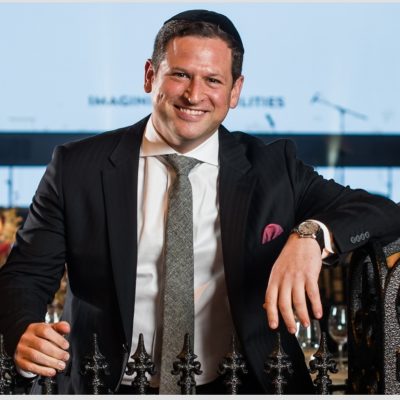




Este podcast é seu?
Confirme com uma entrada no seu feed: você recebe um código aqui, adiciona como podcast:txt no canal do seu feed e nós verificamos. Depois disso, seu podcast aparece como “verificado” no SoundNode.