

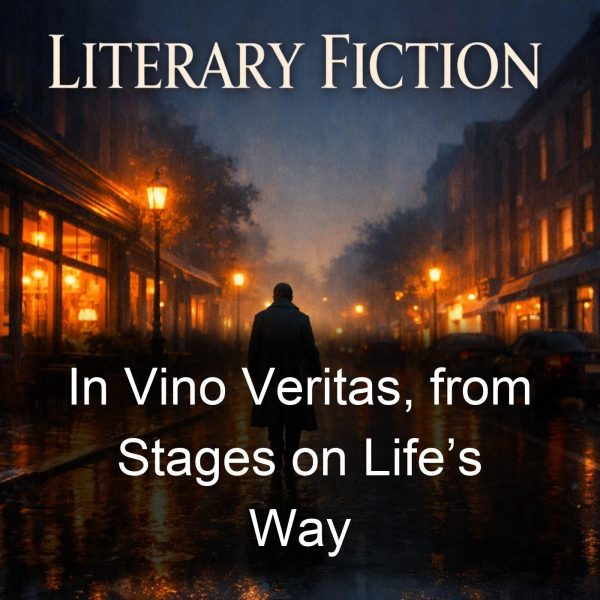
In Vino Veritas, from Stages on Life’s Way
- Episódios
- 17
- Publicação
- diária
- Último episódio
- 25 ago 2026
Sobre o podcast
In Vino Veritas is one section of Kierkegaard's Stages on Life's Way, originally published in 1845. In a conscious reference to Plato's Symposium, it is determined that each participant must give a speech, and that their topic shall be love. Lee M. Hollander said, "it excels Plato's work in subtlety, richness, and refined humor. To be sure, Kierkegaard has charged his creation with such romantic superabundance of delicate observations and rococo ornament that the whole comes dangerously near being improbable; whereas the older work stands solidly in reality." Some of the speakers in this book are charcters from Kierkegaard's other books. Victor Eremita, Judge William, and Johannes the Seducer were all from Either/Or (1843) and Constantin and the Young Person were from Repetition (1843). (Summary by Soupy)
This show includes AI-generated content.
Episódios 17
Anti-Dictator The Discours sur la servitude voluntaire-Étienne de La Boétie
In Vino Veritas is one section of Kierkegaard's Stages on Life's Way, originally published in 1845. In a conscious reference to Plato's Symposium, it is determined that each participant must give a speech, and …
Notas do episódio
In Vino Veritas is one section of Kierkegaard's Stages on Life's Way, originally published in 1845. In a conscious reference to Plato's Symposium, it is determined that each participant must give a speech, and that their topic shall be love. Lee M. Hollander said, "it excels Plato's work in subtlety, richness, and refined humor. To be sure, Kierkegaard has charged his creation with such romantic superabundance of delicate observations and rococo ornament that the whole comes dangerously near being improbable; whereas the older work stands solidly in reality." Some of the speakers in this book are charcters from Kierkegaard's other books. Victor Eremita, Judge William, and Johannes the Seducer were all from Either/Or (1843) and Constantin and the Young Person were from Repetition (1843). (Summary by Soupy)
This episode includes AI-generated content.Struggles of Brown, Jones, and Robinson-Anthony Trollope
In Vino Veritas is one section of Kierkegaard's Stages on Life's Way, originally published in 1845. In a conscious reference to Plato's Symposium, it is determined that each participant must give a speech, and …
Notas do episódio
In Vino Veritas is one section of Kierkegaard's Stages on Life's Way, originally published in 1845. In a conscious reference to Plato's Symposium, it is determined that each participant must give a speech, and that their topic shall be love. Lee M. Hollander said, "it excels Plato's work in subtlety, richness, and refined humor. To be sure, Kierkegaard has charged his creation with such romantic superabundance of delicate observations and rococo ornament that the whole comes dangerously near being improbable; whereas the older work stands solidly in reality." Some of the speakers in this book are charcters from Kierkegaard's other books. Victor Eremita, Judge William, and Johannes the Seducer were all from Either/Or (1843) and Constantin and the Young Person were from Repetition (1843). (Summary by Soupy)
This episode includes AI-generated content.Character Building-Booker T. Washington
In Vino Veritas is one section of Kierkegaard's Stages on Life's Way, originally published in 1845. In a conscious reference to Plato's Symposium, it is determined that each participant must give a speech, and …
Notas do episódio
In Vino Veritas is one section of Kierkegaard's Stages on Life's Way, originally published in 1845. In a conscious reference to Plato's Symposium, it is determined that each participant must give a speech, and that their topic shall be love. Lee M. Hollander said, "it excels Plato's work in subtlety, richness, and refined humor. To be sure, Kierkegaard has charged his creation with such romantic superabundance of delicate observations and rococo ornament that the whole comes dangerously near being improbable; whereas the older work stands solidly in reality." Some of the speakers in this book are charcters from Kierkegaard's other books. Victor Eremita, Judge William, and Johannes the Seducer were all from Either/Or (1843) and Constantin and the Young Person were from Repetition (1843). (Summary by Soupy)
This episode includes AI-generated content.Fourth Dimension Simply Explained-Henry Parker Manning
The Library of the World's Best Literature, Ancient and Modern, is a work of enormous proportions. Setting out with the simple goal of offering "American households a mass of good reading", the editors drew …
Notas do episódio
The Library of the World's Best Literature, Ancient and Modern, is a work of enormous proportions. Setting out with the simple goal of offering "American households a mass of good reading", the editors drew from literature of all times and all kinds what they considered the best pieces of human writing, and compiled an ambitious collection of 45 volumes (with a 46th being an index-guide). Besides the selection and translation of a huge number of poems, letters, short stories and sections of books, the collection offers, before each chapter, a short essay about the author or subject in question. In many cases, chapters contemplate not one author, but certain groups of works, organized by nationality, subject or period; there is, thus, a chapter on Accadian-Babylonian literature, one on the Holy Grail, and one on Chansons, for example. The result is a collection that holds the interest, for the variety of subjects and forms, but also as a means of first contact with such famous and important authors that many people have heard of, but never read, such as Abelard, Dante or Lord Byron. According to the editor Charles Dudley Warner, this collection "is not a library of reference only, but a library to be read." This thirteenth volume contains chapters from "Dutt" to "Emerson". (Summary by Leni)
This episode includes AI-generated content.Judgment of Eve-May Sinclair
In Vino Veritas is one section of Kierkegaard's Stages on Life's Way, originally published in 1845. In a conscious reference to Plato's Symposium, it is determined that each participant must give a speech, and …
Notas do episódio
In Vino Veritas is one section of Kierkegaard's Stages on Life's Way, originally published in 1845. In a conscious reference to Plato's Symposium, it is determined that each participant must give a speech, and that their topic shall be love. Lee M. Hollander said, "it excels Plato's work in subtlety, richness, and refined humor. To be sure, Kierkegaard has charged his creation with such romantic superabundance of delicate observations and rococo ornament that the whole comes dangerously near being improbable; whereas the older work stands solidly in reality." Some of the speakers in this book are charcters from Kierkegaard's other books. Victor Eremita, Judge William, and Johannes the Seducer were all from Either/Or (1843) and Constantin and the Young Person were from Repetition (1843). (Summary by Soupy)
This episode includes AI-generated content.All the Sad Young Men-F. Scott Fitzgerald
In Vino Veritas is one section of Kierkegaard's Stages on Life's Way, originally published in 1845. In a conscious reference to Plato's Symposium, it is determined that each participant must give a speech, and …
Notas do episódio
In Vino Veritas is one section of Kierkegaard's Stages on Life's Way, originally published in 1845. In a conscious reference to Plato's Symposium, it is determined that each participant must give a speech, and that their topic shall be love. Lee M. Hollander said, "it excels Plato's work in subtlety, richness, and refined humor. To be sure, Kierkegaard has charged his creation with such romantic superabundance of delicate observations and rococo ornament that the whole comes dangerously near being improbable; whereas the older work stands solidly in reality." Some of the speakers in this book are charcters from Kierkegaard's other books. Victor Eremita, Judge William, and Johannes the Seducer were all from Either/Or (1843) and Constantin and the Young Person were from Repetition (1843). (Summary by Soupy)
This episode includes AI-generated content.Diary of a Suicide-Wallace E. Baker
In Vino Veritas is one section of Kierkegaard's Stages on Life's Way, originally published in 1845. In a conscious reference to Plato's Symposium, it is determined that each participant must give a speech, and …
Notas do episódio
In Vino Veritas is one section of Kierkegaard's Stages on Life's Way, originally published in 1845. In a conscious reference to Plato's Symposium, it is determined that each participant must give a speech, and that their topic shall be love. Lee M. Hollander said, "it excels Plato's work in subtlety, richness, and refined humor. To be sure, Kierkegaard has charged his creation with such romantic superabundance of delicate observations and rococo ornament that the whole comes dangerously near being improbable; whereas the older work stands solidly in reality." Some of the speakers in this book are charcters from Kierkegaard's other books. Victor Eremita, Judge William, and Johannes the Seducer were all from Either/Or (1843) and Constantin and the Young Person were from Repetition (1843). (Summary by Soupy)
This episode includes AI-generated content.With Swag and Billy A Guide to Walking Trips in Tourist Districts of New South Wales-Henry J. Tompkins
In Vino Veritas is one section of Kierkegaard's Stages on Life's Way, originally published in 1845. In a conscious reference to Plato's Symposium, it is determined that each participant must give a speech, and …
Notas do episódio
In Vino Veritas is one section of Kierkegaard's Stages on Life's Way, originally published in 1845. In a conscious reference to Plato's Symposium, it is determined that each participant must give a speech, and that their topic shall be love. Lee M. Hollander said, "it excels Plato's work in subtlety, richness, and refined humor. To be sure, Kierkegaard has charged his creation with such romantic superabundance of delicate observations and rococo ornament that the whole comes dangerously near being improbable; whereas the older work stands solidly in reality." Some of the speakers in this book are charcters from Kierkegaard's other books. Victor Eremita, Judge William, and Johannes the Seducer were all from Either/Or (1843) and Constantin and the Young Person were from Repetition (1843). (Summary by Soupy)
This episode includes AI-generated content.Neither Here nor There-Oliver Herford
In Vino Veritas is one section of Kierkegaard's Stages on Life's Way, originally published in 1845. In a conscious reference to Plato's Symposium, it is determined that each participant must give a speech, and …
Notas do episódio
In Vino Veritas is one section of Kierkegaard's Stages on Life's Way, originally published in 1845. In a conscious reference to Plato's Symposium, it is determined that each participant must give a speech, and that their topic shall be love. Lee M. Hollander said, "it excels Plato's work in subtlety, richness, and refined humor. To be sure, Kierkegaard has charged his creation with such romantic superabundance of delicate observations and rococo ornament that the whole comes dangerously near being improbable; whereas the older work stands solidly in reality." Some of the speakers in this book are charcters from Kierkegaard's other books. Victor Eremita, Judge William, and Johannes the Seducer were all from Either/Or (1843) and Constantin and the Young Person were from Repetition (1843). (Summary by Soupy)
This episode includes AI-generated content.Faces and Places-Sir Henry W. Lucy
In Vino Veritas is one section of Kierkegaard's Stages on Life's Way, originally published in 1845. In a conscious reference to Plato's Symposium, it is determined that each participant must give a speech, and …
Notas do episódio
In Vino Veritas is one section of Kierkegaard's Stages on Life's Way, originally published in 1845. In a conscious reference to Plato's Symposium, it is determined that each participant must give a speech, and that their topic shall be love. Lee M. Hollander said, "it excels Plato's work in subtlety, richness, and refined humor. To be sure, Kierkegaard has charged his creation with such romantic superabundance of delicate observations and rococo ornament that the whole comes dangerously near being improbable; whereas the older work stands solidly in reality." Some of the speakers in this book are charcters from Kierkegaard's other books. Victor Eremita, Judge William, and Johannes the Seducer were all from Either/Or (1843) and Constantin and the Young Person were from Repetition (1843). (Summary by Soupy)
This episode includes AI-generated content.Brain and Personality, or the Physical Relations of the Brain to the Mind-William Hanna Thomson
In Vino Veritas is one section of Kierkegaard's Stages on Life's Way, originally published in 1845. In a conscious reference to Plato's Symposium, it is determined that each participant must give a speech, and …
Notas do episódio
In Vino Veritas is one section of Kierkegaard's Stages on Life's Way, originally published in 1845. In a conscious reference to Plato's Symposium, it is determined that each participant must give a speech, and that their topic shall be love. Lee M. Hollander said, "it excels Plato's work in subtlety, richness, and refined humor. …Malaria in Greek History-William Henry Samuel Jones, Edward Theodore Withington
The Ordeal of Mark Twain analyzes the literary progression of Samuel L. Clemens and attributes shortcomings to Clemens' mother and wife. The Encyclopaedia Britannica says, Brooks' work "was a psychological …
Notas do episódio
The Ordeal of Mark Twain analyzes the literary progression of Samuel L. Clemens and attributes shortcomings to Clemens' mother and wife. The Encyclopaedia Britannica says, Brooks' work "was a psychological study attempting to show that Twain had crippled himself emotionally and curtailed his genius by repressing his natural artistic bent for the sake of his Calvinist upbringing." Also, Brooks says, his literary spirit was sidelined as "...Mark Twain was inducted (with the success of…Home-Maker-Dorothy Canfield Fisher
In Vino Veritas is one section of Kierkegaard's Stages on Life's Way, originally published in 1845. In a conscious reference to Plato's Symposium, it is determined that each participant must give a speech, and …
Notas do episódio
In Vino Veritas is one section of Kierkegaard's Stages on Life's Way, originally published in 1845. In a conscious reference to Plato's Symposium, it is determined that each participant must give a speech, and that their topic shall be love. Lee M. Hollander said, "it excels Plato's work in subtlety, richness, and refined humor. …Love Conquers All-Robert C. Benchley
In Vino Veritas is one section of Kierkegaard's Stages on Life's Way, originally published in 1845. In a conscious reference to Plato's Symposium, it is determined that each participant must give a speech, and …
Notas do episódio
In Vino Veritas is one section of Kierkegaard's Stages on Life's Way, originally published in 1845. In a conscious reference to Plato's Symposium, it is determined that each participant must give a speech, and that their topic shall be love. Lee M. Hollander said, "it excels Plato's work in subtlety, richness, and refined humor. …Long Road of Woman's Memory-Jane Addams
"Long Road of Woman's Memory-Jane Addams" delves into the profound reflections and experiences of Jane Addams, a pioneering social reformer and activist. This audiobook invites listeners to explore the enduring …
Notas do episódio
"Long Road of Woman's Memory-Jane Addams" delves into the profound reflections and experiences of Jane Addams, a pioneering social reformer and activist. This audiobook invites listeners to explore the enduring themes of women's roles in society and the power of memory in shaping identity and purpose. Addams' insights resonate today as they highlight the ongoing struggles for social justice and equality, reminding us of the importance of women's voices in history and contemporary discourse. …With Swag and Billy A Guide to Walking Trips in Tourist Districts of New South Wales-Henry J. Tompkins
With Swag and Billy is a captivating guide that invites listeners to explore the scenic walking trips available in the tourist districts of New South Wales, as penned by Henry J. Tompkins. This audiobook serves …
Notas do episódio
With Swag and Billy is a captivating guide that invites listeners to explore the scenic walking trips available in the tourist districts of New South Wales, as penned by Henry J. Tompkins. This audiobook serves as an essential companion for those seeking adventure and a deeper connection with the stunning landscapes and cultural richness of the region. …In Vino Veritas from Stages on Lifes Way - Soren Kierkegaard
In Vino Veritas is one section of Kierkegaard's Stages on Life's Way, originally published in 1845. In a conscious reference to Plato's Symposium, it is determined that each participant must give a speech, and …
Notas do episódio
In Vino Veritas is one section of Kierkegaard's Stages on Life's Way, originally published in 1845. In a conscious reference to Plato's Symposium, it is determined that each participant must give a speech, and that their topic shall be love. Lee M. Hollander said, "it excels Plato's work in subtlety, richness, and refined humor. …
Podcasts parecidos
Mais podcasts de Crianças e família



Este podcast é seu?
Confirme com uma entrada no seu feed: você recebe um código aqui, adiciona como podcast:txt no canal do seu feed e nós verificamos. Depois disso, seu podcast aparece como “verificado” no SoundNode.