

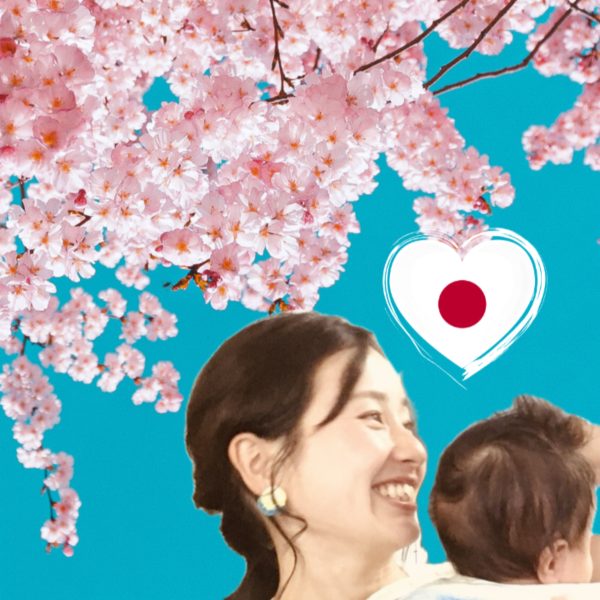
Learn Japanese with Sakura!
- Episódios
- 24
- Publicação
- diária
- Último episódio
- 7 nov 2026
Sobre o podcast
Welcome to our Japanese learning podcast! Each episode is spoken in natural, easy-to-understand Japanese and explores everyday topics, culture, science, and life in Japan. You'll learn useful vocabulary, natural expressions, and how Japanese is actually used in real conversations. Instagram: https://www.instagram.com/japaneselessons_sakurasensei/ YouTube: https://www.youtube.com/channel/UCQ0oGqRJ2MibAHyy07JkDsg
Episódios 24
日本では知らない人に話しかけない?|Japanese Listening Podcast N4–N3
Do you often chat with people you have just met? In this episode, I talk in Japanese about small talk in Japan, my experiences in Australia and the U.S., and topics that can help a conversation begin. Listen …
Notas do episódio
Do you often chat with people you have just met? In this episode, I talk in Japanese about small talk in Japan, my experiences in Australia and the U.S., and topics that can help a conversation begin. Listen for everyday expressions about greetings, smiles, and talking to someone new.
Sign up with your email for my free Japanese Speaking Diagnosis, roadmap video, and 4 practice resources: Get my free Japanese speaking resources
Watch the original YouTube video
Let’s nihonGo!
School Life in Japan with My Son | Japanese Listening Podcast N4–N3
What is school life like in Japan? In this episode, I chat with my son in Japanese about school lunches, cleaning time, and earthquake drills. Listen to our everyday conversation and explore a little of …
Notas do episódio
What is school life like in Japan? In this episode, I chat with my son in Japanese about school lunches, cleaning time, and earthquake drills. Listen to our everyday conversation and explore a little of Japanese school culture with us.
Sign up with your email for my free Japanese Speaking Diagnosis, roadmap video, and 4 practice resources: Get my free Japanese speaking resources
Watch the original YouTube video
Let’s nihonGo!
日本人はなぜ「お土産」を買うの?|Japanese Listening Podcast N4–N3
Why do people in Japan bring souvenirs back for others? In this episode, I talk in Japanese about お土産, sharing travel memories, and gifts for coworkers. Listen for everyday words such as 職場, 思い出, and 同僚 while …
Notas do episódio
Why do people in Japan bring souvenirs back for others? In this episode, I talk in Japanese about お土産, sharing travel memories, and gifts for coworkers. Listen for everyday words such as 職場, 思い出, and 同僚 while exploring this part of Japanese culture.
Sign up with your email for my free Japanese Speaking Diagnosis, roadmap video, and 4 practice resources: Get my free Japanese speaking resources
Watch the original YouTube video
Let’s nihonGo!
What’s in My Bag? | Japanese Listening Practice N5–N4
Take a look inside my everyday bag with me. I talk about my keys, wallet, things for my children, work items, and a few surprises in simple Japanese.Listen once with the pictures and on-screen subtitles, try …
Notas do episódio
Take a look inside my everyday bag with me. I talk about my keys, wallet, things for my children, work items, and a few surprises in simple Japanese.
Listen once with the pictures and on-screen subtitles, try the two listening questions, then listen again without the visual hints. What do you keep in your bag?
Sign up with your email for my free Japanese Speaking Diagnosis, roadmap video, and 4 practice resources: 660 Essential Words, Japanese Particle Cheat Sheet, 100 Common Questions, and Verb Conjugation Guide.
https://resources.letsnihongojp.com/?utm_source=podcast&utm_medium=referral&utm_campaign=syj&utm_content=video_v487Watch the original video:
https://www.youtube.com/watch?v=hxA_ZuDMl-A日本の秋、忙しすぎる!「〇〇の秋」って何?|Japanese Immersion Podcast N4–N3
Why do people in Japan say “食欲の秋” and “スポーツの秋”? In this Japanese listening episode, I talk about autumn food, school sports days, and the little moments that make me feel autumn has arrived.Want to use more of …
Notas do episódio
Why do people in Japan say “食欲の秋” and “スポーツの秋”? In this Japanese listening episode, I talk about autumn food, school sports days, and the little moments that make me feel autumn has arrived.
Want to use more of the Japanese you already know? Sign up with your email to get my free Japanese Speaking Diagnosis, roadmap video, and 4 practice resources: 660 Essential Words, Japanese Particle Cheat Sheet, 100 Common Questions, and Verb Conjugation Guide.
https://resources.letsnihongojp.com/?utm_source=podcast&utm_medium=referral&utm_campaign=syj&utm_content=video_v485
Original YouTube episode: https://www.youtube.com/watch?v=ZSdk_yC_kJQ
How to Practice Speaking Japanese on Your Own (Step-by-Step)
In this episode, I break shadowing practice into smaller steps for learning on your own. We look at listening with the text and picturing the situation, so you can take your practice one step at a time.Want to …
Notas do episódio
In this episode, I break shadowing practice into smaller steps for learning on your own. We look at listening with the text and picturing the situation, so you can take your practice one step at a time.
Want to use more of the Japanese you already know? Sign up with your email to get my free Japanese Speaking Diagnosis, roadmap video, and 4 practice resources: 660 Essential Words, Japanese Particle Cheat Sheet, 100 Common Questions, and Verb Conjugation Guide.
https://resources.letsnihongojp.com/?utm_source=podcast&utm_medium=referral&utm_campaign=syj&utm_content=video_v484
Original YouTube episode: https://www.youtube.com/watch?v=W4Qf_5_4uvQ
Wa or Ga? | Japanese Particles for Topics, Subjects, and Contrast
Not sure when to use wa (は) or ga (が)? In this beginner lesson, I explain the difference in English, using simple Japanese examples.We look at topics and contrast with wa, and subjects, focus, and existence …
Notas do episódio
Not sure when to use wa (は) or ga (が)? In this beginner lesson, I explain the difference in English, using simple Japanese examples.
We look at topics and contrast with wa, and subjects, focus, and existence with ga. Try the practice quiz and notice how the particle changes what a sentence highlights.
After listening, try making a simple sentence of your own using one of the examples as a guide.
Want to use more of the Japanese you already know? Sign up to get my free Japanese Speaking Diagnosis, roadmap video, and 4 practice resources: 660 Essential Words, Japanese Particle Cheat Sheet, 100 Common Questions, and Verb Conjugation Guide.
Get my free Japanese practice resources
Original YouTube episode: https://www.youtube.com/watch?v=qSlF2bwnzww
De or Ni? | Japanese Particles for Places and Actions
Should you use で (de) or に (ni) when talking about a place? In this beginner Japanese lesson, I explain how the verb helps you choose, with examples such as 図書館で勉強します and 学校に行きます.Follow the examples and …
Notas do episódio
Should you use で (de) or に (ni) when talking about a place? In this beginner Japanese lesson, I explain how the verb helps you choose, with examples such as 図書館で勉強します and 学校に行きます.
Follow the examples and practice choosing the particle. Then try making a short sentence about somewhere you go or something you do.
Want to use more of the Japanese you already know? Sign up to get my free Japanese Speaking Diagnosis, roadmap video, and 4 practice resources: 660 Essential Words, Japanese Particle Cheat Sheet, 100 Common Questions, and Verb Conjugation Guide.
Get my free Japanese practice resources
Original YouTube episode: https://www.youtube.com/watch?v=LkNbXfsM9GE
Japanese Greetings from Morning to Night | Everyday Phrases for Beginners
Which Japanese greeting fits the moment? I introduce everyday greetings from morning to night, including ohayou gozaimasu, konnichiwa, and konbanwa, with examples of casual and polite forms.This beginner lesson …
Notas do episódio
Which Japanese greeting fits the moment? I introduce everyday greetings from morning to night, including ohayou gozaimasu, konnichiwa, and konbanwa, with examples of casual and polite forms.
This beginner lesson draws on GENKI Lesson 1 and connects the phrases to daily situations: saying goodbye, mealtimes, meeting someone, and leaving or returning home.
Try choosing one greeting you can use in your next Japanese conversation.
Want to use more of the Japanese you already know? Sign up to get my free Japanese Speaking Diagnosis, roadmap video, and 4 practice resources: 660 Essential Words, Japanese Particle Cheat Sheet, 100 Common Questions, and Verb Conjugation Guide.
Get my free Japanese practice resources
Original YouTube episode: https://www.youtube.com/watch?v=7XDiHdwqOmk
A Busy Morning in Japan | Easy Japanese Listening N5–N4
Join me for a busy morning in Japan. In easy Japanese, I talk about waking up, breakfast, getting ready for school, and cleaning. This episode is for N5–N4 learners.Watch with subtitles, then try the second …
Notas do episódio
Join me for a busy morning in Japan. In easy Japanese, I talk about waking up, breakfast, getting ready for school, and cleaning. This episode is for N5–N4 learners.
Watch with subtitles, then try the second part without them. If you are listening to the audio, listen again and notice the everyday expressions you recognize.
After listening, try describing one thing you do every morning in your own Japanese words.
Want to use more of the Japanese you already know? Sign up to get my free Japanese Speaking Diagnosis, roadmap video, and 4 practice resources: 660 Essential Words, Japanese Particle Cheat Sheet, 100 Common Questions, and Verb Conjugation Guide.
Get my free Japanese practice resources
Original YouTube episode: https://www.youtube.com/watch?v=GaibyWbSLn0
Ore, Boku, Watashi, and Washi | Japanese Pronouns through Anime N5–N4
Why do anime characters use different words for “I”? In easy Japanese, I explore ore, boku, watashi, and washi, and how personality and context shape the way characters refer to themselves.Listen for the …
Notas do episódio
Why do anime characters use different words for “I”? In easy Japanese, I explore ore, boku, watashi, and washi, and how personality and context shape the way characters refer to themselves.
Listen for the differences, then think about which expressions fit your own conversations. This episode is for N5–N4 learners who enjoy anime and want to understand Japanese more deeply.
Want to use more of the Japanese you already know? Sign up to get my free Japanese Speaking Diagnosis, roadmap video, and 4 practice resources: 660 Essential Words, Japanese Particle Cheat Sheet, 100 Common Questions, and Verb Conjugation Guide.
Get my free Japanese practice resources
Original YouTube episode: https://www.youtube.com/watch?v=gOF_8rPjWiY
When to Use Anata in Japanese | Names, Context, and Natural Conversation
You may have learned that あなた (anata) means “you.” So why do Japanese speakers often use a person's name instead? In this episode, I explain how anata can sound different depending on the situation, including …
Notas do episódio
You may have learned that あなた (anata) means “you.” So why do Japanese speakers often use a person's name instead? In this episode, I explain how anata can sound different depending on the situation, including its affectionate use between some married couples.
Listen for how the relationship and context change the meaning. After listening, think about how you would address someone you know in Japanese.
Want to use more of the Japanese you already know? Sign up to get my free Japanese Speaking Diagnosis, roadmap video, and 4 practice resources: 660 Essential Words, Japanese Particle Cheat Sheet, 100 Common Questions, and Verb Conjugation Guide.
Get my free Japanese practice resources
Original YouTube episode: https://www.youtube.com/watch?v=8TYzLbO6plA
My 7 Hobbies | Easy Japanese Listening N5–N4
What do I enjoy doing? I talk about my seven hobbies in slow, easy Japanese: anime, traveling, camping, journaling, reading, Japanese drumming, and learning. This episode is for N5–N4 learners.Watch with …
Notas do episódio
What do I enjoy doing? I talk about my seven hobbies in slow, easy Japanese: anime, traveling, camping, journaling, reading, Japanese drumming, and learning. This episode is for N5–N4 learners.
Watch with subtitles, then try the second part without them. If you are listening to the audio, listen again and notice which expressions become familiar.
After listening, try sharing one of your own hobbies in Japanese. Use a short sentence to tell someone what you enjoy.
Want to use more of the Japanese you already know? Sign up to get my free Japanese Speaking Diagnosis, roadmap video, and 4 practice resources: 660 Essential Words, Japanese Particle Cheat Sheet, 100 Common Questions, and Verb Conjugation Guide.
Get my free Japanese practice resources
Original YouTube episode: https://www.youtube.com/watch?v=N5rLhfpmYg4
My Daily Routine in Japan | Easy Japanese Listening N5–N4
What does my day look like? I share my morning routine, lunch, work as a teacher, and how I spend my evenings in easy Japanese for N5–N4 learners.Watch with subtitles first, then try the second part without …
Notas do episódio
What does my day look like? I share my morning routine, lunch, work as a teacher, and how I spend my evenings in easy Japanese for N5–N4 learners.
Watch with subtitles first, then try the second part without them. If you are listening to the audio, use the repeated story to notice what you understand the second time.
After listening, try describing one part of your own day in Japanese. Start with a short sentence and use a word or expression you heard.
Want to use more of the Japanese you already know? Sign up to get my free Japanese Speaking Diagnosis, roadmap video, and 4 practice resources: 660 Essential Words, Japanese Particle Cheat Sheet, 100 Common Questions, and Verb Conjugation Guide.
Get my free Japanese practice resources
Original YouTube episode: https://www.youtube.com/watch?v=SaCVNPiKSBk
Eating and Drinking in Daily Life | Slow Japanese Listening N5–N4
What do I eat and drink during the day? Listen to slow, clear Japanese about breakfast, lunch, weekends, and evenings while practicing たべます (eat) and のみます (drink). This episode is for N5–N4 learners.Watch the …
Notas do episódio
What do I eat and drink during the day? Listen to slow, clear Japanese about breakfast, lunch, weekends, and evenings while practicing たべます (eat) and のみます (drink). This episode is for N5–N4 learners.
Watch the first part with subtitles and try the second part without them, or listen to both parts and notice what you understand on the second listen.
After listening, try saying what you ate or drank today in your own Japanese words.
Want to use more of the Japanese you already know? Sign up to get my free Japanese Speaking Diagnosis, roadmap video, and 4 practice resources: 660 Essential Words, Japanese Particle Cheat Sheet, 100 Common Questions, and Verb Conjugation Guide.
Get my free Japanese practice resources
Original YouTube episode: https://www.youtube.com/watch?v=gvGi3DjzKyU
My Weekend in Japan | Slow Japanese Listening N5–N4
How do I spend my weekend in Japan? Join me for my morning routine, a visit to the park and library, grocery shopping, and my evening routine, in slow, clear Japanese for N5–N4 learners.Watching the video? …
Notas do episódio
How do I spend my weekend in Japan? Join me for my morning routine, a visit to the park and library, grocery shopping, and my evening routine, in slow, clear Japanese for N5–N4 learners.
Watching the video? Start with subtitles, then try the second part without them. Listening to the audio? Listen to the story again and notice what becomes easier to understand.
After listening, try sharing one thing you did last weekend in your own Japanese words.
Want to use more of the Japanese you already know? Sign up to get my free Japanese Speaking Diagnosis, roadmap video, and 4 practice resources: 660 Essential Words, Japanese Particle Cheat Sheet, 100 Common Questions, and Verb Conjugation Guide.
Get my free Japanese practice resources
Original YouTube episode: https://www.youtube.com/watch?v=MFp_x5u_Aiw
My Camping Trip in Japan | Slow Japanese Listening N5–N4
Come along on my camping trip in Japan. I share my weekend in slow, clear Japanese for N5–N4 learners, from the journey to the campsite through the evening.Watching the video? Follow the first part with …
Notas do episódio
Come along on my camping trip in Japan. I share my weekend in slow, clear Japanese for N5–N4 learners, from the journey to the campsite through the evening.
Watching the video? Follow the first part with subtitles, then try the second part without them. Listening to the audio? Use the repeated story to see how much more you understand the second time.
After listening, try describing a trip of your own using a word or expression you heard.
Want to use more of the Japanese you already know? Sign up to get my free Japanese Speaking Diagnosis, roadmap video, and 4 practice resources: 660 Essential Words, Japanese Particle Cheat Sheet, 100 Common Questions, and Verb Conjugation Guide.
Get my free Japanese practice resources
Original YouTube episode: https://www.youtube.com/watch?v=RDGwRWCl3sw
My Work as a Japanese Teacher | Beginner Japanese Listening N5–N4
What is it like to work as a Japanese teacher? In this episode, I talk about my work and speaking with people from different countries, in Japanese for N5–N4 learners.Listen at your own pace. After listening …
Notas do episódio
What is it like to work as a Japanese teacher? In this episode, I talk about my work and speaking with people from different countries, in Japanese for N5–N4 learners.
Listen at your own pace. After listening, try using a word or expression you heard to say something about your own work in Japanese.
Want to use more of the Japanese you already know? Sign up to get my free Japanese Speaking Diagnosis, roadmap video, and 4 practice resources: 660 Essential Words, Japanese Particle Cheat Sheet, 100 Common Questions, and Verb Conjugation Guide.
Get my free Japanese practice resources
Original YouTube episode: https://www.youtube.com/watch?v=Ce0rB8ny7fA
Why You Freeze in Japanese Conversations
Original YouTube episode: https://www.youtube.com/watch?v=jxConuGn0_wSign up to get my free Japanese Speaking Diagnosis, roadmap video, and 4 practice resources:Get the free resources
コンビニのおにぎりが泣いている!?|Japanese Podcast N4–N3
▶︎ Sign up with your email to get my free Japanese Speaking Diagnosis, roadmap video, and 4 practice resources:https://sakurasenseijapanese.kit.com/df508a3afb?utm_source=spotify&utm_medium=social&utm_campaign=sy …
Notas do episódio
▶︎ Sign up with your email to get my free Japanese Speaking Diagnosis, roadmap video, and 4 practice resources:
https://sakurasenseijapanese.kit.com/df508a3afb?utm_source=spotify&utm_medium=social&utm_campaign=syj&utm_content=video_v335
Find your starting point and take the next step toward saying what you really want to say in Japanese.
Original YouTube episode:
https://www.youtube.com/watch?v=-RsUq0vU9mY
Instagram: https://www.instagram.com/japaneselessons_sakurasensei/
YouTube: https://www.youtube.com/@japaneselessons_sakurasensei
Facebook: https://www.facebook.com/people/Enjoy-Japanese-with-Sakura/61572642658460/
Why Do We Dream? | Japanese Listening Practice for N3/N2 Learners
This podcast is for intermediate Japanese learners, around JLPT N3 level. Listen to natural Japanese as we explore:・When we dream・Why dreams may be connected to memories and emotions・Why we sometimes have scary …
Notas do episódio
This podcast is for intermediate Japanese learners, around JLPT N3 level. Listen to natural Japanese as we explore:・When we dream・Why dreams may be connected to memories and emotions・Why we sometimes have scary dreams・What dream interpretation is・Whether dreams can come trueYou’ll also learn useful Japanese expressions about dreams, including 夢が叶う, 夢に出てくる, and 正夢になる.💬 Questions for you:What kind of dream did you have recently?Who appeared in your dream?Has one of your dreams ever come true?Share your answer in Japanese or English!Subscribe for more Japanese podcasts and listening practice.✨ A Japanese speaking roadmap is coming soon! Sign up to get it first!t:↓https://sakurasenseijapanese.kit.com/df508a3afbLet's nihonGo!🌸Instagram:https://www.instagram.com/japaneselessons_sakurasensei/🌸YouTube:https://www.youtube.com/channel/UCQ0oGqRJ2MibAHyy07JkDsg🌸Facebook:www.facebook.com/people/Enjoy-Japanese-with-Sakura/61572642658460/👍Don't forget to like & subscribe!#japanese #japaneselesson #japaneseculture #nihongo #learnjapanese #japan
テスト仕事に短パン、あり?|Japanese Listening Podcast N3/N4
🩳 Can people really wear shorts to work in Japan?Tokyo recently encouraged people to wear cooler clothes—even shorts—to work.Why did this become national news?In this episode, you'll learn:🇯🇵 Why this surprised …
Notas do episódio
🩳 Can people really wear shorts to work in Japan?Tokyo recently encouraged people to wear cooler clothes—even shorts—to work.Why did this become national news?In this episode, you'll learn:🇯🇵 Why this surprised many Japanese people👔 Japanese work culture and dress codes🗣️ Useful expressions like 「呼びかける」and「〜ようにする」💭 My thoughts on how Japanese work culture is changingPerfect for JLPT N3–N4 learners who want to improve their listening while learning about real Japan.🎧 Listen now!💬 Question:Would people wear shorts to work in your country? Tell me in Japanese or English!📩 I'm creating free resources to help you speak more natural Japanese.If you'd like to be the first to get them, join my newsletter through the link below.https://sakurasenseijapanese.kit.com/df508a3afbLet's nihonGo!〜〜〜〜〜〜〜〜〜〜〜〜〜〜〜〜〜〜〜〜〜〜〜🌸Instagram:https://www.instagram.com/japaneselessons_sakurasensei/🌸YouTube:https://www.youtube.com/channel/UCQ0oGqRJ2MibAHyy07JkDsg🌸Facebook:www.facebook.com/people/Enjoy-Japanese-with-Sakura/61572642658460/👍Don't forget to like & subscribe!#japanese #japaneselesson #japaneseculture #nihongo #learnjapanese #japan
【Japanese Podcast #2】Spring Break/Obento #jlpt #learnjapanese
Thanks for listening!🌸Instagram / sakura_sensei_japanese 🌸Private Japanese Lessons sakura-sensei-japanese.my.canva.site*Script:https://docs.google.com/document/d/13WBenfm96E8YQ8iKDdsCFUMJOXzuHlvusAXn85vBSHI/edit …
Notas do episódio
Thanks for listening!🌸Instagram / sakura_sensei_japanese 🌸Private Japanese Lessons sakura-sensei-japanese.my.canva.site*Script:https://docs.google.com/document/d/13WBenfm96E8YQ8iKDdsCFUMJOXzuHlvusAXn85vBSHI/edit?tab=t.0*EnglishHello, this is Sakura.Welcome back to my channel.Language learning requires a lot of input.Through this program, I want to speak in Japanese on various topics for people studying the language.So, let’s get started.Today’s topic is spring break.When is spring break in your country?In Japan, school usually ends at the end of March, and spring break lasts until around the first week of April.It’s the same for the elementary school my children go to, so they have about a two-week spring break.Recently, I talked about spring break with one of my students, and it seems that in other countries, the break is much longer—some places even have two or three months off!I thought that must be really hard for parents.Even with just a two-week break, I already find it difficult to make lunch boxes and take care of the kids.During this time, overseas families often go on trips or participate in extracurricular programs such as summer schools.In Japan, the longest vacation is in summer.Most schools are off for all of August, so our family usually takes a trip during that time.In March, there is a two-week break, but since the new school term starts in April, many people are busy with work and can’t take long vacations.It’s probably not easy to take time off.In Japanese elementary schools, students are usually served school lunch, but during spring break, there is no school lunch, so I make bento (lunch boxes) every day.It takes time to get used to making bento.I pack rice, vegetables, and a main dish like fried chicken or rolled omelets.Adding mini tomatoes or broccoli makes the bento colorful.Red, green, and yellow make it look bright and fun.Today, my kids asked for rice balls (onigiri), so I made them and packed them into their lunch boxes.What kind of lunch do children eat in your country?In America, based on TV dramas and such, it seems like kids bring a sandwich in a Ziploc, some jam, and fruit like bananas or apples.Is that what their real lunch looks like?It seems easy for kids to eat and for parents to prepare, so I think it’s a great idea.Are Japanese the only ones who put so much effort into preparing meals?Earlier, I mentioned that school lunch is served during the school term.It usually includes rice, soup, some meat, and vegetables.For drinks, many schools provide milk.So, it might be a bit difficult for kids who don’t like milk or are allergic to it.School lunches also often use local ingredients, so the menu can be very different depending on the region, which I find interesting.My hometown is famous for mandarins (mikan), so in winter, we often had mandarins in school lunch.We even had mandarin rice or mandarin buns!When I talked about this with friends later on, they were surprised.Alright, that’s all for today.Thank you for listening.Please come visit again!*Vocabularies春休み / haruyasumi / spring break小学校 / shougakkou / elementary schoolお弁当 / obentou / lunchbox子供 / kodomo / child / children家族旅行 / kazokuryokou / family trip学校 / gakkou / school給食 / kyuushoku / school lunch夏休み / natsuyasumi / summer vacation唐揚げ / karaage / fried chicken卵焼き / tamagoyaki / Japanese omeletミニトマト / mini tomato / cherry tomatoブロッコリー / burokkorii / broccoliおにぎり / onigiri / rice ball食パン / shokupan / sliced bread授業 / jugyou / class / lesson地元 / jimoto / localみかん / mikan / mandarin orange
#1 April Fool ’s Day/Entrance ceremony
If you like it, please subscribe to my channel!🌸Instagram:https://www.instagram.com/sakura_sensei_japanese/🌸YouTube:https://www.youtube.com/channel/UCQ0oGqRJ2MibAHyy07JkDsg🌸Web …
Notas do episódio
If you like it, please subscribe to my channel!
🌸Instagram:https://www.instagram.com/sakura_sensei_japanese/
🌸YouTube:
https://www.youtube.com/channel/UCQ0oGqRJ2MibAHyy07JkDsg
🌸Web site:
sakura-sensei-japanese.my.canva.site⬇️Word list:
言語学習 (gengo gakushuu) - language learning
日本語教師 (nihongo kyoushi) - Japanese teacher
生徒 (seito) - student
自然 (shizen) - natural
概要欄 (gaiyouran) - description box
初心者 (shoshinsha) - beginner
中級者 (chuukyuu-sha) - intermediate learner
確認 (kakunin) - confirmation
数字 (suuji) - number
間違い (machigai) - mistake
嘘 (uso) - lie
冗談 (joudan) - joke
企業 (kigyou) - company
投稿 (toukou) - post
謝罪 (shazai) - apology
入学式 (nyuugakushiki) - entrance ceremony
保護者 (hogosha) - guardian
担任 (tannin) - homeroom teacher
校歌 (kouka) - school song
天気 (tenki) - weather
⬇️Sprict
https://docs.google.com/document/d/1bKDo6ckjHu8O16J992jeitYe1_J6rJLktNebo07o-ww/edit?usp=sharing
Podcasts parecidos
Mais podcasts de Educação




Este podcast é seu?
Confirme com uma entrada no seu feed: você recebe um código aqui, adiciona como podcast:txt no canal do seu feed e nós verificamos. Depois disso, seu podcast aparece como “verificado” no SoundNode.