

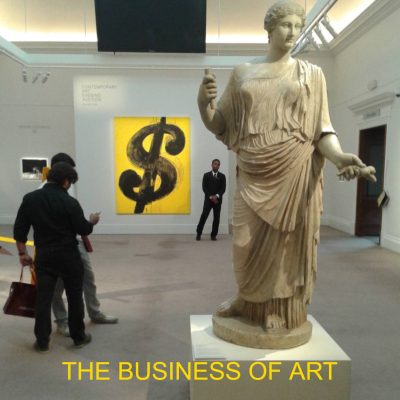
A BRIEF HISTORY OF ART & ITS MARKETS PART 2: RENAISSANCE TO NEW MILLENNIUM
Notas do episódio
In this second episode of a two-part lecture series, Dr David Bellingham continues his exploration of the art market, tracing its development from the Renaissance to the contemporary global scene. Drawing on historical, economic, and ethical perspectives, the lecture examines how art evolved from elite patronage into a commodified asset shaped by imperialism, celebrity culture, and financial speculation. Topics include:
- The rise of branded artists and the value of materials
- The emergence of auction houses and commercial galleries
- Colonial plunder and the ethics of restitution
- The impact of globalisation and digital transparency
- The role of collectors, dealers, and art fairs in shaping today’s market
This episode completes the journey begun in Part I, offering a critical overview of the forces that continue to shape the art world today.
Keywords: Art Market History, Renaissance Patronage, Auction Houses, Colonial Acquisitions, Contemporary Art Fairs, MAAB, David Bellingham
music
‘Baby, I Miss The Internet’ (Rama, Rama, Rama)
by TOT TAYLOR
is used by kind permission of the artist
©Tot Taylor/Songmatic Music (2020)
Capítulos
Carregando capítulos…