

Coercive Control vs a Bad Relationship: How to Tell the Difference
Notas do episódio
You keep asking yourself "is it me, or are they controlling?"
The examples online always sound more extreme than what you're living
You're walking on eggshells but second-guessing whether you're allowed to feel that way
You've been told to "just set boundaries" but it only seems to make things worse
You want to understand coercive control from both a psychological and a family-law angle
This is general education – not legal advice or a psychological diagnosis. It discusses coercive control and abuse. If you're in danger, call 000. Support: 1800 RESPECT 1800 737 732 | Lifeline 13 11 14.
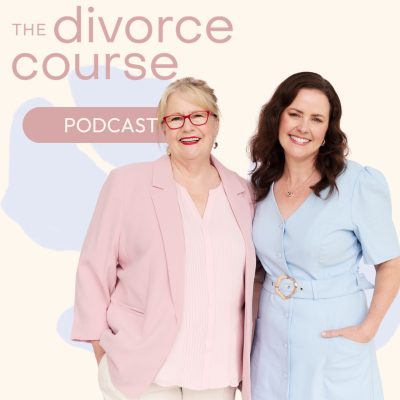
Episode Summary"Is it me, or are they controlling?" That question ran under almost every message you sent in – so we turned it into a six-part series, and this is Part 1. Laura and Lyn are joined by clinical psychologist Krasi Kirova to answer the one nearly everyone asked: is this really coercive control?
Krasi shares her three Ds (disrespect, disempowerment, distortion), explains why coercive control is a pattern and a function rather than a list of behaviours, and how good qualities like compromise and empathy get weaponised. Lyn explains how family law treats coercive control differently from the criminal courts.
00:00 – Is It Me, or Are They Controlling?
03:30 – What Best Illustrates Coercive Control?
04:30 – The Restaurant Metaphor: Pattern, Not a Checklist
06:00 – The 3 Ds: Disrespect, Disempowerment, Distortion
07:30 – Psychology vs Family Law: Section 4AB
09:00 – Family Court vs Criminal Court: Different Tests
10:00 – When You Lose Sight of What's Reasonable
12:00 – How Compromise & Empathy Get Weaponised
13:00 – When Your Ex Wasn't As "Extreme" as the Examples
16:00 – Is Anger & Yelling Coercive Control?
18:00 – Can It Exist Without Financial Control?
19:00 – Repeated Pressure & Monopolised Decisions (
22:00 – Stonewalling, Delay & Deflection
25:30 – The PA Dynamic & Exploitation
28:00 – Needy or Controlling? How to Tell the Difference
30:00 – Blame-Shifting, DARVO & Perspecticide
33:00 – Infidelity, Guilt & Trying to Leave
39:00 – Silent Treatment as Punishment
43:00 – Why He Does Less When You're Sick
45:00 – Emotional Abuse vs Coercive Control
47:30 – Can the Main Breadwinner Be Controlled?
53:00 – Why Do They Do It? Can Survivors Heal?
58:00 – The Anxious, Controlling Attachment Style &
Have Your Say – Krasi's Conference Call-Out📌 Have your say: Krasi is presenting on coercive control at the Australian National Psychology Conference. Share what you wish psychologists and therapists understood – anonymously, with optional audio. Link in the show notes. Entry form https://jtwqtij4vdy.typeform.com/to/bjpm4Gy2
ResourcesThe 3 Ds of Coercive Control – the deep-dive episode with Krasi.https://youtu.be/bRmLZBRs--o?si=YZ1951oDofDe_lw7
1800 RESPECT 1800 737 732 | Lifeline 13 11 14 | Police 000
Section 4AB, Family Law Act 1975 – definition of family violence
Guest: Krasi Kirova, Clinical Psychologist
If this helped you start to name what you've been living, please follow, rate, review and share The Divorce Course Podcast so others going through the same thing can find it too.