

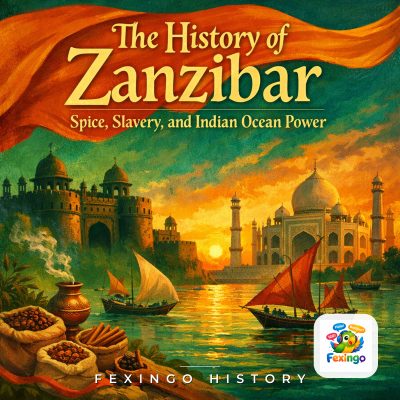
Zanzibar's Saffron Silk Road: Mughal Connections
Notas do episódio
While Zanzibar is famous for cloves and the slave trade, a quieter, more intricate network connected its merchants to the heart of the Mughal Empire. This episode explores how South Asian traders, particularly the Khoja and Bhatia communities, integrated Zanzibar into the vast commercial web of Surat and Delhi. We look at the specific mechanisms of this trade, including the hundi credit system that allowed capital to flow across oceans without moving gold, and the cultural exchanges that left permanent marks on Stone Town’s architecture and language. From the saffron banners of the Red Fort to the coral-stone houses of Unguja, we trace the tangible links between Indian Ocean power centers and the Mughal court. Discover how merchants like Jairam Sewji navigated imperial rivalries, using their dual heritage to build a thalassocracy that was as much about diplomatic soft power as it was about maritime dominance. This story reveals the deep, often overlooked, economic and cultural arteries that pulsed between South Asia and East Africa during the nineteenth century.
#ZanzibarHistory #MughalEmpire #StoneTown #IndianOceanTrade #KhojaMerchants #BhatiaCommunity #SaffronTrade #SuratIndia #HundiCredit #CloveMonopoly #BusaidDynasty #SwahiliCoast #IndianDiaspora #MaritimeHistory #ThariaTopan #JairamSewji #CoralStoneArchitecture #FexingoHistory