

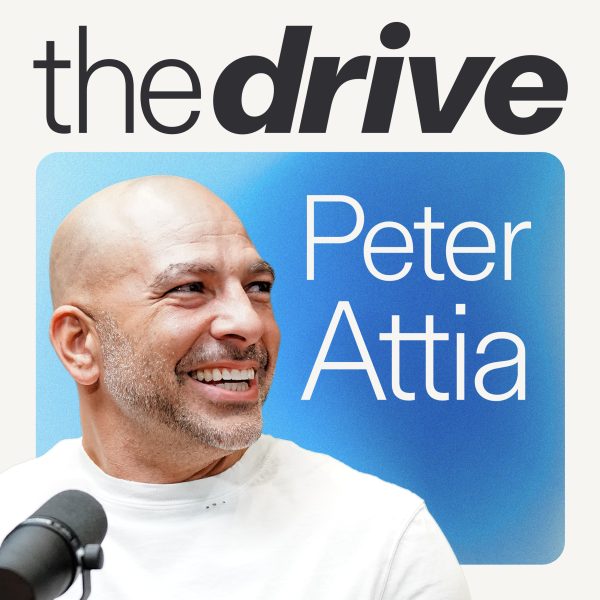
The Peter Attia Drive
- Episódios
- 466
- Publicação
- semanal
- Último episódio
- 23 nov 2026
Sobre o podcast
Expert insight on health, performance, longevity, critical thinking, and pursuing excellence. Dr. Peter Attia (Stanford/Hopkins/NIH-trained MD) talks with leaders in their fields.
Episódios 466
Cold therapy: pros, cons, and its impact on longevity (AMA #47 rebroadcast)
View the Show Notes Page for This Episode Become a Member to Receive Exclusive Content Sign Up to Receive Peter's Weekly Newsletter In this "Ask Me Anything" (AMA) episode, Peter delves deep into the data …
Notas do episódio
View the Show Notes Page for This Episode
Become a Member to Receive Exclusive Content
Sign Up to Receive Peter's Weekly Newsletter
In this "Ask Me Anything" (AMA) episode, Peter delves deep into the data surrounding different forms of cold therapy, including cold water immersion, cryotherapy, and cold showers, aiming to unveil the potential benefits and drawbacks associated with cold therapy. He dissects the studies examining the effects of cold therapy on delayed onset muscle soreness (DOMS), activation of brown adipose tissue, and its potential impact on mood and as a therapeutic approach for depression. Furthermore, Peter discusses the potential negative impact cold therapy may have on muscular hypertrophy and offers his perspective on the extent to which the data support the notion of cold therapy providing longevity benefits. Finally, he discusses the existing consensus, or lack thereof, regarding the optimal structure of an effective cold therapy protocol.
We discuss:
- Overview of discussion on cold therapy (and a Formula 1 tangent) [2:45];
- The most common cold exposure therapies [6:30];
- Potential benefits of cold water immersion: a look at the data [10:30];
- Comparing the effects of cold water immersion with whole-body cryotherapy [19:15];
- The potential impact of cold exposure on mood and as a treatment for depression [21:30];
- How do cold showers compare to cold water immersion? [29:00];
- Cold exposure and the activation of brown adipose tissue (BAT) [35:00];
- Exercising in cold temperatures: impact on exercise performance [39:30];
- Potential downsides of cold therapy and its impact on hypertrophy, strength, and recovery [45:30];
- Are the blunting effects of cold on hypertrophy due to the effects on inflammation? [51:30];
- Does cold exposure offer any potential geroprotective benefits? [54:00];
- Cold therapy protocols for delayed onset muscle soreness (DOMS) [57:30];
- Summarizing the data and takeaways from Peter [1:01:30]; and
- More.
Connect With Peter on Twitter, Instagram, Facebook and YouTube
#416 ‒ The science of mitochondria: their role in health, aging, and disease, and what the evidence says about drugs and supplements aimed at improving their function | Navdeep Chandel, Ph.D.
View the Show Notes Page for This Episode Become a Member to Receive Exclusive Content Sign Up to Receive Peter's Weekly Newsletter In this episode, Peter welcomes back Nav Chandel, a distinguished professor …
Notas do episódio
View the Show Notes Page for This Episode
Become a Member to Receive Exclusive Content
Sign Up to Receive Peter's Weekly Newsletter
In this episode, Peter welcomes back Nav Chandel, a distinguished professor and world-renowned expert in mitochondrial biology, for a conversation that challenges many conventional assumptions about mitochondria and their role in health and aging. Nav begins by explaining what mitochondria do beyond ATP production, emphasizing their critical role in cellular communication and signaling. He explores how mitochondria communicate through hydrogen peroxide, metabolites, and mitochondrial DNA and RNA, and how these signals influence inflammation, immune function, and epigenetic regulation. The conversation then turns to the relationship between mitochondrial dysfunction and aging, including what the term "mitochondrial dysfunction" actually means and why it is often misused. Drawing on his own research, Nav takes a deep dive into metformin, explaining its effects on mitochondrial function, metabolism, and inflammation. He examines the evidence for its potential benefits in preventing age-related diseases and why findings from cancer trials have been disappointing. Finally, Nav offers an evidence-based assessment of popular mitochondrial supplements and interventions, including urolithin A, alpha-ketoglutarate, methylene blue, and hyperbaric oxygen. Throughout the discussion, Peter and Nav separate established science from speculation, providing a clearer understanding of mitochondrial biology and its implications for health and longevity.
We discuss:
- Mitochondrial function: energy production, cellular building blocks, and signaling beyond the powerhouse model [3:30];
- Electron transport and reactive oxygen species: how mitochondrial energy production creates cellular signaling byproducts [9:45];
- Oxidative stress and aging: defining antioxidants and antioxidant systems, and the limits of supplementation [12:30];
- Mitochondrial signaling: metabolites, epigenetic regulation, and immune activation beyond ATP [20:15];
- How mitochondrial DNA and RNA can activate immune pathways and whether chronic low-level leakage contributes to long-term inflammation and aging [24:30];
- How mitochondrial release of cytochrome c can trigger cell death or stress signaling [28:30];
- Mitochondrial dysfunction: survival without mitochondrial ATP production, glycolytic compensation, and the central role of cellular signaling [29:45];
- How to assess one's mitochondrial function [34:00];
- The role of VO2 max and mitochondrial efficiency in maximizing your marginal decade [41:00];
- Mitochondrial dysfunction and aging [46:30];
- Metformin mechanisms: gut accumulation, complex I inhibition, and indirect effects on metabolism and exercise [52:45];
- Metformin and aging: does metformin provide true geroprotective benefits beyond glucose control? [1:04:00];
- Metformin and cancer: why most cancer trials have failed, and how its efficacy depends on tumor-specific uptake [1:08:15];
- How pollution and viral infections trigger inflammation, and the potential role of metformin as therapy [1:19:15];
- Clonal hematopoiesis, inflammation, and mitochondrial metabolism: metformin's role in limiting age-related immune dysregulation [1:22:45];
- Takeaways on the benefits and risks of using metformin as a geroprotective drug [1:24:45];
- Views on tests that claim to measure mitochondrial function [1:30:15];
- The Warburg effect and cancer metabolism: why Nav doesn't think mitochondria in cancer cells are dysfunctional [1:32:45];
- Mitochondrial supplements: urolithin A and berberine [1:35:00];
- Mitochondrial supplements: α-ketoglutarate [1:42:45];
- Mitochondrial supplements: citrulline, carnitine, CoQ10, NR, and NMN [1:45:00];
- Interventions touted to boost mitochondrial health: SS-31 and methylene blue [1:47:30];
- Hyperbaric oxygen and low-oxygen therapy: any real benefits for health and longevity? [1:51:15];
- Red light therapy: exploring its effects on mitochondria via cytochrome c oxidase and whether purported benefits have a real basis [1:55:30];
- The case for funding basic research to understand metabolism [1:59:45]; and
- More.
Connect With Peter on Twitter, Instagram, Facebook and YouTube
#415 ‒ AMA #91: Understanding lab testing: what blood work can and cannot tell you about your health and disease risk
View the Show Notes Page for This Episode Become a Member to Receive Exclusive Content Sign Up to Receive Peter's Weekly Newsletter In this "Ask Me Anything" (AMA) episode, Peter explores what laboratory …
Notas do episódio
View the Show Notes Page for This Episode
Become a Member to Receive Exclusive Content
Sign Up to Receive Peter's Weekly Newsletter
In this "Ask Me Anything" (AMA) episode, Peter explores what laboratory testing can—and cannot—tell us about our health. Blood tests provide objective numbers and reference ranges, making them an appealing way to assess overall health. But their usefulness is far more nuanced than it may appear. Peter begins by explaining how to interpret lab results in the context of both lifespan and healthspan, emphasizing the importance of tracking changes over time rather than relying on isolated measurements. He then examines the strengths and limitations of blood testing for assessing risk across the major chronic diseases, including cardiovascular disease, metabolic dysfunction, cancer, and neurodegenerative disease. He explains what labs can reveal about organ health and where additional information from imaging, body composition, and functional testing is needed. The conversation also explores why more testing does not necessarily lead to better clinical decisions. Peter discusses the limitations of large direct-to-consumer testing panels and sophisticated measures such as lipid subfractionation and biological-age scores, particularly when the results lack clear clinical actionability. He also highlights the importance of physical function, cognitive performance, and emotional health—critical components of healthspan that cannot be adequately captured through blood work alone. Finally, Peter provides a practical framework for evaluating any laboratory test, understanding its limitations, and determining whether the results offer meaningful information that can guide decisions about health and longevity.
If you're not a subscriber and are listening on a podcast player, you'll only be able to hear a preview of the AMA. If you're a subscriber, you can now listen to this full episode on your private RSS feed or our website at the AMA #91 show notes page. If you are not a subscriber, you can learn more about the subscriber benefits here.
We discuss:
- Why lab testing is insufficient to answer the question "Am I healthy?" [2:15];
- Defining health through the lenses of lifespan, health span, and fundamental organ systems, and how labs can come up short [5:45];
- The importance of longitudinal data, and the strengths and blind spots of labs for assessing cardiovascular disease risk [10:00];
- Using labs to assess metabolic health, and the additional insights from body composition, behavior, and functional testing [18:45];
- What blood tests and genetic testing can reveal about cancer detection and future cancer risk [23:00];
- Assessing neurodegenerative disease risk through genetics, cardiometabolic markers, and emerging blood-based biomarkers [28:00];
- What routine labs reveal about organ systems, and how to evaluate large direct-to-consumer testing panels [35:00];
- Sophisticated tests that lack clinical actionability: lipid subfractionation, biological-age scores, and sleep scores [41:30];
- Why labs provide limited insight into physical function, cognitive function, and emotional health [47:30];
- A practical framework for interpreting any lab test, understanding its blind spots, and placing results in context [53:30]; and
- More.
Connect With Peter on Twitter, Instagram, Facebook and YouTube
#414 ‒ Resistance training as we age: optimizing exercise selection and training intensity for muscle growth, function, and injury risk management | Jeff Cavaliere, M.S.P.T., C.S.C.S.
View the Show Notes Page for This Episode Become a Member to Receive Exclusive Content Sign Up to Receive Peter's Weekly Newsletter In this episode, Peter welcomes back Jeff Cavaliere, a physical therapist …
Notas do episódio
View the Show Notes Page for This Episode
Become a Member to Receive Exclusive Content
Sign Up to Receive Peter's Weekly Newsletter
In this episode, Peter welcomes back Jeff Cavaliere, a physical therapist, strength coach, and founder of ATHLEAN-X who has spent decades bridging the gap between rehabilitation, athletic performance, and strength training. Jeff begins by sharing how his experience working with professional athletes and managing his own injuries has shaped his approach to building strength and muscle while minimizing injury risk. He discusses how training should evolve as we age, particularly for those in their 40s, 50s, and beyond who want to continue making progress without compromising long-term joint health. Jeff explains why excessive training volume can be counterproductive and how to balance reps in reserve with training to failure to maximize results while managing fatigue and injury risk. He also explores the differences between training for aesthetics and functional performance, explaining why these goals are not necessarily at odds. The conversation then shifts to a muscle-by-muscle breakdown of effective exercises for building strength and hypertrophy. Jeff highlights common training mistakes, offers modifications for those dealing with pain or injury, and explains why often-neglected muscles deserve more attention. Finally, he walks through his "exercise graveyard," identifying popular exercises that may carry unnecessary injury risk and offering alternatives that deliver similar benefits with less risk. Throughout the episode, Jeff provides actionable guidance for making training more effective, sustainable, and adaptable as we age.
We discuss:
- Jeff's passion as an educator and the path that led him to build his YouTube channel [2:30];
- Jeff's injury history and how he overcomes injury in training [11:00];
- Qualities of great athletes and the tragedy of injury [20:15];
- Tom Brady—an example of the value of pliability and consistency [24:30];
- The athlete's mindset, how training changes in midlife, and the importance of a warm-up [28:15];
- Reducing risk of injury in middle age and beyond: reps in reserve, training to failure, and junk volume [35:15];
- How training intensity changes in midlife [44:30];
- Hypertrophy: misconceptions and common mistakes when training shoulders [48:15];
- Deltoid muscles of the shoulder: exercises beyond the overhead press [59:45];
- Triceps: compound movements and exercises that target the long head [1:11:15];
- Upper arm: best approaches for building hypertrophy and strength [1:21:00];
- Biceps: nuance around training [1:24:30];
- Forearm exercises that target the flexors and brachioradialis [1:31:45];
- Pecs and chest: pressing and crossover movements [1:34:15];
- Great abs: nutrition, rotation exercises, interval training, and more [1:45:30];
- Back: exercises to create that V-shape [1:52:30];
- Legs: training the quads, glutes, and more [2:02:00];
- Calves: training the gastrocnemius and soleus [2:13:00];
- Jeff's "exercise graveyard" and recommendations for modifications that achieve results with less risk of injury [2:21:00]; and
- More.
Connect With Peter on Twitter, Instagram, Facebook and YouTube
#413 ‒ The neuroscience of emotion: challenging conventional theories of emotion, how the brain predicts and constructs our experiences, and gaining greater control over how we feel | Lisa Feldman Barrett, Ph.D.
View the Show Notes Page for This Episode Become a Member to Receive Exclusive Content Sign Up to Receive Peter's Weekly Newsletter In this episode, Peter sits down with Dr. Lisa Feldman Barrett, a …
Notas do episódio
View the Show Notes Page for This Episode
Become a Member to Receive Exclusive Content
Sign Up to Receive Peter's Weekly Newsletter
In this episode, Peter sits down with Dr. Lisa Feldman Barrett, a psychologist, neuroscientist, author, and distinguished professor at Northeastern University whose research challenges many of the conventional assumptions about emotions and how the brain works. Lisa is best known for her theory of constructed emotion, which challenges the idea that emotions such as fear, anger, and sadness are hardwired responses with universal biological signatures. She begins by explaining how unexpected findings early in her research led her to question traditional theories of emotion. She discusses why studying individual variation, rather than relying on averages, is essential to understanding the brain. Lisa then explores the idea that the brain is fundamentally a predictive system rather than a reactive one. She explains how past experiences and memories shape what we perceive, feel, and do. She also describes how the brain continuously anticipates and regulates metabolism through a process called allostasis. The conversation then turns to the effects of chronic stress, uncertainty, and childhood adversity on physical and emotional health. Lisa explains how our relationships help regulate our nervous systems and why the loss of a loved one can have such a profound physiological impact. She also discusses how deliberate practice and new experiences can reshape the brain's predictions, potentially changing how we think, feel, and respond to the world around us. Throughout the discussion, Peter and Lisa explore how this framework challenges traditional views of emotion and offers a greater sense of agency over our emotional lives.
We discuss:
- How unexpected results in graduate school changed Lisa's understanding of emotion [3:30];
- Why variation is the norm for emotion, and the danger in tracking averages instead of characterizing variation [15:30];
- Lisa's experience with Hashimoto's disease and the value of modeling individual variation [30:00];
- How Lisa's research challenges common views about emotions, and why there is no biomarker for emotions [40:00];
- The difficulty of defining emotions and the brain's role in regulating the body [49:15];
- Consciousness, interoception, and the limits of subjective experience [54:00];
- Defining emotion: fear and anger [1:00:15];
- The brain as a predictive system rather than a reactive one [1:13:15];
- Baseball as an example of the brain's predictive nature [1:31:00];
- How the human brain differs from that of other animals [1:44:00];
- The impact of stress on metabolism, and the role of the brain in maintaining allostasis [1:49:45];
- Childhood adversity, social regulation of the nervous system, and the effect of chronic stress [1:56:45];
- Understanding chronic stress: why some people respond differently, and its impact on metabolism [2:02:15];
- How practicing new predictions can change thoughts and feelings [2:10:15];
- Lisa's practice of finding awe in everyday experiences and the greater sense of agency it brings [2:13:30];
- The impact of grief on nervous system regulation and the metabolic "body budget," as well as practices that reduce sadness [2:22:15];
- The connection between memories and predictions, and Peter's closing thoughts [2:29:45]; and
- More.
Connect With Peter on Twitter, Instagram, Facebook and YouTube
#412 ‒ The evolving science of cancer: emerging approaches to prevention and early detection, and the advances reshaping treatment | Siddhartha Mukherjee, M.D., Ph.D.
View the Show Notes Page for This Episode Become a Member to Receive Exclusive Content Sign Up to Receive Peter's Weekly Newsletter In this episode, Peter welcomes back Dr. Siddhartha Mukherjee, a physician …
Notas do episódio
View the Show Notes Page for This Episode
Become a Member to Receive Exclusive Content
Sign Up to Receive Peter's Weekly Newsletter
In this episode, Peter welcomes back Dr. Siddhartha Mukherjee, a physician, oncologist, researcher, and the Pulitzer Prize-winning author of The Emperor of All Maladies. Fifteen years after the book was first published, Sid released an updated edition. This conversation examines what has changed in our understanding of cancer—not only in how we treat it, but in how we think about its causes, prevention, detection, and biology. Sid explores the contributions of genetics, environmental exposures, random mutations, and inflammation to cancer risk, including the emerging role of hyperinsulinemia and metabolism. He discusses why detecting cancer early remains so difficult, particularly in pancreatic cancer, and how advances in immunotherapy, CAR T cell therapy, and targeted treatments such as KRAS inhibitors are changing the treatment landscape. The conversation then broadens beyond cancer to what Sid calls "regenerative failure"—the declining ability of tissues to repair and replenish themselves with age. Peter and Sid explore how this process may contribute to conditions such as osteoarthritis, and whether longevity should be approached less as the prevention of individual diseases and more as the preservation of regenerative capacity. Sid weighs in on the potential for chemoprevention, metabolic interventions, and AI to transform cancer prevention and treatment. Finally, they discuss what it would take to develop meaningful biomarkers of longevity that could ultimately help to extend human healthspan and lifespan.
We discuss:
- What oncology has learned in the 15 years since The Emperor of All Maladies was published [2:45];
- The contributions of genetic risk, bad luck, and inflammation to cancer [14:45];
- The role of metabolism and hyperinsulinemia in cancer [31:00];
- Osteoarthritis: the role of inflammation and regenerative stem cells [40:45];
- How cancer escapes the immune system—the subtleties of neoantigens and immune checkpoints [49:45];
- AI and the thymus as a predictor of longevity, and T cell aging and immune regeneration [57:15];
- How CAR T cell therapy works and why solid tumors are harder to treat [1:04:00];
- Targeting KRAS in pancreatic cancer [1:10:45];
- The rise of colorectal cancer in younger adults [1:19:15];
- How AI may transform drug discovery [1:23:00];
- The future of cancer prevention: chemoprevention [1:33:15];
- Challenging the current model of longevity—disease prevention versus targeting regenerative failure [1:37:45];
- The need for a biomarker of longevity—comparing geroscience to atherosclerosis [1:50:30];
- Clinical trials targeting cancer metabolism [1:56:00];
- What Sid is currently writing about and a glimpse into his writing process [1:58:00]; and
- More.
Connect With Peter on Twitter, Instagram, Facebook and YouTube
#411 ‒ AMA #90: Strong convictions, loosely held: how Peter's views on fasting, keto, metformin, rapamycin, whole-body MRI, and exercise have changed
View the Show Notes Page for This Episode Become a Member to Receive Exclusive Content Sign Up to Receive Peter's Weekly Newsletter In this "Ask Me Anything" (AMA) episode, Peter looks back on 400 episodes of …
Notas do episódio
View the Show Notes Page for This Episode
Become a Member to Receive Exclusive Content
Sign Up to Receive Peter's Weekly Newsletter
In this "Ask Me Anything" (AMA) episode, Peter looks back on 400 episodes of The Drive with another installment of "strong convictions, loosely held," revisiting some of the positions he has taken over more than eight years of the podcast. He explains why changing one's mind in response to new evidence, conversations with experts, and clinical experience is essential for practicing medicine well. Peter begins with nutrition, describing how his views on ketogenic diets, extended fasting, and the framework of dietary restriction, time restriction, and calorie restriction have evolved. He explains why he no longer takes metformin for longevity and discusses his growing uncertainty around rapamycin despite compelling animal data. Peter also revisits his views on cancer screening, including whole-body MRI and liquid biopsies for early detection. On exercise, Peter explains how his approach to cardiorespiratory training and the 80/20 Zone 2 framework has changed, particularly for people with limited time to train. He also shares why he has moved away from heavy barbell squats and deadlifts and how he now thinks about balancing benefit and injury risk. Throughout the episode, Peter emphasizes the importance of focusing on durable principles, strong foundations, and sustainable practices rather than chasing optimizations that provide marginal gains.
If you're not a subscriber and are listening on a podcast player, you'll only be able to hear a preview of the AMA. If you're a subscriber, you can now listen to this full episode on your private RSS feed or our website at the AMA #90 show notes page. If you are not a subscriber, you can learn more about the subscriber benefits here.
We discuss:
- Strong convictions, loosely held: changing opinions as evidence, expert conversations, and clinical experience evolve [2:00];
- Nutrition: Peter's evolving view of ketogenic diets, energy balance, and dietary dogmatism [5:30];
- Extended fasting, autophagy, lean-mass loss, and who may benefit from prolonged fasting [12:00];
- The dietary restriction, time restriction, and calorie restriction framework—and why GLP-1 agonists are tipping the balance toward calorie restriction [20:15];
- Why Peter no longer views metformin as geroprotective for metabolically healthy people [24:45];
- Rapamycin for longevity: compelling animal data, unresolved human dosing, and Peter's growing uncertainty [29:15];
- The importance of early cancer detection, declining whole-body magnetic resonance imaging (MRI) quality, and more targeted alternatives [41:30];
- Liquid biopsies for cancer screening: the NHS-Galleri trial, why early-stage rather than late-stage detection is what actually matters, and why the technology remains "fuzzy" [53:30];
- Evolving exercise goals, the limitations of the 80/20 Zone 2 framework, and programming cardio at lower training volumes [1:00:00];
- Exercise prescriptions for limited time, building a training habit, and becoming less dogmatic about forcing workouts [1:05:00];
- Moving away from heavy squats and deadlifts, alternative exercises, and deliberate risk management [1:13:00];
- Prioritizing principles, foundations, and sustainable practices over marginal optimization [1:21:30]; and
- More.
Connect With Peter on Twitter, Instagram, Facebook and YouTube
#410 ‒ The biology of pregnancy: physiologic adaptation, gestational diabetes, preeclampsia, childbirth, and long-term maternal health | Kathryn Gray, M.D., Ph.D.
View the Show Notes Page for This Episode Become a Member to Receive Exclusive Content Sign Up to Receive Peter's Weekly Newsletter In this episode, Peter sits down with Dr. Kathryn (Katie) Gray, a …
Notas do episódio
View the Show Notes Page for This Episode
Become a Member to Receive Exclusive Content
Sign Up to Receive Peter's Weekly Newsletter
In this episode, Peter sits down with Dr. Kathryn (Katie) Gray, a physician-scientist, high-risk obstetrician, and maternal-fetal medicine specialist at the University of Washington School of Medicine. Katie begins by explaining the remarkable physiologic changes that occur during pregnancy and how the cardiovascular, metabolic, and hormonal systems adapt to support both mother and developing fetus. From there, the conversation turns to some of the most important complications that can arise. Katie explains how gestational diabetes is screened for and treated, and what a diagnosis may mean for the long-term health of both mother and child. She then walks through the biology of preeclampsia, including who is at risk and how the condition is managed. She also discusses HELLP syndrome and postpartum depression. Peter and Katie explore the realities of labor and delivery, including breech presentation, the role of midwives, and the trade-offs between vaginal and cesarean delivery. The conversation also covers stillbirth and the growing role of cell-free DNA in prenatal genetic screening. Other topics include prenatal nutrition and folate, breastfeeding, and exercise during pregnancy. Throughout the episode, Peter and Katie return to a larger question: What can pregnancy reveal about a woman's long-term health? They discuss how complications during pregnancy can provide important clues about future health risks. Finally, Katie highlights some of the major questions that remain unanswered in maternal health and why greater investment in research is needed to improve outcomes for mothers and their children.
Disclaimer: The views expressed on this podcast are solely those of Dr. Kathryn Gray and do not represent the University of Washington or any of its affiliated units. Dr. Gray speaks solely in a personal capacity, and nothing here should be construed as an official position or endorsement from the University of Washington.
We discuss:
- What drew Katie to obstetrics and gynecology, and fundamental questions in the field that remain unanswered [3:15];
- Pregnancy as a cardiovascular and metabolic stress test; the first symptoms and early changes [6:30];
- Early hormonal changes, prenatal nutrition, and neural tube defects [16:00];
- Fetal development and the physiology of gestational diabetes [23:45];
- Diagnosing and treating gestational diabetes [30:00];
- Preeclampsia: diagnosis, biology, acute risk, and how it's managed [37:00];
- HELLP syndrome, what genetic studies reveal about preeclampsia, and the antihypertensive medications used to treat it [49:00];
- What pregnancy reveals about long-term cardiometabolic health [54:45];
- Cesarean delivery, breech presentation, and stillbirth [1:01:15];
- The onset of labor, cervical dilation, and membrane rupture [1:14:15];
- Vaginal delivery and breastfeeding: benefits versus myths [1:23:15];
- Exercise during pregnancy, sleep position in the third trimester, and postpartum depression [1:27:00];
- Prenatal genetic screening: the growing role of cell-free DNA and the gap between what is technologically possible and what gets deployed in the clinic [1:33:00];
- Midwifery and the realities of childbirth [1:39:00];
- Maternal health in the United States and the need for research investment [1:48:30]; and
- More.
Connect With Peter on Twitter, Instagram, Facebook and YouTube
#409 ‒ Inside modern drug development: the science, economics, and regulatory hurdles behind bringing new medicines to patients | Lloyd Klickstein, M.D., Ph.D.
View the Show Notes Page for This Episode Become a Member to Receive Exclusive Content Sign Up to Receive Peter's Weekly Newsletter Lloyd B. Klickstein is a physician-scientist who has spent more than 20 years …
Notas do episódio
View the Show Notes Page for This Episode
Become a Member to Receive Exclusive Content
Sign Up to Receive Peter's Weekly Newsletter
Lloyd B. Klickstein is a physician-scientist who has spent more than 20 years at the intersection of drug discovery, healthy aging, and preventive medicine. Drawing on his experience in academic medicine, translational research, and biotechnology, Lloyd walks through the full arc of modern drug development. He explains how scientists identify an unmet medical need and decide which diseases and therapeutic targets are worth pursuing. From there, he takes us through the process of engineering a drug, testing it in animals, and navigating clinical trials and regulatory approval. Using bimagrumab as a case study, Lloyd explains the rationale for targeting myostatin and activin signaling to increase muscle mass and strength and describes how the antibody was engineered and screened. He then walks through what was learned from early clinical trials. Unexpected effects on fat mass and type 2 diabetes helped reshape bimagrumab's development as a potential treatment for obesity, including its use in combination with semaglutide. Along the way, Peter and Lloyd explore the differences among drug modalities, including biologics and small-molecule therapeutics. They discuss the roles of patents and capital allocation in drug development, along with the requirements for IND submission and GMP manufacturing. They also examine why developing a new drug takes so long and costs so much, and why identifying failures early is critical. At the end of the episode, the conversation turns to mTOR inhibition and geroprotection, as well as Lloyd's current work on a novel pharmacologic approach to cancer prevention. This episode provides a rare behind-the-scenes look at how new medicines are actually created and the scientific, regulatory, and economic decisions that determine which ideas ultimately make it to patients.
We discuss:
- Lloyd's path from academic medicine to translational drug development [3:15];
- Drug modalities, patents, and the economics of innovation [11:30];
- Choosing sarcopenia as a target for drug development, and confronting the problem of measuring falls [23:00];
- The rationale for bimagrumab: improving muscle mass and strength by targeting myostatin and activin signaling (and why follistatin failed) [36:45];
- Engineering and screening the bimagrumab antibody, and the cost of developing a new drug [43:45];
- From candidate antibodies to animal proof of concept (impressive muscle hypertrophy) [54:15];
- Toxicology, capital allocation, and the path to an IND [1:02:45];
- IND requirements, GMP manufacturing, and gray market peptides [1:14:45];
- First in-human study design, patient selection, and protection of healthy volunteers [1:22:00];
- Phase 1 dosing, pharmacodynamics, and global trial strategy [1:33:45];
- Phase 2 lessons on muscle mass, function, and nutrition [1:43:30];
- Bimagrumab's effects on fat mass and type 2 diabetes [1:50:45];
- The BELIEVE trial of bimagrumab plus semaglutide [1:59:30];
- Selective mTORC1 inhibition and the challenge of testing geroprotection [2:11:45];
- A new pharmacologic approach to cancer prevention [2:15:45]; and
- More.
Connect With Peter on Twitter, Instagram, Facebook and YouTube
#408 ‒ AMA #89: Thyroid health: interpreting symptoms, diagnosing and treating dysfunction, and navigating the gray zone
View the Show Notes Page for This Episode Become a Member to Receive Exclusive Content Sign Up to Receive Peter's Weekly Newsletter In this "Ask Me Anything" (AMA) episode, Peter takes a deep dive into thyroid …
Notas do episódio
View the Show Notes Page for This Episode
Become a Member to Receive Exclusive Content
Sign Up to Receive Peter's Weekly Newsletter
In this "Ask Me Anything" (AMA) episode, Peter takes a deep dive into thyroid health and explains why diagnosing and managing thyroid dysfunction is unusually complex. He begins with the basic biology of the thyroid gland and three commonly measured hormones—free T4, free T3, and TSH. He explains how T4 is converted to the active hormone T3 and the important functions T3 performs throughout the body. He also explains what reverse T3 is and when it may be useful to measure it. Peter then breaks down thyroid blood tests and their limitations and provides a practical framework for evaluating suspected thyroid dysfunction. He explains why symptoms alone are insufficient for diagnosis and reviews the criteria for diagnosing hypothyroidism, along with conditions that can mimic it. He also explores how hypothyroidism can be both underdiagnosed and overtreated and how to navigate subclinical hypothyroidism. Peter discusses treatment with T4 and T3, including why some patients continue to experience symptoms despite standard T4 replacement. He also explains how thyroid medications should be taken to optimize absorption. Additional topics include Hashimoto's disease, thyroid considerations during pregnancy, hyperthyroidism, the risks of excess iodine, and supplements marketed to support thyroid function. Finally, Peter offers guidance for patients who continue to feel unwell despite apparently normal thyroid tests.
If you're not a subscriber and are listening on a podcast player, you'll only be able to hear a preview of the AMA. If you're a subscriber, you can now listen to this full episode on your private RSS feed or our website at the AMA #89 show notes page. If you are not a subscriber, you can learn more about the subscriber benefits here.
We discuss:
- Why thyroid management is unusually complex and what the thyroid does [2:00];
- Why symptoms are insufficient for diagnosis and the risks of underdiagnosis and overtreatment [9:00];
- Regulation of the thyroid axis and conversion of T4 to T3 [13:30];
- Reverse T3 and the metabolic effects of T3 [20:00];
- Thyroid blood tests, assay limitations, and who should be tested [22:45];
- Causes and mimics of hypothyroidism and the criteria for diagnosis [29:00];
- Navigating subclinical hypothyroidism [34:30];
- Treating hypothyroidism with T4 and T3 [37:00];
- Hashimoto's disease, pregnancy, and associated autoimmune risks [42:45];
- Proper timing and administration of thyroid medication [43:45];
- Causes, symptoms, diagnosis, and treatment of hyperthyroidism [45:15];
- Iodine excess, the risks of thyroid-support supplements, and evidence for dietary interventions [53:45];
- A practical framework for evaluating and treating patients who suspect thyroid dysfunction [59:30]; and
- More.
Connect With Peter on Twitter, Instagram, Facebook and YouTube
#407 ‒ Preventing cardiovascular and Alzheimer's disease: lowering LDL early, APOE4, and promising new therapies | Michael Davidson, M.D.
View the Show Notes Page for This Episode Become a Member to Receive Exclusive Content Sign Up to Receive Peter's Weekly Newsletter Michael Davidson is a world-renowned cardiologist, lipidologist, and the …
Notas do episódio
View the Show Notes Page for This Episode Become a Member to Receive Exclusive Content Sign Up to Receive Peter's Weekly Newsletter Michael Davidson is a world-renowned cardiologist, lipidologist, and the founding CEO of NewAmsterdam Pharma. He begins this episode by sharing how his family history shaped his interest in lipidology and primary prevention. …Blood pressure: how to measure, manage, and treat high blood pressure (AMA #48 rebroadcast)
View the Show Notes Page for This Episode Become a Member to Receive Exclusive Content Sign Up to Receive Peter's Weekly Newsletter In this "Ask Me Anything" (AMA) episode, Peter delves into the critical …
Notas do episódio
View the Show Notes Page for This Episode Become a Member to Receive Exclusive Content Sign Up to Receive Peter's Weekly Newsletter In this "Ask Me Anything" (AMA) episode, Peter delves into the critical subject of blood pressure, which is one of the three primary causes of atherosclerosis, along with high apoB and smoking. He begins by unraveling the nature of high blood pressure, its prevalence, and why it often goes undiagnosed. …#406 ‒ Migraine, cluster headache, and tension headache: symptoms, causes, prevention, and treatment | Brian Grosberg, M.D.
View the Show Notes Page for This Episode Become a Member to Receive Exclusive Content Sign Up to Receive Peter's Weekly Newsletter Brian Grosberg is a world-renowned headache specialist who joins Peter to …
Notas do episódio
View the Show Notes Page for This Episode Become a Member to Receive Exclusive Content Sign Up to Receive Peter's Weekly Newsletter Brian Grosberg is a world-renowned headache specialist who joins Peter to provide a master class on the diagnosis and treatment of headache disorders. …#405 ‒ AMA #88: Metabolic liver health: how to assess risk, catch dysfunction early, and prevent or reverse liver disease
View the Show Notes Page for This Episode Become a Member to Receive Exclusive Content Sign Up to Receive Peter's Weekly Newsletter In this "Ask Me Anything" (AMA) episode, Peter takes a deep dive into the …
Notas do episódio
View the Show Notes Page for This Episode Become a Member to Receive Exclusive Content Sign Up to Receive Peter's Weekly Newsletter In this "Ask Me Anything" (AMA) episode, Peter takes a deep dive into the liver and its central role in metabolic health. He explains why the liver can serve as a "canary in the coal mine" for metabolic dysfunction and explores how insulin resistance, visceral fat, alcohol consumption, genetics, and hormones contribute to liver disease, along with how increasing…#404 ‒ Mental health beyond neurotransmitters: the role of hormones in psychiatry, why symptom reduction isn't enough, and the future of psychedelic therapies | Linus Abrams, M.D.
View the Show Notes Page for This Episode Become a Member to Receive Exclusive Content Sign Up to Receive Peter's Weekly Newsletter In this episode, Peter sits down with Dr. Linus Abrams, a psychiatrist with …
Notas do episódio
View the Show Notes Page for This Episode Become a Member to Receive Exclusive Content Sign Up to Receive Peter's Weekly Newsletter In this episode, Peter sits down with Dr. Linus Abrams, a psychiatrist with nearly 35 years of clinical experience specializing in mood disorders and psychopharmacology, to explore how our understanding of mental health is evolving beyond the traditional neurotransmitter model. …#403 ‒ Peptides: separating scientific promise from marketing hype
View the Show Notes Page for This Episode Become a Member to Receive Exclusive Content Sign Up to Receive Peter's Weekly Newsletter In this episode, Peter returns to the topic of peptides, offering a clear and …
Notas do episódio
View the Show Notes Page for This Episode Become a Member to Receive Exclusive Content Sign Up to Receive Peter's Weekly Newsletter In this episode, Peter returns to the topic of peptides, offering a clear and accessible guide to a field surrounded by both genuine scientific promise and widespread misinformation. …#402 ‒ NMR blood analysis: how heart disease risk, insulin resistance, inflammation, and mortality risk can be assessed from a single blood sample | Jim Otvos, Ph.D.
View the Show Notes Page for This Episode Become a Member to Receive Exclusive Content Sign Up to Receive Peter's Weekly Newsletter Jim Otvos is a biophysical chemist who pioneered the use of nuclear magnetic …
Notas do episódio
View the Show Notes Page for This Episode Become a Member to Receive Exclusive Content Sign Up to Receive Peter's Weekly Newsletter Jim Otvos is a biophysical chemist who pioneered the use of nuclear magnetic resonance (NMR) spectroscopy to measure lipoprotein particles and developed the first FDA-cleared method for directly quantifying LDL particle number (LDL-P), a technology that has since expanded to provide broader insights into metabolic health, inflammation, insulin resistance, and…#401 ‒ How curiosity transforms medicine: extraordinary discoveries that changed modern healthcare
View the Show Notes Page for This Episode Become a Member to Receive Exclusive Content Sign Up to Receive Peter's Weekly Newsletter In this episode of The Drive, Peter explores how seemingly obscure basic …
Notas do episódio
View the Show Notes Page for This Episode Become a Member to Receive Exclusive Content Sign Up to Receive Peter's Weekly Newsletter In this episode of The Drive, Peter explores how seemingly obscure basic science discoveries have laid the foundation for some of the most important medical breakthroughs of the past half century. …#400 ‒ AMA #87: Environmental pollution and longevity: air pollution, noise, light, EMFs, and practical strategies to mitigate health risks
View the Show Notes Page for This Episode Become a Member to Receive Exclusive Content Sign Up to Receive Peter's Weekly Newsletter In this "Ask Me Anything" (AMA) episode, Peter explores the evidence behind …
Notas do episódio
View the Show Notes Page for This Episode Become a Member to Receive Exclusive Content Sign Up to Receive Peter's Weekly Newsletter In this "Ask Me Anything" (AMA) episode, Peter explores the evidence behind environmental pollution and its impact on long-term health, separating well-supported risks from less substantiated claims while providing a practical framework for deciding which exposures deserve attention. …#399 ‒ The evolution of Alzheimer's disease and dementia care: how early detection, personalized treatment, new therapies, and a multimodal approach are changing the landscape | Gayatri Devi, M.D.
View the Show Notes Page for This Episode Become a Member to Receive Exclusive Content Sign Up to Receive Peter's Weekly Newsletter Gayatri Devi is a nationally recognized neurologist specializing in memory …
Notas do episódio
View the Show Notes Page for This Episode Become a Member to Receive Exclusive Content Sign Up to Receive Peter's Weekly Newsletter Gayatri Devi is a nationally recognized neurologist specializing in memory disorders, including Alzheimer's disease and related dementias. In this episode, Gayatri explains how to think about dementia as a spectrum—including Alzheimer's disease, vascular dementia, Lewy body dementia, and mixed presentations—while exploring the evolving biology of amyloid, tau…Building strength and muscle mass: how to optimize training, nutrition, and more for longevity (AMA #71 rebroadcast)
View the Show Notes Page for This Episode Become a Member to Receive Exclusive Content Sign Up to Receive Peter's Weekly Newsletter In this "Ask Me Anything" (AMA) episode, Peter dives deep into the topic of …
Notas do episódio
View the Show Notes Page for This Episode Become a Member to Receive Exclusive Content Sign Up to Receive Peter's Weekly Newsletter In this "Ask Me Anything" (AMA) episode, Peter dives deep into the topic of muscle mass and strength, examining their essential roles in both lifespan and healthspan. …#398 ‒ AMA #86: GLP-1 RAs and muscle loss: new data, better questions, and how to preserve muscle during weight loss
View the Show Notes Page for This Episode Become a Member to Receive Exclusive Content Sign Up to Receive Peter's Weekly Newsletter In this "Ask Me Anything" (AMA) episode, Peter explores the effects of GLP-1 …
Notas do episódio
View the Show Notes Page for This Episode Become a Member to Receive Exclusive Content Sign Up to Receive Peter's Weekly Newsletter In this "Ask Me Anything" (AMA) episode, Peter explores the effects of GLP-1 receptor agonists—including drugs such as Ozempic, Wegovy, and Zepbound—with a particular focus on their impact on muscle. …#397 ‒ Endometriosis and adenomyosis: diagnosis, fertility, reproductive aging, and emerging treatments | Renato Tomioka, M.D., Ph.D.
View the Show Notes Page for This Episode Become a Member to Receive Exclusive Content Sign Up to Receive Peter's Weekly Newsletter View our full terms of use Renato Tomioka is a leading expert in reproductive …
Notas do episódio
View the Show Notes Page for This Episode Become a Member to Receive Exclusive Content Sign Up to Receive Peter's Weekly Newsletter View our full terms of use Renato Tomioka is a leading expert in reproductive medicine and gynecologic surgery whose unique skills allow him to diagnose and treat some of the most impactful yet frequently overlooked conditions affecting women's health. …#396 ‒ Breast cancer screening: understanding risk, deciding when to start and how often to screen, and choosing the right imaging strategy
View the Show Notes Page for This Episode Become a Member to Receive Exclusive Content Sign Up to Receive Peter's Weekly Newsletter In this episode, Peter explores the critical topic of breast cancer screening …
Notas do episódio
View the Show Notes Page for This Episode Become a Member to Receive Exclusive Content Sign Up to Receive Peter's Weekly Newsletter In this episode, Peter explores the critical topic of breast cancer screening, examining why thousands of women continue to die from breast cancer each year despite the availability of effective screening tools. …#395 - Brain lipidology: understanding APOE, cholesterol homeostasis, Alzheimer's disease risk, and the effects of lipid-lowering therapies on brain health | Tom Dayspring, M.D.
View the Show Notes Page for This Episode Become a Member to Receive Exclusive Content Sign Up to Receive Peter's Weekly Newsletter Tom Dayspring is a world-renowned lipidologist and one of the most thoughtful …
Notas do episódio
View the Show Notes Page for This Episode Become a Member to Receive Exclusive Content Sign Up to Receive Peter's Weekly Newsletter Tom Dayspring is a world-renowned lipidologist and one of the most thoughtful teachers in the field of lipid metabolism. In this episode, Tom returns to The Drive for a deep dive into the relationship between lipids and brain health, beginning with the fundamentals of cholesterol transport before exploring why the brain's cholesterol system operates almost…#394 ‒ Sleep pharmacology: the role of medications in healthy sleep, the promise of emerging therapies, and the evidence for common sleep supplements
View the Show Notes Page for This Episode Become a Member to Receive Exclusive Content Sign Up to Receive Peter's Weekly Newsletter In this episode, Peter dives into the pharmacology of sleep, exploring where …
Notas do episódio
View the Show Notes Page for This Episode Become a Member to Receive Exclusive Content Sign Up to Receive Peter's Weekly Newsletter In this episode, Peter dives into the pharmacology of sleep, exploring where sleep medications fit within the broader framework of achieving healthy, restorative sleep. …#393 ‒ AMA #85: A guide to medications and supplements: determining what to take, what to skip, and how to know if they're working for you
View the Show Notes Page for This Episode Become a Member to Receive Exclusive Content Sign Up to Receive Peter's Weekly Newsletter In this "Ask Me Anything" (AMA) episode, Peter explores how to think …
Notas do episódio
View the Show Notes Page for This Episode Become a Member to Receive Exclusive Content Sign Up to Receive Peter's Weekly Newsletter In this "Ask Me Anything" (AMA) episode, Peter explores how to think critically about medications and supplements by focusing not on whether an intervention is inherently "good" or "bad," but on whether it makes sense for a specific person with a specific problem. …#392 - Genetic testing: when it's valuable, how to choose the right test, and what to do with the results
View the Show Notes Page for This Episode Become a Member to Receive Exclusive Content Sign Up to Receive Peter's Weekly Newsletter In this episode, Peter explores the complex and often misunderstood world of …
Notas do episódio
View the Show Notes Page for This Episode Become a Member to Receive Exclusive Content Sign Up to Receive Peter's Weekly Newsletter In this episode, Peter explores the complex and often misunderstood world of genetic testing, building a practical framework for understanding what these tests can and cannot actually tell us about health and disease. …#391 ‒ Colorectal cancer screening: importance of early screening, colonoscopy as a screening and preventive tool, and how to build a personalized strategy
View the Show Notes Page for This Episode Become a Member to Receive Exclusive Content Sign Up to Receive Peter's Weekly Newsletter In this episode, Peter takes a deep dive into colorectal cancer (CRC) …
Notas do episódio
View the Show Notes Page for This Episode Become a Member to Receive Exclusive Content Sign Up to Receive Peter's Weekly Newsletter In this episode, Peter takes a deep dive into colorectal cancer (CRC) screening, explaining why it is one of the most preventable cancers and why getting screening right can have life-saving implications. …#390 ‒ AMA #84: Family health history, preventing heart disease, metabolic health, strength training efficiency, dementia risk reduction, NAD supplements, and hydration
View the Show Notes Page for This Episode Become a Member to Receive Exclusive Content Sign Up to Receive Peter's Weekly Newsletter In this "Ask Me Anything" (AMA) episode, Peter answers listener questions …
Notas do episódio
View the Show Notes Page for This Episode Become a Member to Receive Exclusive Content Sign Up to Receive Peter's Weekly Newsletter In this "Ask Me Anything" (AMA) episode, Peter answers listener questions across a wide range of topics, focusing on how to think through real-world trade-offs and apply scientific evidence in practice. …
Aqui estão os 40 episódios mais recentes de 466. Os mais antigos estão no feed do podcast.
Podcasts parecidos
Mais podcasts de Saúde e fitness




Este podcast é seu?
Confirme com uma entrada no seu feed: você recebe um código aqui, adiciona como podcast:txt no canal do seu feed e nós verificamos. Depois disso, seu podcast aparece como “verificado” no SoundNode.