

The Hidden Struggles of Neurodivergent Friendships
Show notes
Friendship can feel complicated, especially for neurodivergent women navigating masking, burnout, grief, and identity shifts.
In this deeply honest conversation, we explore how our experiences of friendship have been shaped over time—from early moments of exclusion and heartbreak, to high-masking personas, to the quiet unravelling that often comes with burnout, sobriety, or late diagnosis.
We talk about what happens when your world becomes smaller, when your capacity changes, and when the people around you don’t quite meet you where you are. And we gently name the grief that lives underneath it all—the friendships that didn’t hold, the community that didn’t show up, and the longing to be truly seen.
This episode is a soft place to land if you’ve ever felt like you don’t quite “fit” in friendship, or if connection has felt confusing, one-sided, or out of reach.
You are not alone in this.
In this episode, we explore:
- Why friendships can feel especially complex for neurodivergent women
- How early friendship experiences can shape masking and identity
- The impact of high masking and performing “acceptability” in relationships
- Friendship breakups and the deep, often unspoken grief they carry
- How alcohol, achievement, or caregiving roles can become forms of masking
- The shift that happens when masking drops (through burnout, diagnosis, or sobriety)
- Why some friendships feel “hollow” or difficult to sustain over time
- The emotional labour of being the one who maintains connection
- The experience of “disappearing” from friendships during burnout or crisis
- Why many neurodivergent people prefer depth over small talk
- Object permanence and “out of sight, out of mind” in friendships
- The difference between neurotypical and neurodivergent social expectations
- How parenting a child in burnout or crisis can reshape your identity and relationships
- The loneliness of experiences that others don’t understand (e.g. mental health crises vs. physical illness)
- The role of cultural narratives like “just world theory” in how people respond to hardship
- Grief as a central, often missing piece in friendship and community
- The importance of being witnessed, rather than fixed or judged
- What it feels like to find safe, attuned connection with other neurodivergent people
A gentle reflection:Where have you felt like you had to “perform” in order to belong?
What kind of friendship feels safe and sustainable for you now—not who you used to be, but who you are today?
You are welcome to share your lived experience of this in the comments.
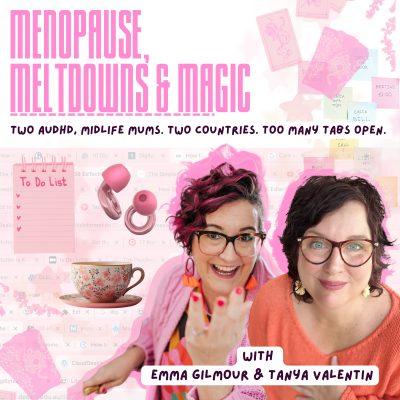
Podcast: Meltdowns, Menopause and Magic
Hosts: Tanya Valentin & Emma Gilmour
If you are a woman questioning your relationship with alcohol, join Emma's 5 Day Alcohol Reset: https://www.hoperisingcoaching.com/fivedayreset
A 5-day self-paced break from alcohol - to learn the tools to make alcohol a small and irrelevant part of their lives.
If you are a parent of a child or teen in burnout needing support, join Tanya's Parent Community: From Burnout to Balance