

Choosing the Human Advantage in the Age of AI
Show notes
What choices should leaders make before they start scaling AI across their organization?
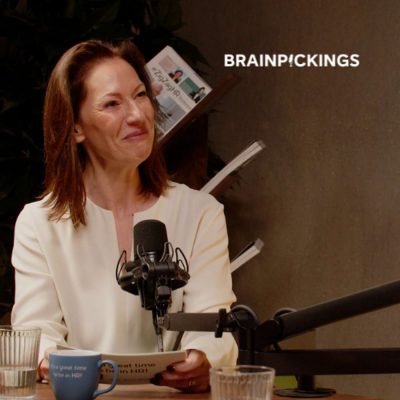
In this first episode of our four-part podcast series on Deloitte’s 2026 Global Human Capital Trends report, Lesley Arens speaks with Yves Van Durme and Karolien Martens from Deloitte Belgium about the shift From Tensions to Tipping Points and the choices that will shape the future of work.
Last year’s report explored the tensions organizations face. This year, the emphasis moves to tipping points. Almost seven in ten respondents say that becoming fast and nimble will be their organization’s main competitive strategy. That changes the conversation: organizations can no longer keep balancing competing priorities indefinitely. They need to choose a direction.
The report identifies three major shifts:
(1) From Humans + Machines to Humans × Machines
(2) From Cost Efficiency to Value Creation
(3) From Static Plans to Dynamic Orchestration
Together, they challenge organizations to move beyond simply adding AI to existing processes. Automating yesterday’s operating model may make work faster, but it does not necessarily make it better or create more value. The more fundamental question is what work should look like when human capabilities and technology are designed to strengthen each other.
That starts with intention. Why is the organization using AI? Who should benefit? Which decisions should improve? And what will happen with the time that automation frees up? Without clear answers, AI risks producing more activity and additional workload without creating meaningful value.
The conversation also explores the trade-offs behind AI adoption. When routine work disappears, organizations may also remove the experiences through which people traditionally developed expertise. Junior employees cannot simply move into high-value work without first acquiring the judgement that often comes from solving difficult and messy cases. Learning paths will therefore need to be redesigned alongside the work itself.
Human judgement becomes more important, not less. AI can analyse information, identify patterns and suggest decisions at great speed. People still need to interpret those suggestions within the context of their organization, decide which considerations matter most and take responsibility for the outcome.
Yves and Karolien argue that the central challenge is not to develop an AI strategy for its own sake. It is to decide what the organization wants people, technology and intelligent agents to contribute in the future.
That also requires an honest discussion about how the benefits of AI will be shared. Who gains from the time saved, the productivity created and the work redesigned? Trust will depend partly on whether employees, customers and the organization itself can recognize their place in that answer.
The message for leaders is clear: decide deliberately what to automate, what to augment and which human capabilities to preserve. AI may set a new pace, but organizations still choose what kind of work, leadership and culture they want that technology to support.
===
Deloitte Global Human Capital Trends 2027 Survey
Which human capital trends will shape 2027, and how prepared are organizations to respond?
>> Share your perspective by completing Deloitte’s global survey.
>> It takes approximately 10 minutes, and all responses remain confidential.
https://surveyna.qualtrics.com/jfe/form/SV_8cU4YI3oeQyiLT8?Channel=InternalComms
Honger naar meer?
- SCHRIJF JE IN VOOR DE NIEUWSBRIEF
- BLIJF OP DE HOOGTE VAN ALLE HR-ACTUA
- ABONNEER JE OP HET #ZIGZAGHR BOOKAZINE
It's a great time to be in HR!
www.zigzaghr.be