

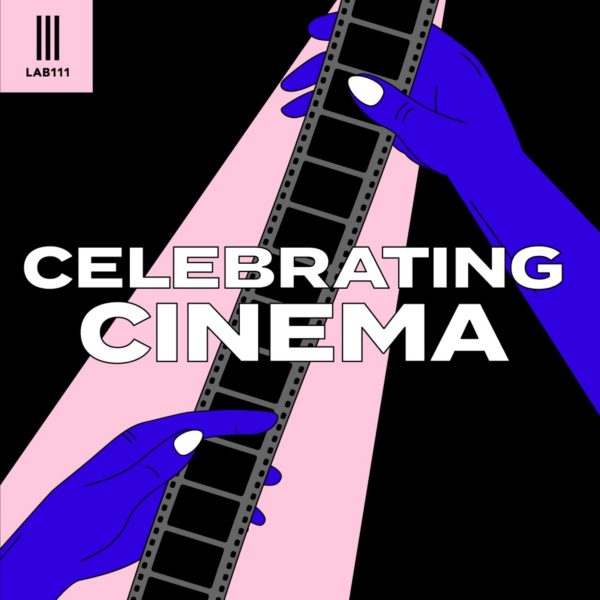
Celebrating Cinema
- Épisodes
- 178
- Parution
- hebdomadaire
- Dernier épisode
- 11 Nov 2026
À propos du podcast
A podcast for the love of cinema. Amsterdam's LAB111 film podcast on the cinema that matters — debates, rankings, and director deep dives, every Thursday. From cult classics to today's most-talked-about releases, Laura Gommans (film journalist), Hugo Emmerzael (film critic), Kiriko Mechanicus (filmmaker) and Tom Ooms (film programmer) take turns asking what films tell us about ourselves, our culture, and the times we live in. Show notes and the CC newsletter at celebratingcinema.com. You can get in touch at [email protected]
Épisodes 178
Boots Riley On I Love Boosters And Making Anti-Capitalist Cinema In Hollywood
Can you dismantle capitalism from inside Hollywood? For filmmaker, musician and outspoken communist Boots Riley, the contradictions of working within the very system he seeks to challenge have become central to …
Notes de l’épisode
Can you dismantle capitalism from inside Hollywood? For filmmaker, musician and outspoken communist Boots Riley, the contradictions of working within the very system he seeks to challenge have become central to his filmmaking, fuelling some of contemporary cinema’s most distinctive political satire.
From his breakthrough feature Sorry to Bother You to the surreal television series I’m a Virgo and his latest film I Love Boosters, Riley has developed a distinctly absurdist cinematic language that makes the mechanisms of capitalism impossible to ignore. In conversation with producer Elliot Bloom, he reflects on his journey from politically charged hip-hop group The Coup to filmmaking, the possibilities of communicating radical politics through popular entertainment, and why emotional storytelling can reach audiences in ways political theory alone cannot.
They also discuss the relationship between individual political awakening and collective action, the challenges of making anti-capitalist films within Hollywood, and cinema’s potential to help us imagine alternatives to the world we live in. After all, exposing what is wrong with the world is one thing. Imagining what comes next is another.
Get tickets to I Love Boosters @ LAB111
Get tickets to Sorry To Bother You @ LAB111
Can Cinema Teach Us How To Protest?
Can cinema teach us how to protest?In this episode of Celebrating Cinema, Elliot and Kiriko explore the possibilities and limitations of cinema as a tool for political resistance, and how imagining a different …
Notes de l’épisode
Can cinema teach us how to protest?
In this episode of Celebrating Cinema, Elliot and Kiriko explore the possibilities and limitations of cinema as a tool for political resistance, and how imagining a different world might help us change the one we live in. Through two films that couldn't be more different, Boots Riley's I Love Boosters (2026), which turns the fight against capitalism into a candy-coloured, anarchic spectacle, and Felipe Bustos Sierra's documentary Everybody to Kenmure Street (2025), which revisits an extraordinary day in Glasgow when an entire neighbourhood mobilised to stop the deportation of two men.
What can Hollywood fantasy teach us about collective action, and what happens when resistance moves from the screen into the streets? From Riley's unapologetic communist politics and the contradictions of making revolutionary cinema within the Hollywood system to Third Cinema and the radical imagination of Sorry to Bother You, we consider how films can expand our political imagination, challenge established ideas about power and perhaps even inspire action beyond the cinema.
But there's a difference between imagining revolution and making it happen. What can cinema teach us about the realities of organising, resisting and building something different?
Get tickets to I Love Boosters @ LAB111
Get tickets to Sorry To Bother You @ LAB111
Get tickets to Donnie Darko @ LAB111
Get tickets to Film & Food:
How Robert Pattinson Went From Twilight To The Weirdest Guy In Hollywood
Robert Pattinson went from playing the ultimate teen heartthrob in Twilight to taking on some of the strangest roles in contemporary cinema.Host Laura Gommans is joined by producer Elliot Bloom to review Lance …
Notes de l’épisode
Robert Pattinson went from playing the ultimate teen heartthrob in Twilight to taking on some of the strangest roles in contemporary cinema.
Host Laura Gommans is joined by producer Elliot Bloom to review Lance Oppenheim’s Primetime, in which Pattinson plays Chris Hansen, the host of To Catch a Predator. From the bizarre world of sensationalist reality TV to Pattinson’s wonderfully weird career choices, we discuss how an actor who could have played romantic leads forever instead gravitated towards filmmakers like David Cronenberg, Claire Denis and the Safdie brothers.
Also in this episode, we share excerpts from Laura’s conversations with Clayface stars Tom Rhys Harries and Naomi Ackie, and director James Watkins, about the films that inspired them while making this new DC origin story.
Get tickets to Primetime @ LAB111
Get tickets to Imagine Film Festival @ LAB111
Get tickets to Little Shop Of Horrors @ LAB111
Get tickets to Prime Pattinson @ LAB111
A LAB111 production. Edited and produced by Elliot Bloom, co-produced by Laura Gommans. Music by Hugo Emmerzael. Artwork by Studio FFF.
Why Does Hollywood Love Remaking Foreign Films?
Hollywood loves a remake. But why take a film that already works and make it all over again? Host Laura Gommans sits down with LAB111’s Head of Cinema, Tom Ooms, to dig into Hollywood’s habit of reworking films …
Notes de l’épisode
Hollywood loves a remake. But why take a film that already works and make it all over again? Host Laura Gommans sits down with LAB111’s Head of Cinema, Tom Ooms, to dig into Hollywood’s habit of reworking films from around the world and what happens when it gets its hands on someone else’s story.
From Masayuki Suô’s Shall We Dance? and its Richard Gere-starring remake to Funny Games, The Vanishing and Force Majeure, they look at the changes that can turn a film into something completely different. There are American happy endings, cultural misunderstandings and the occasional remake that becomes a classic in its own right, as with Martin Scorsese’s The Departed, adapted from Hong Kong thriller Infernal Affairs.
With Odyssey Classics re-releasing the original Japanese Shall We Dance?, it’s a good moment to consider Hollywood’s never-ending impulse to remake the world in its own image.
Get tickets to Shall We Dance? @ LAB111
Get tickets to Cine Of The Times: Under The Skin @ LAB111
A LAB111 production. Edited and produced by Elliot Bloom, co-produced by Laura Gommans. Music by Hugo Emmerzael. Artwork by Studio FFF.
Rodrigo Sorogoyen on The Beloved: Can Cinema Heal Us?
What can cinema really fix? In The Beloved, Spanish filmmaker Rodrigo Sorogoyen (The Beasts, Mother) explores the complicated relationship between a powerful film director and his estranged daughter, using the …
Notes de l’épisode
What can cinema really fix? In The Beloved, Spanish filmmaker Rodrigo Sorogoyen (The Beasts, Mother) explores the complicated relationship between a powerful film director and his estranged daughter, using the filmmaking process itself to examine questions of identity, domination and abandonment.
In conversation with film critic Hugo Emmerzael, Sorogoyen discusses turning the camera on cinema itself, experimenting with different visual languages, and creating a film within a film inspired by the work of Terrence Malick. He also reflects on his recurring interest in toxic masculinity, his collaboration with screenwriter Isabel Peña, and the personal experiences of fatherhood, loss and family history that shaped The Beloved.
Can art repair what life has broken? For Sorogoyen, cinema might not fix everything, but it can help us understand ourselves, and each other, a little better.
Get tickets to The Beloved @ LAB111
A LAB111 production. Edited and produced by Elliot Bloom, co-produced by Laura Gommans. Music by Hugo Emmerzael. Artwork by Studio FFF.
Cine Of The Times | Walk Hard Should Have Killed The Musical Biopic
In 2007, Walk Hard: The Dewey Cox Story tore the music biopic apart so thoroughly that Hollywood should never have been able to make one with a straight face again. It flopped. Since then, we’ve had Bohemian …
Notes de l’épisode
In 2007, Walk Hard: The Dewey Cox Story tore the music biopic apart so thoroughly that Hollywood should never have been able to make one with a straight face again. It flopped. Since then, we’ve had Bohemian Rhapsody, Rocketman, Elvis and, this year, Michael. So what went wrong?
For the latest Cine of the Times, film critic Hugo Emmerzael and media scholar Dan Hassler-Forest revisit Jake Kasdan’s merciless parody to figure out why the music biopic refuses to die. They get into how much of the supposedly "true" story never actually happened, the difference between inhabiting a star and simply imitating one, and John C. Reilly’s commitment to playing every absurd cliché completely straight. They also ask what happens when the music industry turns its back catalogue into algorithm-friendly jukebox movies.
Recorded again online after the producer lost the first take.
Get tickets to Cine Of The Times: Walk Hard: The Dewey Cox Story @ LAB111.
Get tickets to Cine Of The Times: Under the Skin @ LAB111.
A LAB111 production. Edited and produced by Elliot Bloom, co-produced by Laura Gommans. Music by Hugo Emmerzael. Artwork by Studio FFF.
Digger: Can Tom Cruise Ever Stop Being Tom Cruise?
For forty years, Tom Cruise has sold us one thing: a man who will not stop running. In Digger (2026), Alejandro G. Iñárritu casts him as an oil tycoon in prosthetics, only for the trailer to remind us of every …
Notes de l’épisode
For forty years, Tom Cruise has sold us one thing: a man who will not stop running. In Digger (2026), Alejandro G. Iñárritu casts him as an oil tycoon in prosthetics, only for the trailer to remind us of every Tom Cruise who came before. What happens when the ultimate movie star tries to disappear into a role?
Laura Gommans and producer Elliot Bloom take Digger as a starting point to ask whether a movie star can ever truly play against type, or whether the persona is always visible beneath the performance. From Henry Fonda turning killer in Once Upon a Time in the West to Adam Sandler unravelling in Punch-Drunk Love, they explore why some of the most revealing performances happen when actors push against the image we already have of them. And what happens when Jesse Plemons walks into Digger and threatens to steal the show?
A follow-up to our earlier episode asking whether Tom Cruise could save cinema. The first half is spoiler-free. The alarm sounds at 18:01.
Tell us how you'd rate it. We can't decide.
Get tickets to Digger @ LAB111
Get tickets to Shall We Dance? (Ballroom Dancing Workshop) @ LAB111
Get tickets to Film and Food: Do The Right Thing @ LAB111
A LAB111 production. Edited and produced by Elliot Bloom, co-produced by Laura Gommans. Music by Hugo Emmerzael. Artwork by Studio FFF.
Why Is Dutch Cinema Struggling to Find Its Audience?
From Paul Verhoeven to Hoyte van Hoytema to Halina Reijn, Dutch filmmakers have made a mark far beyond the Netherlands. But why doesn’t Dutch cinema travel as far as the talent it produces?For this Nederlands …
Notes de l’épisode
From Paul Verhoeven to Hoyte van Hoytema to Halina Reijn, Dutch filmmakers have made a mark far beyond the Netherlands. But why doesn’t Dutch cinema travel as far as the talent it produces?
For this Nederlands Film Festival special, Celebrating Cinema host Elliot Bloom speaks with actor Yootha Wong-Loi-Sing, director Mees Peijnenburg and producer Leontine Petit, who co-produced the Oscar-nominated Brazilian film The Secret Agent.
Together, they discuss what Dutch cinema gains from international collaboration, why homegrown films struggle to find audiences, and the tension between making films for the Dutch market and competing internationally. What would it take to build a Dutch cinema that can connect at home and travel abroad?
Can Cinema Show Us What We Can’t See? — NFF Special w/ Amanda van Hesteren & Emma Lesuis
For this Nederlands Film Festival special, Kiriko Mechanicus meets two rising Dutch filmmakers who use cinema to get closer to people and histories — and to find out what lies beyond what they already …
Notes de l’épisode
For this Nederlands Film Festival special, Kiriko Mechanicus meets two rising Dutch filmmakers who use cinema to get closer to people and histories — and to find out what lies beyond what they already know.
Amanda van Hesteren's Dagen met Blue is built around the trust between filmmaker and subject. Kiriko chats to Amanda about her fascination with people in all their colours, how she creates the space for Blue to open up, and what she can learn about someone by spending enough time with them to look beyond the version of themselves they show the world.
In Bagasi – wat we meedragen, Emma Lesuis investigates her family's colonial history in Suriname. By combining documentary and theatre, Emma finds a way into a history that runs through both the colonised and the coloniser in her own family and, in the process, comes to see that history differently.
Sometimes, you have to make the film to understand what you're actually looking at.
Watch Dagen Met Blue @ NFF
Watch Bagasi on NPO
Manufacturing Consent: How 9/11 Changed Hollywood
How did 9/11 change Hollywood and when does entertainment become propaganda?Marking 25 years since 9/11 and coinciding with LAB111’s Manufacturing Consent programme, Elliot Bloom and film critic Hugo Emmerzael …
Notes de l’épisode
How did 9/11 change Hollywood and when does entertainment become propaganda?
Marking 25 years since 9/11 and coinciding with LAB111’s Manufacturing Consent programme, Elliot Bloom and film critic Hugo Emmerzael trace cinema’s long relationship with propaganda and political power. From revolutionary montage and The Battle of Algiers to Black Hawk Down, Zero Dark Thirty and Iron Man, they look at how wars are sold, enemies invented and ideology turned into entertainment.
At the centre of the conversation is the profound shift in American cinema after 9/11, when the War on Terror became embedded in Hollywood storytelling and spectacle. Elliot and Hugo unpack why propaganda rarely announces itself as propaganda, and how the films we watch can shape whose stories we believe, whose violence we accept and who gets cast as the enemy.
Get tickets to Manufacturing Consent @ LAB111
Get tickets to Film Lecture: Cinematic Ghosts of 9/11 @ LAB111
Get tickets to Akira @ LAB111
Get tickets to Film & Food series @ LAB111
A LAB111 production. Edited and produced by Elliot Bloom, co-produced by Laura Gommans. Music by Hugo Emmerzael. Artwork by Studio FFF.
Did Terminator 2 Ruin How We Imagine The End Of The World?
Thirty-five years after Terminator 2: Judgment Day, cinema is still imagining the end of the world through killer machines, nuclear war, viruses and alien invasions. But did one of the greatest blockbusters …
Notes de l’épisode
Thirty-five years after Terminator 2: Judgment Day, cinema is still imagining the end of the world through killer machines, nuclear war, viruses and alien invasions. But did one of the greatest blockbusters ever made teach us to imagine the apocalypse all wrong?
With Terminator 2 returning to our screens in 4K, producer Elliot Bloom and filmmaker Kiriko Mechanicus ask why cinema is so obsessed with watching the world end and why Hollywood tends to make collapse so spectacular. Through Children of Men, Idiocracy and Brazil, they look beyond the big cinematic apocalypse to the dystopias where life simply carries on.
From our need to give the things we fear a human face to our strange enjoyment of watching everything fall apart, the conversation explores what these imagined futures reveal about the world we already live in. And whether dystopian cinema, rather than simply indulging our worst fears, might give us a way of imagining something different.
Get tickets to Terminator 2: Judgement Day @ LAB111
Get tickets to Akira @ LAB111
Get tickets to The Big Lebowski @ LAB111
Why Is Cinema Just Like My Mother?
“My mother and cinema are my two teachers in life, each in their own peculiar ways.”Filmmaker Kiriko Mechanicus and producer Elliot Bloom explore the parallels between these two teachers: the women who raise …
Notes de l’épisode
“My mother and cinema are my two teachers in life, each in their own peculiar ways.”
Filmmaker Kiriko Mechanicus and producer Elliot Bloom explore the parallels between these two teachers: the women who raise us, and the films that show us how to live, love and understand the world.
Coinciding with the 50th anniversary and re-release of Cría Cuervos, they look at a series of films from the 1970s — including Carrie, The Exorcist and Grey Gardens — in which the relationship between mothers and daughters becomes a way of thinking about changing ideas of womanhood, motherhood and what women are expected to be. At a time when those expectations were beginning to shift, these films capture some of the anxieties, desires and contradictions surrounding that change.
What do we inherit from our mothers? And what do we learn from cinema? Sometimes the two are not so different: both give us images of who we might become, what we might fear, and what we might choose to do differently.
Get tickets to Cría Cuervos @ LAB111
Get tickets to Mothers & Daughters @ LAB111
A LAB111 production. Edited and produced by Elliot Bloom, co-produced by Laura Gommans. Music by Hugo Emmerzael. Artwork by Studio FFF.
Cine Of The Times: Did No Country For Old Men Predict Trump’s America?
In 2007, the Coen Brothers made a thriller set in 1980 that somehow captured an American dread that hadn't fully arrived yet. Critic Hugo Emmerzael and academic Dan Hassler-Forest return to No Country for Old …
Notes de l’épisode
In 2007, the Coen Brothers made a thriller set in 1980 that somehow captured an American dread that hadn't fully arrived yet. Critic Hugo Emmerzael and academic Dan Hassler-Forest return to No Country for Old Men — the coin toss, the deaths that happen offscreen, the sheriff who solves nothing — to ask how a film everybody already loves quietly called the next twenty years.
Hugo and Dan get into the film's nihilism, its collapse of the Western hero and detective who restores order, and the strange afterlife of Javier Bardem's iconic Anton Chigurh: from Oscar winner to right-wing meme. JD Vance has even used Chigurh's monologue in a political speech, while Pete Hegseth apparently mistook Pulp Fiction for the Bible.
And what does No Country for Old Men have in common with Euphoria? What felt like a disturbing vision of a society emptied of values in 2007 can now feel less like a warning than a description of everyday life.
Get tickets to Cine Of The Times: No Country For Old Men @ LAB111
A LAB111 production. Edited and produced by Elliot Bloom, co-produced by Laura Gommans. Music by Hugo Emmerzael. Artwork by Studio FFF.
Can Cinema Teach Us How to Pay Attention? — What Playtime, Ikiru & After Hours Asks Of Us
We’re constantly told to slow down and be present, but what does it actually mean to pay attention when so much of modern life is designed to scatter it?This summer, French auteur Jacques Tati returns to LAB111 …
Notes de l’épisode
We’re constantly told to slow down and be present, but what does it actually mean to pay attention when so much of modern life is designed to scatter it?
This summer, French auteur Jacques Tati returns to LAB111 in six newly restored 4K classics, including his magnum opus PlayTime. Few filmmakers have looked at modern life with Tati’s comic precision: traffic becomes choreography, bureaucracy becomes absurd theatre and the city itself becomes a machine for distraction.
Producer Elliot Bloom and filmmaker Kiriko Mechanicus explore attention, bureaucracy and urban life through Tati’s PlayTime, Kurosawa’s Ikiru and Scorsese’s After Hours, looking at what happens when the structures of modern life become so consuming that we stop noticing the lives we’re actually living.
But if paying attention has become something we increasingly struggle to do, what should we make of films that turn it into a virtue? In Perfect Days, is noticing the world a genuine alternative to modern life — or are we fetishising attention itself?
Get tickets to It's Cinema! The Films of Jacques Tati @ LAB111
Get tickets to After Hours @ LAB111
Get tickets to Cine Of The Times: No Country For Old Men @ LAB111
A LAB111 production. Edited and produced by Elliot Bloom, co-produced by Laura Gommans. Music by Hugo Emmerzael. Artwork by Studio FFF.
When Does A Film Become Camp?
What makes a film camp? Is it something filmmakers create, or something audiences discover?To celebrate Pride Month and LAB111's Camp, Cult & Queer programme, filmmaker Kiriko Mechanicus is joined by film …
Notes de l’épisode
What makes a film camp? Is it something filmmakers create, or something audiences discover?
To celebrate Pride Month and LAB111's Camp, Cult & Queer programme, filmmaker Kiriko Mechanicus is joined by film programmer Alicia Bergamelli to unpack one of cinema's most elusive ideas. Drawing on Susan Sontag's famous essay Notes on "Camp", they explore where camp came from, why it has become inseparable from queer culture, and how audiences can completely reshape a film's meaning over time.
Through films including Bound, Cruising, Pink Flamingos, The Rocky Horror Picture Show and What Ever Happened to Baby Jane?, they discuss the difference between intentional and accidental camp, why works once dismissed or condemned can become beloved classics, and what these changing reputations reveal about cinema, identity and the communities that keep films alive.
Get tickets to Camp Cult & Queer @ LAB111
Get tickets to Y Tu Mama Tambien @ LAB111
Get tickets to Cine Of The Times: No Country For Old Men @ LAB111
Get tickets to The Departed @ LAB111
Why Black Girl Still Matters 60 Years Later w/ Djeneba Saccoh
Who gets to tell a story? And who gets to see themselves reflected on screen?Sixty years after its release, Ousmane Sembène's Black Girl (La Noire de..., 1966) remains one of the defining works of African …
Notes de l’épisode
Who gets to tell a story? And who gets to see themselves reflected on screen?
Sixty years after its release, Ousmane Sembène's Black Girl (La Noire de..., 1966) remains one of the defining works of African cinema. Restored in 4K and re-released by Odyssey Classics for its anniversary, Sembène's groundbreaking debut follows Diouana, a young Senegalese woman who travels to France believing she's beginning a new life, only to find herself trapped within the lingering structures of colonial power.
Filmmaker Kiriko Mechanicus is joined by filmmaker and archivist Djeneba Saccoh to discuss why Black Girl still feels so vital today. Together they unpack the quiet resistance woven through the film—from Diouana's inner monologue to the carved mask that passes between worlds.
From there, Kiriko and Djeneba trace the film's influence through Mati Diop's Dahomey to Souleymane Cissé's Den Muso, exploring how filmmakers across generations have continued to grapple with questions of representation, power and who gets to tell their own story.
New to Ousmane Sembène? We recommend listening to our companion interview with his son, Alain Sembène, in which producer Elliot Bloom explores the life, philosophy and legacy of the filmmaker often described as the father of African cinema.
Get tickets to Black Girl @ LAB111
Get tickets to Cine Of The Times: No Country For Old Men @ LAB111
Who Really Was the Father Of African Cinema? — Ousmane Sembène, By His Son Alain
Some filmmakers don't just make great films, they change who cinema is for.60 years ago, Ousmane Sembène's Black Girl (La Noire de...) announced a new cinematic voice to the world. Through the story of a young …
Notes de l’épisode
Some filmmakers don't just make great films, they change who cinema is for.
60 years ago, Ousmane Sembène's Black Girl (La Noire de...) announced a new cinematic voice to the world. Through the story of a young Senegalese woman working for a French family, Sembène exposed the brutal realities of colonialism while proving that African stories could—and should—be told on their own terms.
To mark the film's 60th anniversary, producer Elliot Bloom speaks with Alain Sembène, the filmmaker's son, about the remarkable life and philosophy behind one of cinema's true pioneers.
Together, they discuss why Sembène turned from literature to filmmaking, why he believed cinema could become "the people's night school," and how he dedicated his career to challenging audiences to question the systems that shape their lives.
Get tickets to Black Girl @ LAB111
Get tickets to Cine Of The Times: No Country For Old Men @ LAB111
A LAB111 production. Edited and produced by Elliot Bloom, co-produced by Laura Gommans. Music by Hugo Emmerzael. Artwork by Studio FFF.
Is Christopher Nolan's The Odyssey Just 6 Great Scenes?
Why are journeys one of cinema's defining storytelling forms? Christopher Nolan's The Odyssey brings one of literature's greatest journeys to the screen. Laura Gommans and Tom Ooms discuss whether the film …
Notes de l’épisode
Why are journeys one of cinema's defining storytelling forms?
Christopher Nolan's The Odyssey brings one of literature's greatest journeys to the screen. Laura Gommans and Tom Ooms discuss whether the film succeeds as an epic, why Nolan's obsession with IMAX shapes the experience as much as the storytelling, and whether a cast this famous ever lets the world of the film feel fully inhabited.
They also introduce LAB111's new season of quests, exiles and homecomings, from Aguirre, the Wrath of God and Beau Is Afraid to The Seventh Seal, asking what these films reveal about why cinema returns to stories of people searching for a place to belong.
Get tickets to The Odyssey @ LAB111
Get tickets to It's Not The Destination, It's The Journey @ LAB111
Get tickets to Cine Of The Times: No Country For Old Men @ LAB111
A LAB111 production. Edited and produced by Elliot Bloom, co-produced by Laura Gommans. Music by Hugo Emmerzael. Artwork by Studio FFF.
Has Letterboxd Changed The Way We Watch Films?
Do ratings help us discover great films or have they quietly changed the way we watch?Before you've even bought a ticket, you probably know the Letterboxd average, the IMDb score or the Rotten Tomatoes …
Notes de l’épisode
Do ratings help us discover great films or have they quietly changed the way we watch?
Before you've even bought a ticket, you probably know the Letterboxd average, the IMDb score or the Rotten Tomatoes percentage. Somewhere between the opening scene and the closing credits, many of us are already deciding on a number of our own.
Laura Gommans is joined by producer Elliot Bloom to discuss what ratings have done to film culture. From an IMDb Top 250 that barely changes to Rotten Tomatoes' aggregate scores, they explore how audience opinion shapes everything from blockbuster filmmaking to the rise of safe, audience-tested stars, and why the best films rarely fit neatly into a number.
Get tickets to Girly Pop! But I'm A Cheerleader @ LAB111
Get tickets to Schmutz Cinema: Close-Up On Latex @ LAB111
A LAB111 production. Edited and produced by Elliot Bloom, co-produced by Laura Gommans. Music by Hugo Emmerzael. Artwork by Studio FFF.
The Watermelon Woman at 30: Cheryl Dunye's Queer Cinema Landmark
The Watermelon Woman (1996) was Cheryl Dunye's debut and the first American feature directed by a Black lesbian. A film that slips between video-store romance and a forged archive, asking who gets recorded by …
Notes de l’épisode
The Watermelon Woman (1996) was Cheryl Dunye's debut and the first American feature directed by a Black lesbian. A film that slips between video-store romance and a forged archive, asking who gets recorded by cinema and who gets written out of it. Thirty years on, it has been restored, added to the Criterion Collection, and, for the very first time, released in Dutch cinemas.
Filmmaker Kiriko Mechanicus is joined by Justine Knijn, distributor at Eye Filmmuseum and the person bringing the film to the Netherlands. They get into the film's faked documentary structure and its late reveal; the 1996 sex scene that drew conservative backlash over its tiny public budget; and the satire of academia.
A conversation about lesbian film history, restoration, and the long afterlife of films the industry tried to forget and a case for a mainstream gay summer.
Get tickets to The Watermelon Woman @ LAB111
Get tickets to Cine Of The Times: No Country For Old Men @ LAB111
Get tickets to Fight The Power: Palestine 36 @ LAB111
Get tickets to Girly Pop! But I'm A Cheerleader @ LAB111
Get tickets to Schmutz Cinema: Close-Up On Latex @ LAB111
🎧 New episodes weekly. Leave a review to help more people find us.
A LAB111 production. Edited and produced by Elliot Bloom, co-produced by Laura Gommans. Music by Hugo Emmerzael. Artwork by Studio FFF.
Did Movies Invent Alien Encounters?
Nobody has ever filmed a real alien, so why do they all look the same? The grey skin, the black almond eyes, sixty years running. This week Laura Gommans is joined by historian Alexander Bartels, who curated …
Notes de l’épisode
Nobody has ever filmed a real alien, so why do they all look the same? The grey skin, the black almond eyes, sixty years running.
This week Laura Gommans is joined by historian Alexander Bartels, who curated LAB111's We Are Not Alone season, for a conversation about the gap between the aliens cinema gives us and the things people actually report seeing. On screen: greys, flying saucers, humanoid visitors. From the real records that Bartels studies: declassified military footage, radar data, government files from around the world there are mostly orbs and lights, unspectacular and almost impossible to film. So where did the grey come from? They follow the loop back to one telling case: The Bellero Shield, an episode of The Outer Limits that aired in February 1964, twelve days before Barney Hill, under hypnosis, drew the wrap-around-eyed alien that matched it almost exactly.
Screen and sighting have been copying each other ever since, right up to a 2024 Pentagon report that blames film and television for what people believe they've seen. Has cinema ever shown us something genuinely other, or only ever redrawn ourselves?
Get tickets to Disclosure Day @ LAB111
Get tickets to We Are Not Alone @ LAB111
A LAB111 production. Edited and produced by Elliot Bloom, co-produced by Laura Gommans. Music by Hugo Emmerzael. Artwork by Studio FFF.
Is Disclosure Day Spielberg's Most Hopeful Film Or His Most Naive?
Steven Spielberg spent fifty years teaching us to look up. When the Pentagon released its real alien files, nobody blinked. His new film Disclosure Day marks the day the truth finally lands — this time his …
Notes de l’épisode
Steven Spielberg spent fifty years teaching us to look up. When the Pentagon released its real alien files, nobody blinked. His new film Disclosure Day marks the day the truth finally lands — this time his aliens look back at us, but the question is whether anyone still believes him.
Fresh from the Tuschinski premiere, Laura Gommans and producer Elliot Bloom get into late Spielberg — shortcuts, or message over quality — empathy as the ruling emotion of the universe, and whether cinema's great sentimentalist can still earn the tears. One of them cried twice. The other counted seventy FBI agents with no peripheral vision.
With a voice note from BBC film critic Ali Plumb on the night Spielberg crashed his pub quiz, and a listener's hot take on thirty wet years of Spielberg's cinematographer Janusz Kamiński.
Spoilers from 18:06 — come back when you've seen it.
Get tickets to Disclosure Day @ LAB111
Get tickets to We Are Not Alone @ LAB111
A LAB111 production. Edited and produced by Elliot Bloom, co-produced by Laura Gommans. Music by Hugo Emmerzael. Artwork by Studio FFF.
Fast & Furious: How the Franchise Remade Hollywood (w/ Dan Hassler-Forest)
The Fast and the Furious (Rob Cohen, 2001) was a small film about Los Angeles street racers, immigrant car culture, and a cop who didn't want to be one. Twenty-five years on it's a seven-billion-dollar …
Notes de l’épisode
The Fast and the Furious (Rob Cohen, 2001) was a small film about Los Angeles street racers, immigrant car culture, and a cop who didn't want to be one. Twenty-five years on it's a seven-billion-dollar franchise where cars get launched into space and "family" is a marketing strategy. From Echo Park to outer space — what does that arc tell us about Hollywood?
This is the first part of Cine of the Times, a new monthly Celebrating Cinema strand. Each month, critic Hugo Emmerzael (Filmkrant, Locarno) and media studies scholar Dan Hassler-Forest (Utrecht University) take one film from the century so far, ranging from arthouse to spectacular pulp. This month: the serialised blockbuster, the economics of the sequel, and how a street-racing B-movie became the template for the modern studio franchise.
Listen first. Then join us at LAB111 on Wednesday 17 June — curated clips, an extended introduction, and a post-screening discussion. Get your tickets here.
A film podcast from LAB111 — Amsterdam's arthouse cinema for independent and cult films. Produced by Elliot Bloom.
The Backrooms, Explained: Kane Parsons & the A24 Feature
Kane Parsons made the Backrooms on YouTube when he was only sixteen. Over 200 million views later, A24 has handed him his feature debut, making him the studio's youngest director ever at 20. But the yellow …
Notes de l’épisode
Kane Parsons made the Backrooms on YouTube when he was only sixteen. Over 200 million views later, A24 has handed him his feature debut, making him the studio's youngest director ever at 20. But the yellow walls still don't end.
This week Laura Gommans and Elliot Bloom go into the maze and come back with an answer that has very little to do with what's actually inside. The Backrooms, they argue, is about us, stuck in our own feedback loop, drifting through vacant spaces.
Online, half the internet thinks Kane Parsons couldn't have directed such a hit so young. Mark Duplass, who was on set the whole time, says they're wrong. Chiwetel Ejiofor and Renate Reinsve carry the screen, with James Wan and Osgood Perkins producing. Laura and Elliot ask: what does it take to direct a feature like this at 20 with a crew this experienced? And has A24 found its next pipeline for talent — skipping film school for YouTube horror directors?
Get tickets to Backrooms @ LAB111
Get tickets to Cine of The Times: The Fast And The Furious @ LAB111
Get tickets to Straight To Video: Nightmare At Noon @ LAB111
A film podcast from LAB111 — Amsterdam's arthouse cinema for independent and cult films. Produced by Elliot Bloom.
Cannes 2026 Dispatch With Peter Bradshaw
The Guardian's Peter Bradshaw has been sending dispatches from Cannes since 1999. If you ask him what's changed in 27 years, he claims: nothing. He means it as a compliment.Hugo Emmerzael sits down with the …
Notes de l’épisode
The Guardian's Peter Bradshaw has been sending dispatches from Cannes since 1999. If you ask him what's changed in 27 years, he claims: nothing. He means it as a compliment.
Hugo Emmerzael sits down with the legendary film critic on the Croisette mapping out Peter's journey through film, from his first memory of cinema through the strange, accidental route into one of the most-read critic chairs in the English-speaking press. They get into why only Cannes, among the major film festivals, still places film criticism at the heart of it all.
Plus five films that caught Peter's attention this year: Andrey Zvyagintsev's Minotaur, Paweł Pawlikowski's Fatherland, Rodrigo Sorogoyen's Beloved, Marine Atlan's La Gradiva, and Clio Barnard's I See Buildings Fall Like Lightning, and why we should value the politics inside the films rather than the statements and press conferences around them.
Get tickets to Cine of The Times: The Fast And The Furious @ LAB111
Get tickets to Moving incl. Ramen @ LAB111
Get tickets to Film Lecture: Everything Is Cinema - The Filmic Alchemy Of Jean-Luc Godard @ LAB111
A film podcast from LAB111 — Amsterdam's arthouse cinema for independent and cult films. Produced by Elliot Bloom.
Autobiographical Cinema: Why We Love to Film Ourselves
Long before phones turned every life into footage, a small line of filmmakers was already pointing the camera at themselves — not to perform, but to work out what a life was. This week, producer Elliot Bloom …
Notes de l’épisode
Long before phones turned every life into footage, a small line of filmmakers was already pointing the camera at themselves — not to perform, but to work out what a life was. This week, producer Elliot Bloom sits down with co-host Kiriko Mechanicus to talk about her new short documentary How To Catch A Butterfly — a first-person essay film that traces how ethnic fetishisation has shaped her relationships and sexual experiences as a Dutch-Japanese woman. The film had its world premiere at SXSW Documentary Short Competition 2026 and won the EMEL Short Film Grand Prize at Indie Lisboa.
Together they ask why we keep personal archives at all and what those archives teach us back, especially now, living through the most self-documented stretch of human history — through three landmarks of autobiographical documentary: Jonathan Caouette's Tarnation (2003), Bing Liu's Minding The Gap (2018), and Tom Fassaert's A Family Affair (2015).
Plus: a hot take from one of our listeners on Michael , Antoine Fuqua's long-delayed Michael Jackson biopic, now in cinemas.
Related episodes: Documentary Ethics with Miriam Guttmann · 2000 Metres To Andriivka And Why We Need Documentary Films.
Cinema Obsession: Why Films Grip Us (Vertigo, Peeping Tom)
Cinema's dirtiest little secret is that it's designed to make you want something you can never have.In this episode of Celebrating Cinema, host Laura Gommans and Tom Ooms — LAB111's Head of Cinema — talk about …
Notes de l’épisode
Cinema's dirtiest little secret is that it's designed to make you want something you can never have.
In this episode of Celebrating Cinema, host Laura Gommans and Tom Ooms — LAB111's Head of Cinema — talk about what cinema's fixations have done to them. Laura learned to write in Elvish because of The Lord of the Rings. Tom is still working out how much of his idea of relationships comes from Hitchcock's Vertigo (1958). We have all spent more time thinking about actors and characters we will never meet than is probably reasonable. Parasocial attachment used to be the strange edge of fandom. Now it's the default condition of watching.
The conversation moves through 60 years of films about obsession — Vertigo, Michael Powell's Peeping Tom (1960), and what they made possible: Misery, Perfect Blue, La Pianiste, Whiplash, Babygirl — but the question underneath is the one cinema doesn't like to answer. What does this kind of looking do to the people being looked at? The actor engineered into someone else's ideal. The face that turns into a brand. And whether cinema knows what it's done to us, or is still pretending it doesn't.
A film podcast from LAB111 — Amsterdam's arthouse cinema for independent and cult films. Programmed alongside the Can't Get You Out Of My Head season. Produced by Elliot Bloom. Tickets at lab111.nl/obsession.
Amadeus: Is It Really About Mediocrity?
Amadeus (1984, Miloš Forman) is not really about Mozart. It's a film about the rest of us — the ones who can recognise genius but will never possess it. Salieri is the true protagonist of this musical biopic …
Notes de l’épisode
Amadeus (1984, Miloš Forman) is not really about Mozart. It's a film about the rest of us — the ones who can recognise genius but will never possess it. Salieri is the true protagonist of this musical biopic. His tragedy isn't jealousy, it's clarity.
Now back in cinemas in a new 4K restoration, Laura Gommans and Tom Ooms get into mediocrity, and what it means to be desperate to be a genius and know, quietly, that you won't be. Whether musical genius is even something we value anymore. And if TikTok — full of AI Slop, or a thousand strangers going viral for no particular reason — is the logical conclusion of a culture that stopped caring.
For everyone currently in their Salieri era.
Get tickets to Amadeus @ LAB111
Get tickets to Film Lecture: My Film Is Vietnam @ LAB111
Get tickets to Can't Get You Out of My Head: Films of Obsession @ LAB111
Get tickets to Fight The Power: How To Catch A Butterfly @ LAB111
The Devil Wears Prada 2: Is Miranda Priestly A Feminist Icon Or A Toxic Boss?
Miranda once told Andy she was the greatest disappointment of her career. Twenty years on, the question isn't whether she was right — it's what Andy did with it.Laura Gommans and Elliot Bloom chat about The …
Notes de l’épisode
Miranda once told Andy she was the greatest disappointment of her career. Twenty years on, the question isn't whether she was right — it's what Andy did with it.
Laura Gommans and Elliot Bloom chat about The Devil Wears Prada and the new sequel and what they have to say about ambition, high fashion, and the specific cruelty of wanting things that cost more than you can reasonably pay. We discuss the consequences for Miranda who is now no longer untouchable — threatened by corporate money that sees a fashion magazine and thinks: overhead. Her methods belong to another era. So does her certainty.
Both films ask what we owe the people who pushed us, even when the pushing was cruel. Whether Miranda is a feminist icon or a toxic boss may matter less than what she made possible.
Plus a hot take from one of our listeners on whether screenwriters get enough credit for the worlds they create.
Get tickets to The Devil Wears Prada 2 @ LAB111
Get tickets to Girls in Film Presents: Behind The Scenes of Motherhood @ LAB111
The Devil Wears Prada (David Frankel, USA, 2006). The Devil Wears Prada 2 (USA, 2025).
Truly Naked: Can a Film Be More Intimate Than Porn?
Can a film be more intimate than pornography? Can a film be more intimate than pornography? In Truly Naked (2026), BAFTA-nominated writer-director Muriel D'Ansembourg tells the story of Alec — a teenager raised …
Notes de l’épisode
Can a film be more intimate than pornography?
Can a film be more intimate than pornography? In Truly Naked (2026), BAFTA-nominated writer-director Muriel D'Ansembourg tells the story of Alec — a teenager raised by two parents in the adult industry, who's seen everything about sex except real intimacy. A school project on porn addiction, and a feminist classmate, force him to confront how his generation actually encounters sex.
Laura Gommans sits down with Muriel to ask what cinema still knows about intimacy that the erotic industry has given up on: close-ups, the gaze, the longing for touch. And whether a film that stages intimacy so precisely is any less manipulative than pornography.
Follow LAB111 on Letterboxd
Listen back to Where Has All The Sex In Cinema Gone.
Voici les 40 derniers épisodes sur 178. Les épisodes plus anciens se trouvent dans le flux du podcast.
Podcasts similaires
Plus de podcasts : Télévision et cinéma



C’est votre podcast ?
Confirmez-le avec une entrée dans votre flux : vous recevez ici un code, vous l’ajoutez comme podcast:txt dans le canal de votre flux, et nous le vérifions. Votre podcast apparaît ensuite comme « vérifié » sur SoundNode.