

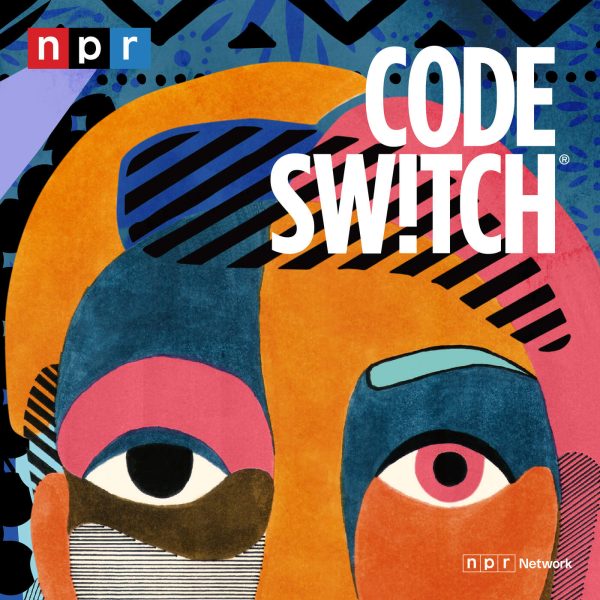
Code Switch
- Episódios
- 667
- Publicação
- várias vezes por semana
- Último episódio
- 20 nov 2026
Sobre o podcast
What's CODE SWITCH? It's the fearless conversations about race that you've been waiting for. Hosted by journalists of color, our podcast tackles the subject of race with empathy and humor. We explore how race affects every part of society — from politics and pop culture to history, food and everything in between. This podcast makes all of us part of the conversation — because we're all part of the story. Code Switch was named Apple Podcasts' first-ever Show of the Year in 2020.
Support public media by joining NPR+ at plus.npr.org. You’ll get perks for over 25 NPR podcasts, including bonus episodes and sponsor-free listening for Code Switch.
Episódios 667
Who gets to be “white”?
After an overwhelming midterm victory for Democrats, one demographic very notably did not shift blue with the others — white voters overall went red by four points. But what are we talking about when we talk …
Notas do episódio
After an overwhelming midterm victory for Democrats, one demographic very notably did not shift blue with the others — white voters overall went red by four points. But what are we talking about when we talk about white people? On this episode, we turn to the Princeton historian Nell Irvin Painter about her book, The History of White People, and how definitions of whiteness have morphed over time depending on the interests of the people creating those definitions.
This conversation originally aired on February 21, 2026
Support public media with NPR+ and enjoy perks for over 25 podcasts like this one. This show’s perks include sponsor-free listening. Learn more at plus.npr.org.
See pcm.adswizz.com for information about our collection and use of personal data for sponsorship and to manage your podcast sponsorship preferences.
NPR Privacy PolicyWhy are we still debating white supremacists? (feat. Mehdi Hasan)
In “debate me” culture, the person on the defensive is often the one whose existence is up for debate. Journalist Mehdi Hasan sat in a circle of 20 far-right conservatives on Jubilee’s “Surrounded” and was told …
Notas do episódio
In “debate me” culture, the person on the defensive is often the one whose existence is up for debate. Journalist Mehdi Hasan sat in a circle of 20 far-right conservatives on Jubilee’s “Surrounded” and was told to his face to get out of the country. Sixty years earlier, James Baldwin took on William F. Buckley Jr. at the Cambridge Union and won by a landslide. Parker talks with Hasan and Baldwin scholar Nicholas Buccola about the toll of defending yourself in public, and whether debating bigots does more harm than good.
Support public media with NPR+ and enjoy perks for over 25 podcasts like this one. This show’s perks include sponsor-free listening. Learn more at plus.npr.org.
See pcm.adswizz.com for information about our collection and use of personal data for sponsorship and to manage your podcast sponsorship preferences.
NPR Privacy PolicyHow sports betting went from “evil” to everywhere
The leagues used to call gambling evil. Now they’re in business with it, and you can’t watch a game without getting inundated by betting ads. Gene talks with journalist Danny Funt, author of Everybody Loses …
Notas do episódio
The leagues used to call gambling evil. Now they’re in business with it, and you can’t watch a game without getting inundated by betting ads. Gene talks with journalist Danny Funt, author of Everybody Loses: The Tumultuous Rise of American Sports Gambling, and Jerel Ezell, who researches addictive behavior, about how sports betting went from evil to everywhere, and why Black and Latino fans are being targeted.
Support public media with NPR+ and enjoy perks for over 25 podcasts like this one. This show’s perks include sponsor-free listening. Learn more at plus.npr.org.
See pcm.adswizz.com for information about our collection and use of personal data for sponsorship and to manage your podcast sponsorship preferences.
NPR Privacy PolicyThe white woman tears of Elizabeth Holmes
The new documentary ‘You Can See Everything’ has left audiences wondering how the line between fact and fiction is drawn, and who gets to draw it. At the center of the discourse is the film’s subject, convicted …
Notas do episódio
The new documentary ‘You Can See Everything’ has left audiences wondering how the line between fact and fiction is drawn, and who gets to draw it. At the center of the discourse is the film’s subject, convicted fraudster Elizabeth Holmes, and its co-director, comedian Nathan Fielder. Parker and Gene get into the racial and gender dynamics that many reviewers aren’t talking about with writer Hunter Harris and podcaster Ronald Young Jr.
Support public media with NPR+ and enjoy perks for over 25 podcasts like this one. This show’s perks include sponsor-free listening. Learn more at plus.npr.org.
See pcm.adswizz.com for information about our collection and use of personal data for sponsorship and to manage your podcast sponsorship preferences.
NPR Privacy PolicyJulio Torres wants more time (and five clones)
Comedian Julio Torres has made a career out of seeing the whimsical in the mundane, from the hidden meanings of shapes, colors, to the bureaucracy of the United States immigration system. Yet, he still feels …
Notas do episódio
Comedian Julio Torres has made a career out of seeing the whimsical in the mundane, from the hidden meanings of shapes, colors, to the bureaucracy of the United States immigration system. Yet, he still feels like he's running out of time to make the art he wants to. This week, Julio joins us to talk about his new book The Perfect Gift, his appearance in La Bola Negra, and the urgency of making art in this moment.
Support public media with NPR+ and enjoy perks for over 25 podcasts like this one. This show’s perks include sponsor-free listening. Learn more at plus.npr.org.
See pcm.adswizz.com for information about our collection and use of personal data for sponsorship and to manage your podcast sponsorship preferences.
NPR Privacy PolicyWho gets to joke about Israel? (feat. Ilana Glazer & Gianmarco Soresi)
Being a Jewish comic who criticizes Israel right now means getting it from all sides. Ilana Glazer and Gianmarco Soresi talk to Gene about being called self-hating, getting accused of faking being Jewish, and …
Notas do episódio
Being a Jewish comic who criticizes Israel right now means getting it from all sides. Ilana Glazer and Gianmarco Soresi talk to Gene about being called self-hating, getting accused of faking being Jewish, and watching gigs dry up. As comedy has become more intertwined with politics and power, some of the loudest critics of Israel are on the political right, and some of them traffic in antisemitic and racist tropes. Ilana and Gianmarco get into where that leaves them, and who the joke’s really on.
Support public media with NPR+ and enjoy perks for over 25 podcasts like this one. This show’s perks include sponsor-free listening. Learn more at plus.npr.org.
See pcm.adswizz.com for information about our collection and use of personal data for sponsorship and to manage your podcast sponsorship preferences.
NPR Privacy PolicyBlack voters could decide the midterms. Why are they being ignored?
Every election season, politicians remember Black voters exist, and then lecture them, pander to them or skip their doors entirely. MS NOW’s Eugene Daniels has been reporting on Black voters in Cleveland and …
Notas do episódio
Every election season, politicians remember Black voters exist, and then lecture them, pander to them or skip their doors entirely. MS NOW’s Eugene Daniels has been reporting on Black voters in Cleveland and Detroit, and he tells Parker what actually gets people to the polls (hint: it’s not guilt-tripping).
Support public media with NPR+ and enjoy perks for over 25 podcasts like this one. This show’s perks include sponsor-free listening. Learn more at plus.npr.org.
See pcm.adswizz.com for information about our collection and use of personal data for sponsorship and to manage your podcast sponsorship preferences.
NPR Privacy PolicyWeaponizing IQ: Who gets to be smart?
President Trump and Silicon Valley tech bros are obsessed with IQ, but the history of intelligence testing is full of bunk race science and eugenics. With the rise of AI's "super intelligence," should we still …
Notas do episódio
President Trump and Silicon Valley tech bros are obsessed with IQ, but the history of intelligence testing is full of bunk race science and eugenics. With the rise of AI's "super intelligence," should we still be ranking human intelligence at all? We teamed up with our play cousins from It's Been a Minute to find out who gets to be labeled as smart with Quinn Slobodian, author of Hayek’s Bastards: Race, Gold, IQ, and Angela Saini, author of Superior: The Return of Race Science.
Support public media with NPR+ and enjoy perks for over 25 podcasts like this one. This show’s perks include sponsor-free listening. Learn more at plus.npr.org.
See pcm.adswizz.com for information about our collection and use of personal data for sponsorship and to manage your podcast sponsorship preferences.
NPR Privacy PolicyWhat if men read more books
Are the men in your life reading? How do you convince people to check out more novels? This week, we turn to our play cousins at It's Been a Minute and their recent conversation with author Jason Reynolds …
Notas do episódio
Are the men in your life reading? How do you convince people to check out more novels? This week, we turn to our play cousins at It's Been a Minute and their recent conversation with author Jason Reynolds. Reynolds is the acclaimed author of young adult novels, Look Both Ways, Long Way Down, and Ghost and he joins host Brittany Luse to discuss the lessons in empathy, friendship and hope that novels can inspire in all readers.
Support public media with NPR+ and enjoy perks for over 25 podcasts like this one. This show’s perks include sponsor-free listening. Learn more at plus.npr.org.
See pcm.adswizz.com for information about our collection and use of personal data for sponsorship and to manage your podcast sponsorship preferences.
NPR Privacy PolicyHow "defund the police" became radioactive
In 2020, “defund the police” was everywhere. Now, even politicians like AOC and Zohran Mamdani have turned around on it. But some proposals that fell under the defund umbrella, like unarmed crisis responders …
Notas do episódio
In 2020, “defund the police” was everywhere. Now, even politicians like AOC and Zohran Mamdani have turned around on it. But some proposals that fell under the defund umbrella, like unarmed crisis responders and violence prevention programs, actually took hold. Gene talks with Chenjerai Kumanyika, journalism professor and creator of the Empire City podcast about the history of the NYPD. They dig into why politicians will say “abolish ICE” but not “defund the police,” and whether the public is more ready to rethink policing than the people running for office think they are.
Support public media with NPR+ and enjoy perks for over 25 podcasts like this one. This show’s perks include sponsor-free listening. Learn more at plus.npr.org.
See pcm.adswizz.com for information about our collection and use of personal data for sponsorship and to manage your podcast sponsorship preferences.
NPR Privacy PolicyWhy fascists love “fitness”
Right-wing ideology has crept into gyms across the country. Is this a new phenomenon, or is the very idea of "fitness" ripe for politicization? Is our idea of fitness inherently fascist? We find out with …
Notas do episódio
Right-wing ideology has crept into gyms across the country. Is this a new phenomenon, or is the very idea of "fitness" ripe for politicization? Is our idea of fitness inherently fascist? We find out with political commentator Hasan Piker, historian Natalia Mehlman Petrzela and professor Ava Purkiss, author of Fit Citizens. Support public media with NPR+ and enjoy perks for over 25 podcasts like this one. This show’s perks include sponsor-free listening. Learn more at plus.npr.org. …How much reality do we want in our reality TV?
Why do Black contestants on reality TV keep getting voted out first? Like a lot of people, B.A. Parker watches reality TV to escape. But seeing contestants of color on the receiving end of microaggressions …
Notas do episódio
Why do Black contestants on reality TV keep getting voted out first? Like a lot of people, B.A. Parker watches reality TV to escape. But seeing contestants of color on the receiving end of microaggressions keeps pulling her back to reality. Parker talks with Xavier Prather, Big Brother’s first Black winner, and sociologist Danielle Lindemann, author of True Story: What Reality TV Says About Us, about whether reality TV has an implicit bias problem. …How Hollywood stole the zombie from Haiti
Zombies have roots most fans have never heard of. In Haitian Vodou, being zombified meant being enslaved even in death. B.A. Parker talks to Maya Annik Bedward, director of the new documentary Black Zombie …
Notas do episódio
Zombies have roots most fans have never heard of. In Haitian Vodou, being zombified meant being enslaved even in death. B.A. Parker talks to Maya Annik Bedward, director of the new documentary Black Zombie, about how a spiritual metaphor for slavery was repackaged by Hollywood and sold back to the world, all while Haitian culture keeps getting cast as something to fear. Support public media with NPR+ and enjoy perks for over 25 podcasts like this one. …The shady deals behind data centers
Clarksdale, Mississippi, the birthplace of the blues, has been losing people, jobs, and businesses for years. Now land there has been rezoned to make room for a hyperscale data center, a process that got …
Notas do episódio
Clarksdale, Mississippi, the birthplace of the blues, has been losing people, jobs, and businesses for years. Now land there has been rezoned to make room for a hyperscale data center, a process that got underway before anyone even put the words “data center” in writing. Capital B reporter Aallyah Wright walks us through the hard bargain her hometown is weighing over a project nobody will even confirm is happening. …Let’s stop pretending we desegregated schools
Seventy years after Brown v. Board of Education, Black parents still face an impossible choice about where to send their kids. Gene talks with his twin sister about the different choices they’ve made for their …
Notas do episódio
Seventy years after Brown v. Board of Education, Black parents still face an impossible choice about where to send their kids. Gene talks with his twin sister about the different choices they’ve made for their kids, and with historian Noliwe Rooks about why Black families are still stuck choosing between schools that will teach their children and schools that will love them. Support public media with NPR+ and enjoy perks for over 25 podcasts like this one. …The Lindsay Clancy case and the women we make into monsters
The Lindsay Clancy trial captured the nation this summer, and reactions toward Clancy have been split. The case brought much needed attention to postpartum psychosis, but some question the support Clancy …
Notas do episódio
The Lindsay Clancy trial captured the nation this summer, and reactions toward Clancy have been split. The case brought much needed attention to postpartum psychosis, but some question the support Clancy received from the public. This week, we speak with writer Myriam Gurba about why some cases of family annihilation get more attention than others, why we villainize mothers and the parallels with the Latin American legend of La Llorona. …Chris Brown won't get cancelled. This is why.
When Rep. Jasmine Crockett took the stage at a Chris Brown concert to honor him, the backlash came fast. It's a familiar cycle: every few years, Brown lands back in the news, and the public relitigates a …
Notas do episódio
When Rep. Jasmine Crockett took the stage at a Chris Brown concert to honor him, the backlash came fast. It's a familiar cycle: every few years, Brown lands back in the news, and the public relitigates a history of violence stretching back to 2009. Gene talks with cultural critic Jamilah Lemieux and writer and DJ Noella Williams about why so many fans stay 10 toes down for him, and what accountability could even look like. …Do voters want woke?
Lots of progressive politicians eyeing runs for higher office are distancing themselves from the politics of 2020, like Congresswoman Alexandria Ocasio Cortez declaring, "woke 1.0 was crazy." But should they …
Notas do episódio
Lots of progressive politicians eyeing runs for higher office are distancing themselves from the politics of 2020, like Congresswoman Alexandria Ocasio Cortez declaring, "woke 1.0 was crazy." But should they be? Jamelle Bouie of The New York Times says voters are swayed more by identity than ideology — so it's less about the ideas and more about the vibes. We talk to him about who gets read as radical (even if they're not) and whether anyone who isn't a white guy can run as a populist. …Is Cuba Trump's next real estate project?
Cubans are living through near-constant blackouts after an executive order that called the Cuban government an “unusual and extraordinary threat” to U.S. national security and blocked their fuel imports. A …
Notas do episódio
Cubans are living through near-constant blackouts after an executive order that called the Cuban government an “unusual and extraordinary threat” to U.S. national security and blocked their fuel imports. A hundred-page State Department report describes Cuba as the puppeteer behind everything from the George Floyd protests to what it calls the rise of antifa. We talk to historians Michael Bustamante and Alexander Hall about the day to day effects of U.S. …Why can’t people be normal about the WNBA?
The WNBA is more popular than ever, but the growth has come with a lot of unwanted attention, like protests at games and death threats directed towards players. This week, we talk with independent journalist …
Notas do episódio
The WNBA is more popular than ever, but the growth has come with a lot of unwanted attention, like protests at games and death threats directed towards players. This week, we talk with independent journalist Frankie de la Cretaz about what brought all of this hate into the league, and NPR’s domestic extremism correspondent, Odette Yousef, about the ways the league is responding. Support public media with NPR+ and enjoy perks for over 25 podcasts like this one. …Why we’re all being watched
There’s a growing backlash to the surveillance systems that have quietly wired themselves into American neighborhoods, with concern growing among people who have never felt watched this way before. Gene talks …
Notas do episódio
There’s a growing backlash to the surveillance systems that have quietly wired themselves into American neighborhoods, with concern growing among people who have never felt watched this way before. Gene talks with historian Matthew Guariglia about how the surveillance state got built, who it was built on first, and why opposing it now unites so many factions. Support public media with NPR+ and enjoy perks for over 25 podcasts like this one. This show’s perks include sponsor-free listening. …25 years after 9/11, our definition of terrorism continues to expand
In the 25 years since 9/11, we've seen the definition of terrorism expand. The Trump administration has called more and more groups “terrorists,” from “narco-terrorists” in Ecuador to people who protest ICE to …
Notas do episódio
In the 25 years since 9/11, we've seen the definition of terrorism expand. The Trump administration has called more and more groups “terrorists,” from “narco-terrorists” in Ecuador to people who protest ICE to the entire Democratic party. This week, our conversation with Saher Selod, an expert on the surveillance of Muslims, about the effects of the war on terror after 9/11, and historian Alex Lubin about how the word “terrorist” has been used to enact violence and surveillance. …We're Miseducated on Lauryn Hill
Lauryn Hill is a generational voice, a cultural lightning rod, and one of music’s biggest what-ifs. Our very own B.A. Parker joined the Big Lives podcast, hosted by Kai Wright and Emmanuel Dzotsi, to unpack the …
Notas do episódio
Lauryn Hill is a generational voice, a cultural lightning rod, and one of music’s biggest what-ifs. Our very own B.A. Parker joined the Big Lives podcast, hosted by Kai Wright and Emmanuel Dzotsi, to unpack the meteoric rise of the Fugees frontwoman and the intense pressures that pushed one of hip-hop and R&B’s brightest stars out of the spotlight. Find Big Lives wherever you get your podcasts. Support public media with NPR+ and enjoy perks for over 25 podcasts like this one. …Freedom from fatness: Why GLP-1s go after Black bodies
Ads for GLP-1s are everywhere. This week, we dig into why so many of those ads seem to feature Black women with Sabrina Strings, author of “Fearing the Black Body” a book about the racial origins of fatphobia …
Notas do episódio
Ads for GLP-1s are everywhere. This week, we dig into why so many of those ads seem to feature Black women with Sabrina Strings, author of “Fearing the Black Body” a book about the racial origins of fatphobia. We get into the toxic comment culture around everyone from Lizzo to Ariana Grande, and how the origins of body shaming have all led us to this post-body positive moment. Support public media with NPR+ and enjoy perks for over 25 podcasts like this one. …Banana Ball's racial minstrelsy past
Banana Ball is a barnstorming baseball league revived by the tremendously popular Savannah Bananas, a team with millions of followers on TikTok and Instagram — known as much for their dance routines and …
Notas do episódio
Banana Ball is a barnstorming baseball league revived by the tremendously popular Savannah Bananas, a team with millions of followers on TikTok and Instagram — known as much for their dance routines and shenanigans as their actual baseball. Recently the league resurrected the Indianapolis Clowns, a Negro League team with a contentious history of racial minstrelsy. We talk with journalist Josh Levin, who followed the Clowns through their Banana Ball debut. …Unpacking estrangement: Who goes No Contact?
Is there a family estrangement epidemic? This week, we dig into what’s behind the no-contact movement with sociologist Rin Reczek, author of the new book, “Families We Lose.” Rin walks us through who gets cut …
Notas do episódio
Is there a family estrangement epidemic? This week, we dig into what’s behind the no-contact movement with sociologist Rin Reczek, author of the new book, “Families We Lose.” Rin walks us through who gets cut off, why the numbers look so different for Black mothers and Black fathers, and how we can start rethinking what family means. Support public media with NPR+ and enjoy perks for over 25 podcasts like this one. This show’s perks include sponsor-free listening. Learn more at plus.npr.org. …Our Ancestors Were Messy: a Black history comedy show
In 1775, half a million enslaved people had to pick a side in a war between two groups of white men who both claimed to want freedom. In this live episode of Our Ancestors Were Messy, friend of the show …
Notas do episódio
In 1775, half a million enslaved people had to pick a side in a war between two groups of white men who both claimed to want freedom. In this live episode of Our Ancestors Were Messy, friend of the show, Nichole Hill takes B.A. Parker and Gene Demby through the choices one man made – from a South Carolina plantation, to the British lines, to Nova Scotia, to Sierra Leone. It's a choose-your-own-adventure through history where there are no great options. …Trump is demanding English — while defunding ESL
Last year President Trump made English the official language of the United States. Then his administration moved to zero out the federal money that teaches it. But even fully funded, those programs reached …
Notas do episódio
Last year President Trump made English the official language of the United States. Then his administration moved to zero out the federal money that teaches it. But even fully funded, those programs reached fewer than five-percent of the 25 million adults in this country still learning English. Code Switch producer Xavier Lopez watched his own parents struggle to learn the language when he immigrated here as a kid. …Jay-Z has F-you money. Is he saying it to the wrong people?
Jay-Z says he's a business, man. He sold out Yankee Stadium for three nights, and used the stage to answer everyone calling him a sellout. The billionaire released the 30th-anniversary edition of his debut …
Notas do episódio
Jay-Z says he's a business, man. He sold out Yankee Stadium for three nights, and used the stage to answer everyone calling him a sellout. The billionaire released the 30th-anniversary edition of his debut album about hustling his way to independence as a Target exclusive in the middle of a boycott many Black organizers say never ended. We dig into how this is what Jay-Z has been selling his whole career -- it’s how Black excellence and Black capitalism get fed to us as the same thing. …How farm work became the exception to Trump's border crackdown
The Trump administration has been closing off nearly every pathway into the U.S. — except one. The H-2A visa is for the seasonal workers who pick the fruits and vegetables in your grocery store, and it’s the …
Notas do episódio
The Trump administration has been closing off nearly every pathway into the U.S. — except one. The H-2A visa is for the seasonal workers who pick the fruits and vegetables in your grocery store, and it’s the only federal visa program still growing: up 500% since 2012, even though pretty much everyone hates it. NPR’s Ximena Bustillo traces how the history of agricultural labor created this problematic program we can’t live without. …
Aqui estão os 40 episódios mais recentes de 667. Os mais antigos estão no feed do podcast.
Podcasts parecidos
Mais podcasts de Sociedade e cultura





Este podcast é seu?
Confirme com uma entrada no seu feed: você recebe um código aqui, adiciona como podcast:txt no canal do seu feed e nós verificamos. Depois disso, seu podcast aparece como “verificado” no SoundNode.