

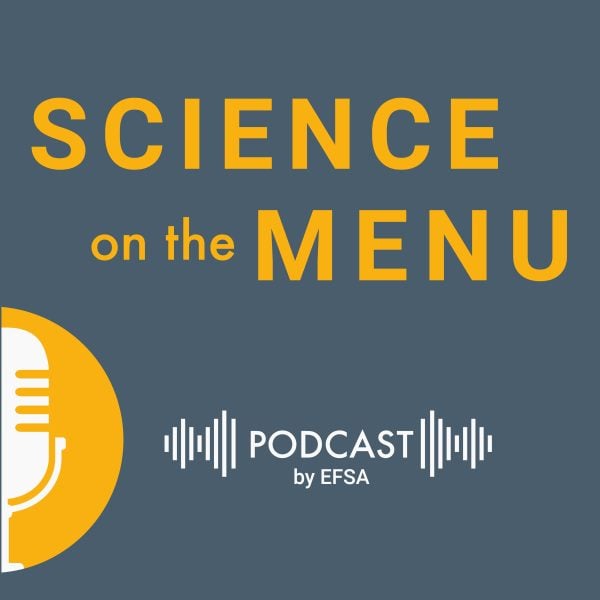
Science on the Menu: A Food Safety Podcast by EFSA
- Folgen
- 46
- Erscheint
- monatlich
- Letzte Folge
- 18. Nov. 2026
Über den Podcast
Is it safe to eat insects? How many cups of coffee can I have per day? How are human, animal and plant health connected? Can we determine animal welfare standards based on scientific evidence? Take a closer look at some of the key topics that EFSA, the European Food Safety Authority, works on to ensure safe food, through providing independent scientific advice to policy makers.
Folgen 46
Episode 45 – A bug’s life: How pesticides affect wildlife
Bees, fireflies, lady birds, praying mantises and countless other creatures help keep nature in balance. But many are under pressure, and pesticides are one part of the story. In this episode, we look at how …
Shownotes
Bees, fireflies, lady birds, praying mantises and countless other creatures help keep nature in balance. But many are under pressure, and pesticides are one part of the story. In this episode, we look at how pesticides affect wildlife, from pollinators and soil organisms to birds and aquatic life. Together with EFSA expert Laura Villamar-Bouza, we explore how the environmental risks of pesticides are assessed, why biodiversity matters for farming, and whether new approaches could help protect both food production and the natural world. And along the way, we get up close and personal with a small, green and rather spiky guest!
Episode 44 – Forever chemicals: what are the health risks of PFAS?
Forever chemicals are everywhere – but how worried should we be about them? In this episode, we look at the health risks from PFAS, a large group of chemicals used in everyday products, from non-stick cookware …
Shownotes
Forever chemicals are everywhere – but how worried should we be about them? In this episode, we look at the health risks from PFAS, a large group of chemicals used in everyday products, from non-stick cookware to waterproof clothing and food packaging. Together with EFSA expert Hans Steinkellner, we explore why these substances persist in the environment, how they can end up in our food, and what science tells us about their effects on human health. We also examine the challenges of studying thousands of PFAS compounds and what is being done to reduce risks and better understand their impact.
Episode 43 – Genetics in the field: how molecular scissors are redefining crops
For millennia, humans have selected and improved plants, helping us grow crops that are more productive, resilient and nutritious. But new genetic tools could completely redefine agriculture once more. In this …
Shownotes
For millennia, humans have selected and improved plants, helping us grow crops that are more productive, resilient and nutritious. But new genetic tools could completely redefine agriculture once more. In this episode, we explore how today’s breeders use tools like “molecular scissors” to edit plant genes more quickly and precisely than ever before. Together with EFSA expert Tommaso Raffaello, we trace the story behind gene editing, unravel the science and safety of new genomic techniques and discover what these advances could mean for the future of food and farming in Europe.
Episode 42 – Pesticides: the good, the bad and the ugly
Why are pesticides used and could society do without them? In this episode, we trace the story of agriculture, from its origins to modern day. We meet familiar enemies – pests and diseases – and explore how …
Shownotes
Why are pesticides used and could society do without them? In this episode, we trace the story of agriculture, from its origins to modern day. We meet familiar enemies – pests and diseases – and explore how chemicals are used to control them and keep plants healthy. And we look at how traces can end up in our food - and environment - and what it means for our health and wildlife. Together with EFSA expert Tobin Robinson, we discuss the risks, the science, and the alternatives, from traditional methods to new approaches. And we get up close with an example: the ingredients of an organic pesticide used to protect peaches.
Microplastics in food: What we (don’t) know
Microplastics are everywhere, from the oceans to our food, but what do we really know about their impact on our health? In this episode, we take a closer look at where microplastics come from, how they end up …
Shownotes
Microplastics are everywhere, from the oceans to our food, but what do we really know about their impact on our health? In this episode, we take a closer look at where microplastics come from, how they end up in food and drinking water, and what happens to them once they enter our bodies. Together with EFSA expert Elena Rovesti, we explore what science can already tell us, why so many uncertainties remain, and what research is under way to better understand the risks linked to microplastics in food.
Science communication: Taking misinformation off the menu
Science doesn’t end when the research is done. In this episode, we explore why how we talk about science matters just as much as the science itself. From food safety scares and fake news to insects …
Shownotes
Science doesn’t end when the research is done. In this episode, we explore why how we talk about science matters just as much as the science itself. From food safety scares and fake news to insects, microplastics and AI, we look at how trust, transparency and audience awareness shape effective science communication. Joined by Barbara Gallani, EFSA’s Head of Communication and Partnerships, we discuss how to translate scientific evidence for different audiences, why perceptions matter, and how clear, coordinated communication helps people make sense of complex food safety issues.
EU career boost: EFSA is looking for you
How do young professionals from across the globe get a job at one of the world's leading food safety bodies? How did they turn challenges into opportunities for learning new skills and building lasting …
Shownotes
How do young professionals from across the globe get a job at one of the world's leading food safety bodies? How did they turn challenges into opportunities for learning new skills and building lasting friendships? In this episode, we meet Simone, Santiago and Aeris — trainees in science, strategy and communication — who share their stories and tips for thriving in Italy’s food valley. Plus, hear from a former trainee about how EFSA shaped their career. Join us for a behind-the-scenes look at the traineeship experience and the vibrant community that powers EFSA!
Up to speed: How food risk assessment is changing
Keeping pace with change is a challenge for risk assessors. How are they innovating? How can they speed up their work? On this episode, we get a unique insight from Nik Kriz, head of the EU’s food safety …
Shownotes
Keeping pace with change is a challenge for risk assessors. How are they innovating? How can they speed up their work? On this episode, we get a unique insight from Nik Kriz, head of the EU’s food safety agency. We hear his views on the EU’s food system, trust in science and how the top EU food assessor intends to stay relevant in an increasingly noisy and confusing world. From vet to science manager, we discover his professional journey and what leading an international organisation looks like. Join us for a view from the top!
No secret sauce: a recipe for transparent science
Access to documents is a crucial ingredient of open science. But how do lawyers assess what requires protecting and what to release? When do the courts intervene? In this episode, we explore how the law plays a …
Shownotes
Access to documents is a crucial ingredient of open science. But how do lawyers assess what requires protecting and what to release? When do the courts intervene? In this episode, we explore how the law plays a fundamental role in our daily meals. We look at how the independence of scientists is evaluated and cases where intellectual property rights may be overridden. And we investigate how artificial intelligence is shaking up current legal frameworks. Join us as we digest the law behind your menu.
Nice to m-eat you: what are alternative proteins?
Legumes, mealworm powder and duck cell biomass produced in a lab may seem worlds apart but they all feature in conversations about how our food system is evolving. We look at why so-called alternative proteins …
Shownotes
Legumes, mealworm powder and duck cell biomass produced in a lab may seem worlds apart but they all feature in conversations about how our food system is evolving. We look at why so-called alternative proteins are getting so much interest across the world and why their future is such a hot topic. Together with our guest Ermolaos Ververis we discuss how their safety is assessed and bust some common myths along the way. Join us as we explore how food innovation is shaping our protein choices.
Bean there, cooked that: are raw legumes safe?
How we prepare our food influences its taste, aroma and appearance, but most importantly its safety. This is especially true for legumes such as beans and lentils, which contain substances called lectins that …
Shownotes
How we prepare our food influences its taste, aroma and appearance, but most importantly its safety. This is especially true for legumes such as beans and lentils, which contain substances called lectins that can be harmful to humans. Which type of lectins are the most damaging, and what can we learn from our ancestors when it comes to preparing traditional recipes safely? Join us as we explore safe preparation and cooking techniques that will help you enjoy nutritious legumes with confidence.
Cost, origin, taste: what influences our food choices?
What’s most important to you when you buy food? Is it how much it costs, how it tastes, where it comes from or something else? In this episode, we’re exploring the results of our latest Eurobarometer survey …
Shownotes
What’s most important to you when you buy food? Is it how much it costs, how it tastes, where it comes from or something else? In this episode, we’re exploring the results of our latest Eurobarometer survey, how the survey is conducted and what it tells us about our food choices. We’ll look at where we get our information about food and whether concerns over food safety vary across Europe. …Exposure matters: why the dose makes the poison
Apple seeds contain cyanide, a deadly poison. And yet, eating an apple will not kill you. In fact, it’s considered a healthy snack! That’s because it’s not just about what’s toxic but how much of it you are …
Shownotes
Apple seeds contain cyanide, a deadly poison. And yet, eating an apple will not kill you. In fact, it’s considered a healthy snack! That’s because it’s not just about what’s toxic but how much of it you are exposed to. In this episode, we take a closer look at the differences between hazards and risks and what that means for dangers that may be lurking in our food and drinks. …Data vs stereotypes: what Europeans eat
What do Europeans eat? On this episode, we’re talking food consumption data – how it is collected, what it shows and why it’s so important. Come explore with us why good data is crucial for shaping nutrition …
Shownotes
What do Europeans eat? On this episode, we’re talking food consumption data – how it is collected, what it shows and why it’s so important. Come explore with us why good data is crucial for shaping nutrition policies and keeping food safe. We’ll put some stereotypes to the test - is it true that Italians eat the most pasta? And who eats the most chocolate? And we’ll hear why the future of food data collection could involve AI monitoring chips on our teeth! Tune in and dive into a fascinating world of numbers that keep us healthy.
Sizzling summers: BBQ safety served hot
Barbecues have been popular for centuries. Traditions vary around the world, but shared enjoyment of slow-cooked food is universal. Whether you prefer to cook over charcoal, woodchip, gas or an electric grill …
Shownotes
Barbecues have been popular for centuries. Traditions vary around the world, but shared enjoyment of slow-cooked food is universal. Whether you prefer to cook over charcoal, woodchip, gas or an electric grill, food safety remains critical. In this episode, we look at how the safety of our BBQ equipment is assessed and tips for staying safe when grilling. We also discuss our favourite BBQ recipes along the way! Join us as we explore the magic of safe barbecue. Your opinion matters! …Food supplements: to add or not to add?
What are food supplements and do we need them? From sprays and soluble vitamins to fortified foods, we explore different ways to supplement our diets and the importance of sticking to recommended doses. Tune in …
Shownotes
What are food supplements and do we need them? From sprays and soluble vitamins to fortified foods, we explore different ways to supplement our diets and the importance of sticking to recommended doses. Tune in to find out what supplements can and cannot do, and how their safety is assessed to help you make informed choices. Your opinion matters! Please take this brief survey to share your thoughts on our podcast.Science in action: the people behind food safety
What do regulatory scientists do every day? Where are their lab coats? As we celebrate World Food Safety Day on June 7 and this year’s theme of Science in Action, we’re hearing from the scientists who help keep …
Shownotes
What do regulatory scientists do every day? Where are their lab coats? As we celebrate World Food Safety Day on June 7 and this year’s theme of Science in Action, we’re hearing from the scientists who help keep food safe. Come join us as we surprise them at their desks to see what they’re working on. We’ll explore whether regulatory science can keep pace with new research and innovation, and we’ll investigate the new frontiers of food science to find out what lies ahead! …Egg-stra special: spring food traditions
With the arrival of spring comes another episode celebrating festive foods! This time, we are diving into one of the most widely consumed products across Europe – eggs. Whether decorative, chocolate, or boiled …
Shownotes
With the arrival of spring comes another episode celebrating festive foods! This time, we are diving into one of the most widely consumed products across Europe – eggs. Whether decorative, chocolate, or boiled, eggs play a central role in many springtime celebrations. Curious about how to dye an egg? Or how to win at a game of egg tapping? Join us as we explore these traditions and share tips on storing and enjoying eggs safely. Your opinion matters! …Never mind the buzzkill: How mosquitoes spread disease
Tiny killers. Mosquitoes are the most dangerous creatures on our planet. Millions of humans and animals die each year from diseases spread by mosquitoes and other insects. How do they spread these diseases? And …
Shownotes
Tiny killers. Mosquitoes are the most dangerous creatures on our planet. Millions of humans and animals die each year from diseases spread by mosquitoes and other insects. How do they spread these diseases? And how does climate change affect the trend? Join us as we explore the lives of some of the planet’s least popular insects and learn what we can all do to protect ourselves from bites. We also look at ways health authorities are working to combat these vector-borne diseases. …Women in science: In their words
What is the reality of being a female scientist in Europe? In celebration of the International Day of Girls and Women in Science on 11 February, we’re exploring women in science. How far have we come in …
Shownotes
What is the reality of being a female scientist in Europe? In celebration of the International Day of Girls and Women in Science on 11 February, we’re exploring women in science. How far have we come in ensuring women’s voices are the norm in science? What does the journey toward greater female representation look like from the perspective of someone living it every day? …Riding the wave: How shifting oceans shape our food
Oceans have long captivated our imagination. Think of swashbuckling pirates or bold explorers seeking far off lands. Today the oceans represent a new frontier. Beneath the seafloor lie precious minerals that …
Shownotes
Oceans have long captivated our imagination. Think of swashbuckling pirates or bold explorers seeking far off lands. Today the oceans represent a new frontier. Beneath the seafloor lie precious minerals that could drive technological innovation. Ocean aquaculture could address sustainability issues from farming on land. Climate change is opening new sea routes for trade. But what are the risks for food safety? How could changing uses of the oceans affect our food supply? …Festive foods: What’s behind the traditions?
Food is always a key part of the festivals we celebrate at the end of the year. But what’s the meaning behind the traditions we attach to them? What foods are thought to bring wealth and good fortune? Why are …
Shownotes
Food is always a key part of the festivals we celebrate at the end of the year. But what’s the meaning behind the traditions we attach to them? What foods are thought to bring wealth and good fortune? Why are some foods avoided? Join us as we journey through different countries and their culinary traditions. Listen in for some curious facts and even a few red herrings. You’ll also gather food safety tips along the way! Your opinion matters! …Food additives: Can I have your E number?
We’ve been looking for ways to preserve food for millennia. Salt helped many civilisations develop. We pickled food in vinegar and stored fruit in honey. But for what purpose are food additives used today? And …
Shownotes
We’ve been looking for ways to preserve food for millennia. Salt helped many civilisations develop. We pickled food in vinegar and stored fruit in honey. But for what purpose are food additives used today? And how did the emergence of supermarkets change this? What about health risks? Join us as we take some foods off the shelves to investigate! Listen out for tips on maintaining a healthy diet and how to decipher what’s on your food labels. Your opinion matters! …Fighting Xylella, the silent plant killer
Olive trees are an iconic feature of the landscape and cultural heritage in southern Italy. But a deadly bacterium, Xylella fastidiosa, has left parts of the Apulia region looking like a wasteland. Is there any …
Shownotes
Olive trees are an iconic feature of the landscape and cultural heritage in southern Italy. But a deadly bacterium, Xylella fastidiosa, has left parts of the Apulia region looking like a wasteland. Is there any hope? Millions of trees are dead, and the bacterium threatens to spread further north, to other plant species too. What’s being done to stop its spread? What lessons can we learn? …Purrfect nutrition: What's on our animals' menus?
We love our pets. But how well do we understand their diets? What role do additives play in their feed? From improving animal nutrition and welfare, to boosting production on farms, to changing an animal’s …
Shownotes
We love our pets. But how well do we understand their diets? What role do additives play in their feed? From improving animal nutrition and welfare, to boosting production on farms, to changing an animal’s appearance, feed additives have a huge range of uses and are a fascinating element of our animal’s diets. They even provide hope in the fight against climate change by reducing greenhouse gas emissions from livestock. Come explore with us what’s on our animal’s menus and why this matters! …Fowl threat: is avian flu going viral?
Avian flu has decimated poultry and wild birds around the globe in recent years. The virus has now spread extensively among mammals, affecting more than 50 species from cats to sea lions. The disease was …
Shownotes
Avian flu has decimated poultry and wild birds around the globe in recent years. The virus has now spread extensively among mammals, affecting more than 50 species from cats to sea lions. The disease was recently discovered in dairy cows in North America and some farm workers were infected, causing widespread alarm. Could this be the next pandemic? Can we stop it spreading? Will vaccination help? Join us as we investigate why avian flu is making headlines and what we can do about it. …Prepared for the unexpected
The EU has one of the safest food systems in the world. But food safety incidents can always happen. If they do, the EU is prepared to react quickly with immediate action. Identifying the source of foodborne …
Shownotes
The EU has one of the safest food systems in the world. But food safety incidents can always happen. If they do, the EU is prepared to react quickly with immediate action. Identifying the source of foodborne disease outbreaks is crucial and national authorities act to ensure consumers are protected. Preparing for the unexpected is the theme of this year’s world food safety day. Join us to learn about the teams in place that respond to food safety incidents and how we stay prepared. …Celiac disease: living without gluten
Over 5 million people in the EU live with celiac disease, a condition for which the only treatment is a gluten-free diet. Why do some people have it? We still don’t fully know. A tool for screening for proteins …
Shownotes
Over 5 million people in the EU live with celiac disease, a condition for which the only treatment is a gluten-free diet. Why do some people have it? We still don’t fully know. A tool for screening for proteins in foods is a new milestone. As we celebrate celiac disease awareness day, join us on this exploration of the gut and how research is shedding new insight into our diets, which could give hope for celiac disease and allergy patients. Your opinion matters! …A life leading on food safety
Food safety has come a long way since the years of numerous crises in the 1990s. The EU established an independent risk assessor at EU level and developed new ways of working. But is the current system enough …
Shownotes
Food safety has come a long way since the years of numerous crises in the 1990s. The EU established an independent risk assessor at EU level and developed new ways of working. But is the current system enough to manage future threats to the health of humans, animals and the environment? Fake news, new technologies, future pandemics – what challenges and opportunities do they bring? Tune in to hear the views of one of the EU's leading figures on food safety. Your opinion matters! …Joining forces for humans, animals, environment: One Health (II)
Our wellbeing depends on the health of animals, plants and our environment. What affects one affects all the others, and increasingly so. A One Health perspective is about joining forces to find integrated …
Shownotes
Our wellbeing depends on the health of animals, plants and our environment. What affects one affects all the others, and increasingly so. A One Health perspective is about joining forces to find integrated solutions to common challenges such as climate change and antibiotic resistance. Join us for part II of o joint podcast episode on One Health with four other EU scientific agencies. …
Hier stehen die neuesten 40 von 46 Folgen. Ältere Folgen findest du im Feed des Podcasts.
Ähnliche Podcasts
Mehr Gesundheit und Fitness-Podcasts




Ist das dein Podcast?
Bestätige es mit einem Eintrag in deinem Feed: Du bekommst hier einen Code, trägst ihn als podcast:txt in den Kanal deines Feeds ein, und wir prüfen ihn. Danach steht dein Podcast als „verifiziert“ bei SoundNode.